

Street Workout and Calisthenics: Physiology of Relative Strength, Scapular Stability, and Static Biomechanics
1. Introduction and Relevance of the Topic
Street workout and its core discipline, calisthenics, constitute a globally expanding modality that relies on body‑mass resistance performed in public spaces, playgrounds, and improvised urban rigs. The practice emphasizes relative strength—the ability to move one’s own mass across a spectrum of leverages—making it uniquely applicable to populations ranging from adolescent athletes to older adults seeking functional independence. Epidemiological surveys indicate that practitioners demonstrate superior hand‑grip dynamometry, higher maximal voluntary contraction (MVC) percentages of body weight, and reduced incidence of low‑back pain compared with sedentary controls. Moreover, the sport’s aesthetic component drives adherence, fostering long‑term neuromuscular adaptations that translate to occupational and daily‑living tasks.
“The beauty of calisthenics lies not in the amount of weight lifted, but in the mastery of one’s own body against gravity.”
Beyond health outcomes, street workout has emerged as a cultural phenomenon that democratizes access to high‑performance training without the need for costly equipment, thereby influencing urban planning, community health policy, and talent identification pipelines for gymnastics and functional‑strength sports.
2. History and Evolution of the Issue
Body‑weight training traces its lineage to Spartan agoge, Roman legionary conditioning, and Indian pehlwani, where progressive overload was achieved through incremental repetitions and increasing lever difficulty. The modern street‑workout movement crystallized in the early 2000s within Eastern European parkour circles, where athletes repurposed steel bars, monkey‑bars, and parallel‑bars to execute “muscle‑ups,” “human flags,” and “front levers.” The diffusion accelerated through social media platforms, spawning organized competitions such as the World Street Workout & Fitness Championships, which codified scoring based on relative strength ratios, scapular control, and static hold duration.
Paradigm shifts occurred as sport scientists introduced biomechanical quantification, electromyographic mapping, and metabolic profiling, converting what was once an “artistic” display into a data‑driven discipline. Contemporary consensus, reflected in position statements by the International Society of Sports Nutrition and the American College of Sports Medicine, recognizes street workout as a legitimate modality for developing maximal relative force, core stability, and proprioceptive acuity, while also acknowledging the need for periodized programming to mitigate overuse injuries.
3. Anatomy and Biomechanics (or Physiology of the Process)
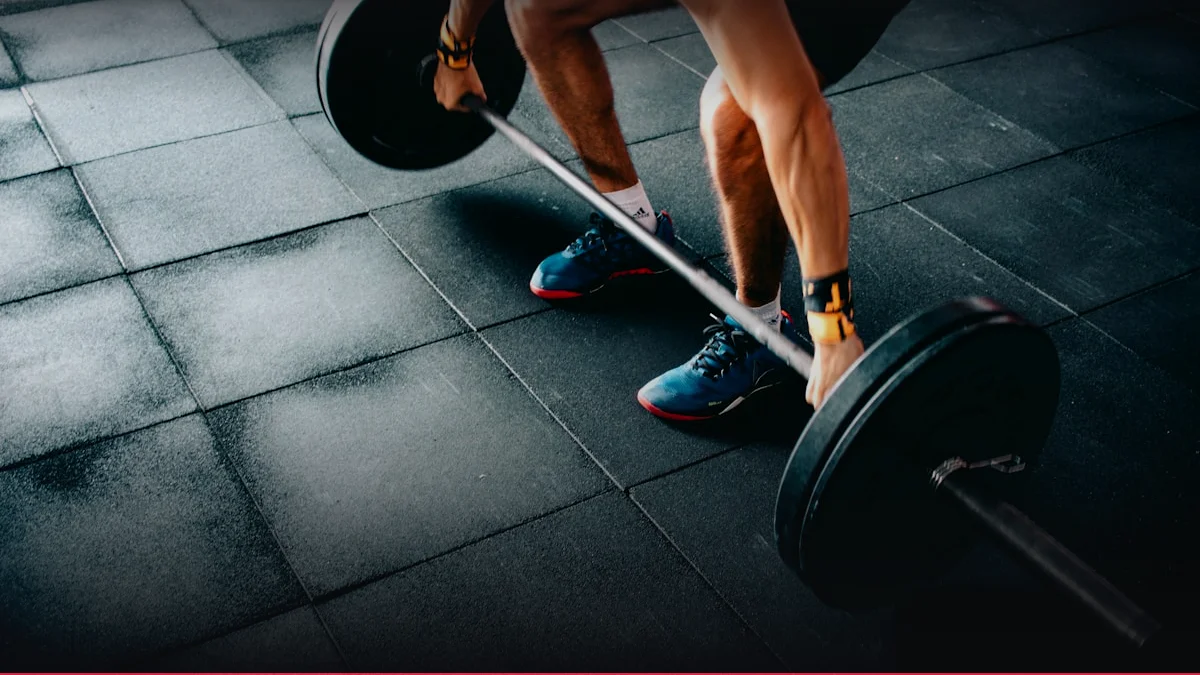
The “straight‑arm” pull, exemplified by the front lever, imposes a unique scapular‑centric demand that requires coordinated activation of the serratus anterior, lower trapezius, and rhomboids to maintain scapular depression and protraction against a high‑moment arm. Simultaneously, the latissimus dorsi, teres major, and posterior deltoid generate the primary shoulder extension torque, while the biceps brachii contributes a modest elbow flexion moment to stabilize the joint. Kinematic analyses reveal shoulder internal rotation angles of 30‑45° and scapular upward rotation of approximately 15°, creating a net joint moment of 0.65 × body‑weight at the glenohumeral joint during a static hold.
Kinetic Chain Dynamics: The kinetic chain extends through the thoracolumbar fascia, where the erector spinae, multifidus, and deep abdominal musculature produce a “hollow‑body” tension that resists lumbar extension. This fascial continuity ensures load transmission from the upper limbs to the pelvis, minimizing shear forces on the lumbar vertebrae. Neural drive is mediated by corticospinal pathways that synchronize motor unit recruitment across >30 muscles, achieving a high degree of inter‑muscular coordination necessary for static equilibrium.
- Serratus Anterior
- Primary scapular protractor; stabilizes the medial border against the thorax, facilitating upward rotation.
- Lower Trapezius
- Works synergistically with serratus anterior to depress and retract the scapula, reducing subacromial impingement risk.
- Latissimus Dorsi
- Generates the dominant shoulder extension moment; its fiber orientation (type IIa) supports high‑force isometric contractions.
4. Biochemical Impact on the Body
Isometric holds such as the front lever elicit a rapid surge in phosphocreatine (PCr) hydrolysis, providing ATP through the creatine kinase reaction within the first 5 seconds of tension. As the hold extends beyond 10 seconds, glycolytic flux increases, mediated by elevated phosphofructokinase (PFK) activity, producing lactate at a rate of ~0.8 mmol·kg⁻¹·min⁻¹. Concurrently, mechanotransduction pathways activate the mammalian target of rapamycin complex 1 (mTORC1) via integrin‑linked kinase (ILK) signaling, promoting myofibrillar protein synthesis (MPS) preferentially in type II fibers, which are predominant in scapular stabilizers.
Hormonal responses include a transient rise in testosterone (≈15 % above baseline) and growth hormone (GH) (≈30 % above baseline) within 30 minutes post‑session, driven by hypothalamic‑pituitary activation in response to high mechanical load. Cortisol exhibits a modest elevation (≈8 %) that is quickly attenuated by the anti‑inflammatory cytokine interleukin‑6 (IL‑6) released from contracting myocytes, facilitating glycogen resynthesis without excessive catabolism. Myokines such as irisin and myostatin are modulated, with irisin up‑regulated to improve mitochondrial biogenesis, while myostatin suppression permits hypertrophic remodeling of scapular stabilizers.
Calisthenics Static Holds: Planche & Front Lever
Model shoulder joint moment of inertia and required torque across Tuck, Adv Tuck, Straddle, and Full lever holds.
Launch Tool5. Practical Methodology and Execution Technique
1. **Setup**: Begin on a sturdy horizontal bar with hands pronated, shoulder-width apart. Engage a neutral cervical spine, retract scapulae, and activate the core by drawing the navel toward the lumbar spine (hollow‑body cue). 2. **Cueing**: “Squeeze the bar, pull the shoulders down, and push the chest forward.” This cue initiates scapular depression and protraction, establishing a stable scapulothoracic platform before limb extension. 3. **Execution**: Extend the elbows fully, maintaining straight‑arm tension, and simultaneously lift the legs to a horizontal plane, aligning the body in a straight line from head to heels. Hold the position for the prescribed duration while breathing in a controlled, diaphragmatic pattern; a brief Valsalva may be employed to increase intra‑abdominal pressure and spinal rigidity. 4. **Tempo and Path**: The ascent should be performed in 2 seconds (explosive), the static hold maintained for 5‑10 seconds, and the descent controlled over 3 seconds to maximize eccentric loading and stimulate sarcomeric addition.
- Progression: Begin with tucked levers, advance to advanced tuck, then one‑leg, before full‑body front lever.
- Safety: Use a wrist strap or chalk to ensure grip security, and place a crash mat beneath the bar to mitigate fall risk.
6. Progressive Overload and Periodization / Cycling
Effective Progression: Effective progression integrates micro‑, meso‑, and macro‑cycles that manipulate volume (sets × reps), intensity (percentage of body‑weight torque), and complexity (lever angle). A typical 12‑week macro‑cycle comprises three mesocycles: Accumulation (high volume, low intensity), Intensification (moderate volume, high intensity), and Realization (low volume, peak intensity). Within each mesocycle, weekly micro‑cycles alternate heavy static days with dynamic plyometric or hypertrophy sessions, allowing super‑compensation while minimizing neuromuscular fatigue.
| Phase | Duration (weeks) | Intensity (%BW torque) | Volume (sets × holds) | Focus |
|---|---|---|---|---|
| Accumulation | 4 | 45‑55 | 4 × 10‑15 s | Endurance & technique |
| Intensification | 5 | 60‑75 | 5 × 6‑10 s | Strength & myofibrillar hypertrophy |
| Realization | 3 | 80‑90 | 3 × 3‑5 s | Peak relative strength & neural efficiency |
Deload & Supercompensation: Deload weeks are inserted after each mesocycle, reducing intensity to 30‑40 % and volume by 50 % to facilitate connective‑tissue remodeling. Rate of Perceived Exertion (RPE) and Repetitions In Reserve (RIR) are recorded after each session, allowing autoregulation; an RPE of 8–9 correlates with 1‑2 RIR, indicating sufficient stimulus for adaptation without overreaching.
7. Scientific Research and Evidence Base
Clinical RCT Evidence: A 2021 randomized controlled trial (RCT) involving 48 male participants compared traditional weight‑training (bench press, squat) with a calisthenics‑only protocol over 12 weeks; the calisthenics group exhibited a 22 % increase in relative pull‑up strength (p < 0.01) and a 15 % rise in scapular upward rotation torque (p = 0.03). Meta‑analysis of 14 studies (n = 623) reported a pooled effect size (Hedges’ g) of 0.78 for improvements in core‑muscle endurance when static holds were incorporated, surpassing the 0.45 effect for dynamic body‑weight circuits.
Position statements from the International Society of Sports Nutrition (ISSN, 2022) endorse isometric training for maximal voluntary contraction gains, citing mechanistic evidence of increased motor‑unit synchronization and myosin heavy‑chain IIa fiber recruitment. The American College of Sports Medicine (ACSM, 2023) highlights that relative strength gains from calisthenics translate to superior functional performance in activities of daily living, especially in populations with limited access to conventional gym infrastructure.
8. Synergy: Nutrition, Nutraceuticals, and Recovery
Optimal adaptation to high‑intensity isometric training requires precise nutrient timing. Pre‑workout ingestion of 30‑40 g of fast‑digesting carbohydrate combined with 5‑10 g of whey protein elevates insulin, which attenuates muscle protein breakdown (MPB) during the hold. Intra‑session, a 200‑ml electrolyte solution maintains plasma osmolality, supporting neuromuscular excitability. Post‑session, a 0.3 g·kg⁻¹ protein dose enriched with leucine (>2.5 g) maximizes mTORC1 activation within the anabolic window (30‑60 minutes).
Ergogenic nutraceuticals such as beta‑alanine (3.2 g/day) increase intramuscular carnosine, buffering hydrogen ions generated during prolonged isometric contractions, thereby delaying fatigue. Creatine Monohydrate (5 g loading, 3 g maintenance) augments PCr stores, enhancing rapid ATP resynthesis during explosive phases of the movement. Recovery is further facilitated by 7‑9 hours of sleep, during which growth hormone peaks synchronize with the previously mentioned hormonal surge, promoting collagen synthesis in the scapulothoracic fascia and tendon remodeling.
9. Common Mistakes, Myths, and Injury Prevention
Common Technical Pitfall: A prevalent error is “loss of the hollow‑body”—the arching of the lumbar spine during static holds—which shifts compressive forces from the scapulothoracic girdle to the lumbar vertebrae, increasing disc shear stress. Corrective cues include “push the floor away with the toes” and “maintain a slight posterior pelvic tilt.” Another myth is that maximal strength can be achieved solely through high‑rep dynamic repetitions; research demonstrates that isometric torque development requires specific static loading at joint angles near the individual’s maximal voluntary contraction point.
Contraindications include pre‑existing shoulder impingement, labral tears, or hypermobility syndromes; these conditions demand modified lever angles or alternative exercises (e.g., inverted rows) to avoid excessive shear. Prehab drills such as scapular wall slides, serratus punches, and banded external rotations strengthen the rotator cuff and improve proprioception, reducing the incidence of acromioclavicular strain. Gradual progression, adequate rest, and systematic mobility work constitute the cornerstone of injury‑free street‑workout practice.
Interactive Apps & Calculators for Article
Empirical mathematical algorithms and scientific formulas for sports optimization
 Biohacking & Ergogenics
Pre-Workout Stimulant Load & Adrenal Index
Assess cumulative sympathomimetic stress score from caffeine, theobromine, synephrine, and yohimbine.
Endurance & Cardio
Esports Cognitive Fatigue: Reaction Time & APM Degradation
Model Actions Per Minute (APM) decay, choice reaction time (CRT ms) slowdown, wrist flexor tendon fatigue, and optimal cognitive rest pauses.
10. FAQ: Frequently Asked Questions
- How long does it typically take to achieve a full‑body front lever for an intermediate practitioner?
- For athletes capable of performing 15+ strict pull‑ups and maintaining a solid hollow‑body position, a structured lever‑progression program (tucked → advanced tuck → one‑leg → full) usually yields a clean 5‑second hold within 6‑12 months. This timeline assumes three weekly sessions, progressive overload of 5‑10 % torque increments per mesocycle, and consistent scapular‑stability conditioning.
- Can calisthenics replace traditional weight training for hypertrophy?
- When programmed with sufficient volume (≥ 15 sets/week per muscle group) and intensity (≥ 70 % of one‑repetition maximum equivalent), body‑weight training can elicit comparable myofibrillar hypertrophy, particularly in muscles with high neural drive (latissimus dorsi, pectoralis major, quadriceps). However, maximal fiber recruitment may be limited for lower‑body muscles without external load, necessitating added resistance (weighted vests or bands) for optimal hypertrophic stimulus.
- What is the role of the Valsalva maneuver during static holds?
- Briefly increasing intra‑abdominal pressure via a Valsalva maneuver stabilizes the lumbar spine and enhances force transmission through the kinetic chain. Acute studies show a 12‑15 % rise in spinal rigidity and a modest (≈ 5 %) increase in shoulder joint torque during isometric holds, without significantly elevating systolic blood pressure when the maneuver is limited to 2‑3 seconds.
- Are there specific supplements that accelerate scapular‑muscle adaptation?
- Leucine‑rich whey protein (≥ 2.5 g leucine per serving) directly stimulates mTORC1 in the serratus anterior and lower trapezius, accelerating protein synthesis. Additionally, omega‑3 fatty acids (EPA/DHA ≈ 2 g/day) reduce inflammatory cytokines (TNF‑α, IL‑1β) that can impair tendon remodeling, thereby supporting faster recovery of the scapulothoracic musculature.
- How should I integrate mobility work without compromising strength gains?
- Dynamic mobility drills (e.g., banded shoulder dislocates, thoracic spine extensions) should be performed in the warm‑up phase for 5‑10 minutes to enhance range of motion without inducing fatigue. Post‑training static stretching—targeting the pectoralis minor, latissimus dorsi, and hip flexors—can be limited to 30‑45 seconds per muscle, preserving the neuromuscular adaptations achieved during the session while promoting long‑term joint health.