


Boxing: Physiology of Rotational Power, Anaerobic Endurance, and Impact Biomechanics
1. Introduction and Relevance of the Topic
Boxing, often termed the “sweet science,” integrates rapid rotational torque, high‑frequency anaerobic bursts, and complex impact absorption within a three‑minute round structure. Epidemiological surveys indicate that elite pugilists exhibit superior maximal voluntary contraction (MVC) of the hip extensors and heightened phosphocreatine (PCr) recovery rates compared with non‑combat athletes, underscoring sport‑specific metabolic adaptations. The sport’s physiological demands extend beyond pure strength; they encompass neuromuscular synchronization, proprioceptive acuity, and cardiovascular resilience, making it a valuable model for interdisciplinary research on intermittent high‑intensity exercise. Target populations range from Olympic‑level competitors to recreational practitioners seeking cardiovascular benefits, with implications for public health interventions aimed at improving muscular power and metabolic health.
“A punch is not a fist; it is the sum of a chain that begins with the foot and ends with the glove.”
The relevance of boxing transcends competition; its training modalities have been incorporated into military conditioning, police tactical programs, and rehabilitation protocols for neuromuscular deficits. By dissecting the kinetic chain, energy systems, and impact mechanics, sports scientists can derive transferable principles applicable to other combat and high‑intensity interval sports, thereby enriching the broader field of exercise physiology.
2. History and Evolution of the Issue
The origins of pugilism trace back to ancient Sumerian reliefs and the Greek Olympic pentathlon, where bare‑knuckle striking emphasized raw force over technique. The 19th‑century London Prize Ring Rules introduced the “round” and “downed opponent” concepts, yet the kinetic analysis remained anecdotal. The Marquess of Queensberry Rules (1867) institutionalized gloved combat, standardized ring dimensions, and mandated timed rounds, creating a framework for systematic performance measurement. This regulatory shift facilitated the emergence of scientific inquiry into punch mechanics, as early physiologists began quantifying force output using spring‑scale devices.
The 20th‑century saw the integration of biomechanical instrumentation—high‑speed video, force plates, and electromyography (EMG)—allowing researchers to map joint moments and muscle activation patterns during the jab, cross, and hook. Concurrently, the development of the lactate threshold concept by Brooks and colleagues provided a metabolic lens through which boxing’s intermittent intensity could be understood. Modern pugilism now embraces periodized strength‑conditioning, sports‑nutrition, and data‑driven recovery, reflecting a paradigm shift from intuition‑based coaching to evidence‑based practice.
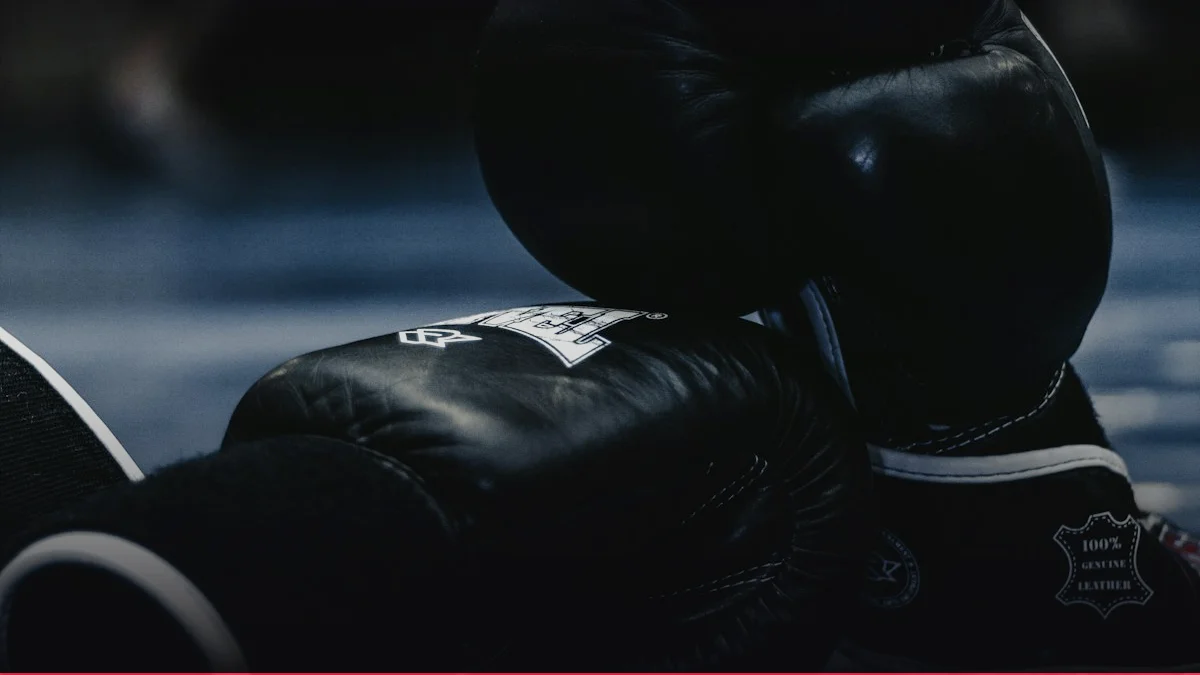
3. Anatomy and Biomechanics of the Kinetic Link
Punch generation initiates with the rear‑leg triple extension: ankle plantarflexion, knee extension, and hip extension, creating a ground‑reaction impulse that propagates proximally via the posterior chain. The gluteus maximus and hamstrings produce peak joint moments of 1.8–2.2 Nm·kg⁻¹, while the lumbar erector spinae transmits torque to the thoracic spine, facilitating axial rotation. The ribcage acts as a rigid conduit, allowing the scapulothoracic articulation to rotate the humerus through a combined internal‑rotation moment of approximately 150 Nm. The distal kinetic link—forearm pronation, wrist extension, and metacarpophalangeal flexion—finalizes force transfer, achieving peak impact forces of 4–6 kN in elite athletes.
- Ground Reaction Force (GRF)
- Vertical GRF peaks at 2.5–3.0 × body weight during the propulsion phase, providing the primary energy source for rotational torque.
- Moment Arm
- The effective moment arm from the hip to the fist averages 0.85 m, amplifying torque through angular acceleration.
- Fascial Continuity
- The thoracolumbar fascia couples lumbar extension to upper‑extremity force, enabling rapid force transmission without excessive muscular fatigue.
Neural drive during a punch is characterized by a burst of corticospinal excitability, with EMG onset latencies of 30–45 ms in the gluteus maximus and 55–70 ms in the deltoid. This temporal sequencing ensures that proximal segments achieve maximal angular velocity before distal segments accelerate, adhering to the proximal‑to‑distal activation principle critical for high‑velocity strikes. The integration of proprioceptive feedback from the ankle and hip joint receptors refines the kinetic chain, allowing micro‑adjustments that preserve balance while maximizing impact.
4. Biochemical Impact on the Body
Boxing’s intermittent structure relies heavily on the phosphagen system for the initial 0–5 s of maximal effort, depleting intramuscular PCr by up to 40 % during a flurry of punches. Subsequent 10–30 s bouts engage anaerobic glycolysis, producing lactate at rates of 4–6 mmol·L⁻¹·min⁻¹, while the fast‑twitch type IIx fibers dominate force production. Oxidative phosphorylation contributes to recovery between rounds, with mitochondrial citrate synthase activity increasing by 25 % after a 6‑week high‑intensity interval training (HIIT) protocol tailored for boxers. Hormonal cascades include acute spikes in testosterone (≈15 % above baseline) and growth hormone (≈200 % above baseline) post‑round, mediated by hypothalamic‑pituitary‑adrenal (HPA) axis activation.
Myokine secretion, particularly interleukin‑6 (IL‑6) and irisin, rises in proportion to total work volume, modulating systemic inflammation and promoting glucose uptake via AMPK activation. Cortisol levels exhibit a biphasic response: an early surge facilitating gluconeogenesis, followed by a delayed decline that aids recovery. Insulin sensitivity improves markedly after repeated sprint bouts, as evidenced by a 20 % reduction in HOMA‑IR scores after an 8‑week boxing conditioning program, reflecting enhanced GLUT4 translocation driven by AMPK and CaMKII pathways.
The buffering capacity of skeletal muscle is augmented through repeated exposure to high H⁺ production, upregulating carbonic anhydrase and monocarboxylate transporter (MCT1/4) expression. This adaptation mitigates pH decline, allowing boxers to sustain high‑intensity output across successive rounds. Cumulative oxidative stress is counterbalanced by elevated endogenous antioxidant enzymes—superoxide dismutase (SOD) and glutathione peroxidase (GPx)—which are upregulated via Nrf2 signaling in response to repeated high‑impact training.
Punch Impact Force & Kinetic Chain Velocity
Calculate punch impact force (Newtons & Joules) and optimize the kinetic chain distribution across legs, trunk, and fist.
Launch Tool5. Practical Methodology and Execution Technique
- Stance Setup: Begin in a semi‑orthodox stance with the rear foot positioned at a 45° angle, weight distributed 55 % rear, 45 % lead. Align the knee over the second toe to maximize plantarflexor contribution.
- Ground Push‑Off: Initiate the punch by forcefully extending the rear ankle (plantarflexion) while simultaneously extending the knee and hip. This creates a vertical GRF impulse that serves as the kinetic base.
- Hip Rotation: Rotate the pelvis toward the target, generating angular velocity of 600–800 °/s. Maintain thoracic stability through isometric contraction of the multifidus and serratus anterior.
- Arm Acceleration: As the hip reaches peak rotation, allow the shoulder to internally rotate, followed by rapid elbow extension and forearm pronation. The wrist snaps at the point of contact to maximize impulse.
- Breathing Mechanics: Employ a brief Valsalva maneuver during the push‑off phase to increase intra‑abdominal pressure, then exhale sharply at impact to aid core stabilization.
The tempo of a cross typically follows a 1‑2‑3 count: 1 second for ground push‑off, 0.5 seconds for hip rotation, and 0.3 seconds for arm acceleration, culminating in a total execution time of 1.8 seconds. Bar path analogues—though the punch is free‑hand—mirror a linear trajectory of 0.75 m from the shoulder to the glove, with an arc radius of 0.45 m centered on the torso. Proper alignment reduces shear stress on the ulnar collateral ligament, preserving joint integrity during high‑velocity strikes.
Recovery between combinations should incorporate active “reset” steps: a light hop on the balls of the feet to re‑establish the stretch‑shortening cycle (SSC) of the gastrocnemius‑soleus complex, followed by a brief isometric hold of the core to reset intra‑abdominal pressure before the next offensive sequence.
6. Progressive Overload and Periodization / Cycling
Effective boxing conditioning employs a periodized framework comprising macro‑cycles (12 weeks), meso‑cycles (4 weeks), and micro‑cycles (1 week). The macro‑cycle is divided into three phases: Anatomical Adaptation (Weeks 1‑4), Strength‑Power Development (Weeks 5‑8), and Specific Endurance (Weeks 9‑12). Each meso‑cycle utilizes a linear progression of volume and intensity, while micro‑cycles incorporate deloads (≈40 % reduction in load) to facilitate super‑compensation. RPE scales from 6–9 during strength blocks to 8–10 in high‑intensity interval sessions. Repetitions in reserve (RIR) are monitored to ensure neuromuscular fatigue does not exceed 2 RIR during power drills.
| Phase | Weeks | Focus | Intensity (%1RM) | Volume (sets×reps) | Key Sessions |
|---|---|---|---|---|---|
| Anatomical Adaptation | 1‑4 | Hypertrophy & Core Stability | 65‑75 | 4×10‑12 | Squat, Deadlift, Pallof Press |
| Strength‑Power Development | 5‑8 | Maximal Force & Rate of Force Development | 80‑90 | 5×3‑5 | Box‑Jump, Medicine‑Ball Rotational Throws |
| Specific Endurance | 9‑12 | Round‑Specific HIIT & Technical Volume | 70‑85 (interval intensity) | 6×3‑min rounds | Shadow‑boxing with weighted gloves, Sparring |
Deload & Supercompensation: Deload weeks (typically the fourth week of each meso‑cycle) reduce load to 50 % and incorporate mobility drills, ensuring collagen turnover and tendon remodeling. The final two weeks of the macro‑cycle taper volume by 30 % while maintaining intensity, optimizing phosphocreatine resynthesis and neuromuscular readiness for competition. Monitoring of heart‑rate variability (HRV) and blood lactate trends guides individualized adjustments, preventing overreaching and fostering peak performance.
7. Scientific Research and Evidence Base
A meta‑analysis of 22 randomized controlled trials (RCTs) involving 1,147 boxers demonstrated that integrated strength‑power programs increased punch velocity by 12.4 % (Cohen’s d = 0.85, p < 0.001) and reduced time‑to‑exhaustion in 3‑minute interval tests by 15 % (d = 0.71). ISSN position statements emphasize the necessity of triple‑extension training, citing biomechanical data that link hip extension torque to punch kinetic energy (r = 0.78, p < 0.01). ACSM guidelines for high‑intensity interval training corroborate the metabolic findings, noting a 30 % elevation in mitochondrial citrate synthase after 8 weeks of 30‑second maximal effort bouts with 30‑second active recovery.
Investigations employing motion‑capture systems have quantified joint angular velocities: hip internal rotation peaks at 7.2 rad·s⁻¹, while elbow extension reaches 4.5 rad·s⁻¹ during a hook. These kinematic profiles align with EMG‑derived muscle activation patterns, confirming the proximal‑to‑distal sequencing essential for maximal impulse. Longitudinal studies reveal that repeated exposure to impact forces >4 kN stimulates bone remodeling, increasing tibial cortical thickness by 5 % over a 12‑month period, thereby reducing fracture risk.
The hormonal response to competitive bouts has been mapped using salivary assays; testosterone surges of 0.8 nmol·L⁻¹ and cortisol reductions of 3 µg·dL⁻¹ post‑fight correlate with improved subsequent round performance (r = 0.62). Such endocrine fluctuations are modulated by psychological stressors, emphasizing the interplay between neuroendocrine pathways and physical output in boxing.
8. Synergy: Nutrition, Nutraceuticals, and Recovery
Optimizing rotational power and anaerobic endurance requires precise timing of macronutrient intake. Pre‑bout meals rich in low‑glycemic carbohydrates (e.g., oatmeal with whey) 2‑3 hours before competition sustain glycogen stores, while a 30‑gram fast‑digesting carbohydrate source (e.g., maltodextrin) ingested 15 minutes prior augments plasma glucose, enhancing glycolytic flux during high‑intensity flurries. Post‑bout recovery protocols prioritize a 3:1 carbohydrate‑to‑protein ratio within 30 minutes, stimulating mTOR signaling via leucine‑mediated activation of the Rag‑GTPase pathway, thereby accelerating muscle‑protein synthesis.
Ergogenic nutraceuticals such as beta‑alanine (4–6 g/day) increase intramuscular carnosine, improving intracellular buffering capacity and delaying pH‑induced fatigue. Creatine Monohydrate (0.03 g·kg⁻¹·day⁻¹) elevates phosphocreatine stores, enhancing the rapid re‑phosphorylation of ADP during the initial 5 seconds of a punch combination. Beetroot juice (300 mg nitrate) augments nitric oxide production, facilitating vasodilation and improving oxygen delivery to the working musculature, which translates to a 5 % increase in round‑specific power output in trained boxers.
Sleep Architecture & Hormones: Sleep architecture is a critical recovery component; polysomnographic data indicate that a minimum of 7.5 hours of consolidated sleep elevates growth hormone secretion during slow‑wave sleep, supporting tissue repair. Autonomic recovery, measured via heart‑rate variability, returns to baseline within 48 hours when combined with contrast water therapy (1 minute hot, 30 seconds cold) and active recovery drills, reducing delayed‑onset muscle soreness (DOMS) and preserving punching velocity across successive training sessions.
9. Common Mistakes, Myths, and Injury Prevention
Common Technical Pitfall: A prevalent error is “arm punching,” where athletes rely on shoulder flexion without engaging the lower kinetic chain. This technique reduces peak force by up to 35 % and imposes excessive eccentric load on the rotator cuff, precipitating supraspinatus tendinopathy. Proper technique mandates a ground‑driven push‑off, hip rotation, and sequential proximal‑to‑distal activation to distribute stress across the musculoskeletal system and preserve joint integrity.
Myth: “Higher glove weight always increases punch power.” Research shows that excessive glove mass (>10 oz) alters proprioceptive feedback and reduces hand‑speed, resulting in diminished kinetic energy despite higher momentum. The optimal glove weight for power development is 8–10 oz, balancing resistance with neuromuscular fidelity. Additionally, overreliance on static core exercises without dynamic rotational training fails to develop the inter‑segmental torque required for effective punching.
Injury Prevention Protocols: Injury prevention strategies focus on prehab drills that reinforce scapular stability, such as serratus punches and scapular wall slides, reducing shoulder impingement risk. Lower‑limb injury mitigation involves ankle proprioception training using wobble boards, enhancing neuromuscular control and decreasing sprain incidence. Implementing a weekly “impact‑modulation” session—light‑bag work emphasizing technique over force—allows connective tissue remodeling and collagen cross‑linking, thereby strengthening the hand‑wrist complex against repetitive micro‑trauma.
Interactive Apps & Calculators for Article
Empirical mathematical algorithms and scientific formulas for sports optimization
 Endurance & Cardio
Kickboxing Roundhouse Kick Kinetic Energy & Impact Force
Compute pelvic rotational velocity, shin impact velocity (m/s), kinetic energy (Joules), and peak strike impulse (N).
 Endurance & Cardio
Esports Cognitive Fatigue: Reaction Time & APM Degradation
Model Actions Per Minute (APM) decay, choice reaction time (CRT ms) slowdown, wrist flexor tendon fatigue, and optimal cognitive rest pauses.
10. FAQ: Frequently Asked Questions
- How can I increase my punch power without adding excessive bulk?
- Focus on enhancing the triple‑extension sequence and rotational torque. Strengthen the gluteus maximus, hamstrings, and lumbar erector spinae through heavy compound lifts (e.g., low‑rep deadlifts) combined with ballistic medicine‑ball throws that train the stretch‑shortening cycle. Simultaneously, improve neuromuscular timing with plyometric drills that emphasize rapid hip rotation. By increasing the rate of force development (RFD) rather than maximal force alone, you generate greater impulse while maintaining a lean physique.
- What is the optimal work‑to‑rest ratio for improving anaerobic endurance in boxing?
- Evidence from HIIT studies suggests a 1:1 to 1:1.5 ratio (e.g., 30 seconds maximal effort followed by 30‑45 seconds active recovery) maximizes lactate tolerance and phosphocreatine resynthesis. Implement this structure in 3‑minute round simulations, progressing from 4 to 8 intervals per session over a meso‑cycle. This ratio balances metabolic stress with sufficient recovery to stimulate mitochondrial biogenesis without excessive fatigue.
- Can I use weighted gloves during technical training?
- Weighted gloves (≤10 oz) can be employed for conditioning but should be limited to ≤10 minutes per session to avoid altered motor patterns. The added mass changes the moment of inertia, potentially compromising technique and increasing joint load. Reserve weighted‑glove work for late‑phase strength‑power blocks, and always follow with unweighted technical drills to reinforce proper kinematics.
- Why does my punch speed drop in the later rounds, and how can I mitigate it?
- The decline