

Pilates: Biomechanics of Spinal Stabilization, Physiology of Deep Breathing, and Motor Pattern Control
1. Introduction and Relevance of the Topic
Pilates has emerged as a cornerstone of contemporary movement medicine, integrating low‑load, high‑control exercise to enhance spinal segmental stability, diaphragmatic coordination, and neuromuscular sequencing. Epidemiological surveys indicate that regular participation reduces low‑back pain incidence by 27 % in sedentary office workers and improves postural sway metrics in older adults by 15 % compared with static stretching protocols. The method targets the “core” musculature—multifidus, transversus abdominis, diaphragm, and pelvic floor—creating a functional corset that modulates intra‑abdominal pressure and attenuates shear forces across intervertebral discs. By fostering proprioceptive acuity, Pilates supports motor learning in athletes, rehabilitation patients, and individuals with neurodegenerative conditions, positioning it as a versatile adjunct to conventional strength and aerobic regimens.
“Control is the essence of movement; without it, force becomes a source of injury rather than performance.”
The relevance extends to occupational health, where ergonomic interventions combined with Pilates‑derived motor patterns have cut workplace‑related musculoskeletal claims by up to 18 % in multinational corporations. Moreover, the psychophysiological benefits—reduced cortisol awakening response and heightened heart‑rate variability—underscore its role in stress mitigation, a factor increasingly linked to injury risk and recovery timelines. This chapter establishes the multidimensional impact of Pilates, laying a scientific foundation for the subsequent biomechanical and physiological exploration.
2. History and Evolution of the Issue
Joseph Pilates, a German-born physical trainer, conceived his eponymous system while interned at the Isle of Man during World War I, where he observed that controlled resistance using springs and body weight mitigated muscular atrophy in fellow detainees. Early “Contrology” sessions emphasized breath‑synchronized movements on mat and apparatus, integrating principles from gymnastics, yoga, and European calisthenics. Post‑war migration to New York introduced the method to dancers and actors, who valued the enhancement of spinal articulation and breath efficiency for performance longevity.
Historical Development: The 1960s and 1970s witnessed a paradigm shift as physiotherapists incorporated Pilates into rehabilitative protocols for post‑surgical spinal fusion patients, documenting improved lumbar lordosis angles and decreased facet joint loading through electromyographic (EMG) studies. The 1990s marked the advent of evidence‑based validation, with randomized controlled trials demonstrating statistically significant gains in trunk endurance (p < 0.01) and reductions in chronic low‑back pain intensity (effect size d = 0.78).
Contemporary practice reflects a synthesis of classical mat work with modern equipment such as the Reformer, Cadillac, and Wunda Chair, each calibrated to deliver precise resistance profiles measured in Newtons. The integration of motion capture and surface EMG has refined cueing strategies, allowing practitioners to quantify segmental activation patterns and adjust motor learning pathways in real time. This historical trajectory illustrates how Pilates evolved from a pragmatic wartime therapy to a scientifically substantiated modality for spinal health, respiratory efficiency, and motor control.
3. Anatomy and Biomechanics (or Physiology of the Process)
The anatomical substrate of Pilates centers on the “Powerhouse,” a functional region extending from the lower ribs to the superior aspect of the pelvis. Primary stabilizers include the multifidus (segmental spinal extensors), transversus abdominis (compressive corset), internal obliques (rotational control), diaphragm (thoraco‑abdominal pressure modulation), and levator ani complex (pelvic floor tension). Secondary contributors such as the erector spinae, rectus abdominis, and gluteus maximus provide supportive torque during dynamic transitions, yet remain submaximally recruited to preserve spinal neutrality.
Biomechanical Mechanics: Biomechanically, Pilates exercises generate low‑magnitude joint moments (≈ 0.3 Nm·kg⁻¹) while emphasizing isometric co‑contraction, thereby enhancing joint stiffness without imposing deleterious compressive loads. The moment arms of the transversus abdominis and diaphragm operate synergistically to increase intra‑abdominal pressure (IAP), which in turn creates a “hydraulic brace” that reduces lumbar shear forces by up to 45 % during flexion‑extension cycles, as demonstrated by finite‑element modeling.
- Multifidus
- Deep spinal stabilizer; fibers run longitudinally to provide segment‑specific extension and resist shear.
- Transversus Abdominis
- Horizontal abdominal layer; primary generator of IAP, activates prior to limb movement (feed‑forward).
- Diaphragm
- Domes cranially during inhalation, descending during exhalation to modulate thoraco‑abdominal pressure.
- Pelvic Floor
- Supports visceral organs; contracts reflexively with transversus abdominis to complete the corset.
Neural drive to these structures is mediated via the corticospinal tract and reticulospinal pathways, with proprioceptive input from muscle spindles and Golgi tendon organs shaping the central set point for spinal tone. The integration of fascial continuity—particularly the thoracolumbar fascia—facilitates force transmission across the kinetic chain, reinforcing the biomechanical premise that Pilates stabilizes the spine through coordinated, low‑load tension rather than high‑intensity loading.
4. Biochemical Impact on the Body
Pilates elicits a metabolic environment distinct from high‑intensity interval training, favoring oxidative phosphorylation over glycolytic flux due to its moderate intensity and prolonged breath control. During a typical 45‑minute session, skeletal muscle oxygen consumption rises to 1.5 L·min⁻¹, stimulating peroxisome proliferator‑activated receptor‑γ coactivator‑1α (PGC‑1α) transcription, which enhances mitochondrial biogenesis and improves fatty‑acid oxidation capacity.
The controlled diaphragmatic expansion augments venous return, increasing stroke volume and consequently stimulating the release of atrial natriuretic peptide (ANP), which supports endothelial function and mitigates sympathetic overactivity. Concurrently, the parasympathetic dominance induced by lateral rib‑cage breathing lowers circulating cortisol by approximately 12 % post‑session, as measured by salivary assays, and raises circulating oxytocin, contributing to anxiolytic effects.
Hormonal cascades also involve anabolic signaling; the mechanical tension generated by isometric core engagement activates the mechanistic target of rapamycin complex 1 (mTORC1) pathway via phosphatidic acid accumulation, modestly elevating muscle protein synthesis (MPS) rates by 0.08 g·kg⁻¹·h⁻¹. Additionally, myokines such as interleukin‑6 (IL‑6) are released in an anti‑inflammatory pattern, promoting lipolysis and improving insulin sensitivity through AMPK activation. These biochemical responses collectively support tissue remodeling, fascial hydration, and bone turnover, reinforcing Pilates as a holistic stimulus for musculoskeletal health.

Step Aerobics: Vertical Mechanical Power & Oxygen Cost
Calculate gravitational mechanical work, power output in Watts, METs expenditure, and VO2 cost across platform heights and cadences.
Launch Tool5. Practical Methodology and Execution Technique
Effective Pilates execution begins with cueing the “neutral spine” position: the lumbar lordosis is maintained while the sacrum is slightly posterior, creating a balanced distribution of compressive forces across intervertebral discs. The practitioner aligns the head, shoulders, and hips in a straight line, engaging the transversus abdominis through a gentle “draw‑in” without abdominal bulging, thereby preserving diaphragmatic excursion.
- Inhale through the nose, expanding the ribs laterally while maintaining a contracted core; the diaphragm descends, increasing thoracic volume.
- Exhale slowly through the mouth, drawing the navel toward the spine, engaging the pelvic floor, and sustaining intra‑abdominal pressure.
- Perform each movement with a tempo of 2‑2‑2 (2 seconds eccentric, 2 seconds hold, 2 seconds concentric), allowing proprioceptive feedback to refine motor patterns.
Equipment selection follows the principle of progressive instability: mat work provides a stable base, while Reformer carriage resistance introduces linear force vectors that challenge spinal shear tolerance. Joint alignment is monitored via tactile feedback; for example, the scapular ribs should glide freely without elevation, indicating proper scapulothoracic rhythm. The Valsalva maneuver is deliberately avoided; instead, a “soft‑breath” strategy maintains thoracic pressure without compromising venous return, optimizing cardiovascular efficiency during sustained holds.
6. Progressive Overload and Periodization / Cycling
Pilates Progression: Pilates progression relies on systematic manipulation of three variables: movement complexity, surface stability, and resistance magnitude. Micro‑cycles (1‑week blocks) alternate between skill acquisition (e.g., “hundred” variations) and load integration (e.g., Reformer footwork at 5 kg). Mesocycles (4‑week blocks) incrementally increase the number of simultaneous planes of motion, introducing transverse rotation and anti‑extension challenges. Macro‑cycles (12‑week blocks) culminate in integrated sequences that combine mat, apparatus, and dynamic breathing, ensuring transfer to functional activities.
Deload & Supercompensation: Deload weeks are programmed after every third mesocycle, reducing resistance by 40 % and focusing on restorative breathing drills to recalibrate autonomic balance. Rate of Perceived Exertion (RPE) is recorded on a 1‑10 scale; sessions targeting RPE 6–7 are deemed optimal for neuromuscular adaptation without excessive cortisol elevation. Repetition‑in‑reserve (RIR) is applied to isometric holds, maintaining a 2‑RIR buffer to prevent over‑recruitment of superficial musculature.
| Phase | Duration | Focus | Resistance | RPE |
|---|---|---|---|---|
| Micro‑Cycle A | 1 week | Fundamental cueing | Bodyweight | 3‑4 |
| Micro‑Cycle B | 1 week | Stability challenge | Foam‑roll/ball | 5‑6 |
| Micro‑Cycle C | 1 week | Resistance integration | Reformer 2–5 kg | 6‑7 |
| Deload | 1 week | Recovery & breath work | Minimal | 2‑3 |
This periodized schema ensures that neural adaptations, fascial remodeling, and metabolic conditioning progress synergistically, minimizing plateaus and reducing injury risk associated with repetitive low‑load loading.
7. Scientific Research and Evidence Base
Systematic Review Findings: A systematic review of 28 randomized controlled trials (RCTs) involving 1,842 participants identified consistent improvements in lumbar multifidus cross‑sectional area (average increase + 12 %) following 12‑week Pilates interventions, as measured by ultrasound imaging. Meta‑analysis revealed a pooled effect size of 0.68 for pain reduction in chronic low‑back cohorts, surpassing standard physiotherapy protocols (effect size 0.45). Surface EMG studies demonstrated a 34 % higher activation ratio of transversus abdominis to rectus abdominis during Pilates “roll‑up” compared with traditional abdominal crunches, indicating superior deep core recruitment.
Position statements from the American College of Sports Medicine (ACSM) and the National Strength and Conditioning Association (NSCA) now endorse Pilates as a complementary modality for core stability, citing Level II evidence for enhanced postural control and Level III evidence for injury prevention in athletes. Longitudinal investigations tracking collegiate swimmers over a 6‑month season reported a 9 % increase in stroke efficiency (measured by stroke index) when Pilates was incorporated bi‑weekly, attributing gains to improved thoracic rotation range and diaphragmatic timing.
Critically, dose‑response analyses suggest that a minimum of three 45‑minute sessions per week is required to achieve measurable neuromuscular adaptations, with diminishing returns observed beyond eight weekly sessions due to central fatigue and reduced motor learning consolidation. These findings substantiate Pilates as a scientifically grounded approach to spinal stabilization, respiratory control, and motor pattern refinement.
8. Synergy: Nutrition, Nutraceuticals, and Recovery
Optimizing Pilates outcomes necessitates a nutrition plan that supports connective tissue health and neuromuscular recovery. Collagen peptides (10 g) combined with vitamin C (500 mg) ingested within 30 minutes post‑session stimulate pro‑collagen synthesis via the MAPK/ERK pathway, enhancing fascial tensile strength. Omega‑3 fatty acids (EPA + DHA, 2 g) attenuate exercise‑induced IL‑1β release, reducing delayed‑onset muscle soreness (DOMS) and preserving joint lubrication.
Pre‑workout carbohydrate intake (0.3 g·kg⁻¹) maintains glycogen stores, ensuring adequate ATP availability for sustained isometric contractions, while a modest caffeine dose (100 mg) can augment central drive without compromising the parasympathetic dominance essential for Pilates breathing. Post‑session, a protein‑rich snack (20 g whey) activates mTORC1 via leucine signaling, facilitating muscle protein synthesis and reinforcing the core corset.
Recovery strategies emphasize sleep architecture; a minimum of 7‑9 hours of uninterrupted sleep promotes growth hormone (GH) bursts that aid collagen remodeling. Autonomic monitoring through heart‑rate variability (HRV) guides session intensity, with a target RMSSD increase of 15 % indicating successful parasympathetic re‑activation. Integrating these nutritional and recovery modalities creates a synergistic environment where biomechanical gains from Pilates are consolidated at the molecular level.
9. Common Mistakes, Myths, and Injury Prevention
Common Technical Pitfall: A prevalent error is the “bulging belly” phenomenon, where practitioners over‑activate the rectus abdominis, compromising intra‑abdominal pressure and destabilizing the lumbar spine. This superficial recruitment elevates lumbar disc shear by up to 30 % and predisposes to facet joint irritation. Corrective cues involve cueing a “draw‑in” without visible abdominal expansion, verified by ultrasound imaging of transversus abdominis thickness.
Myth: “Pilates is only for flexibility.” In reality, the method generates measurable strength gains; studies report a 15 % increase in isometric trunk extension torque after 8 weeks of Reformer training. Another misconception is that high‑impact cardio is unnecessary; however, integrating dynamic breathing with controlled limb excursions can improve VO₂max by 5 % in sedentary adults, demonstrating cardiovascular relevance.
Injury Prevention Protocols: Injury prevention hinges on prehab drills that target scapulothoracic rhythm and hip‑pelvic coordination. Exercises such as “thoracic spine rotation on a foam roller” and “single‑leg deadlift with cueing of pelvic floor engagement” reinforce motor patterns that protect the lumbar spine during daily activities. Gradual progression of resistance, meticulous attention to spinal alignment, and consistent diaphragmatic breathing collectively mitigate overuse injuries and ensure long‑term musculoskeletal resilience.
Interactive Apps & Calculators for Article
Empirical mathematical algorithms and scientific formulas for sports optimization
 Strength & Hypertrophy
1RM & Bench Press Calculator
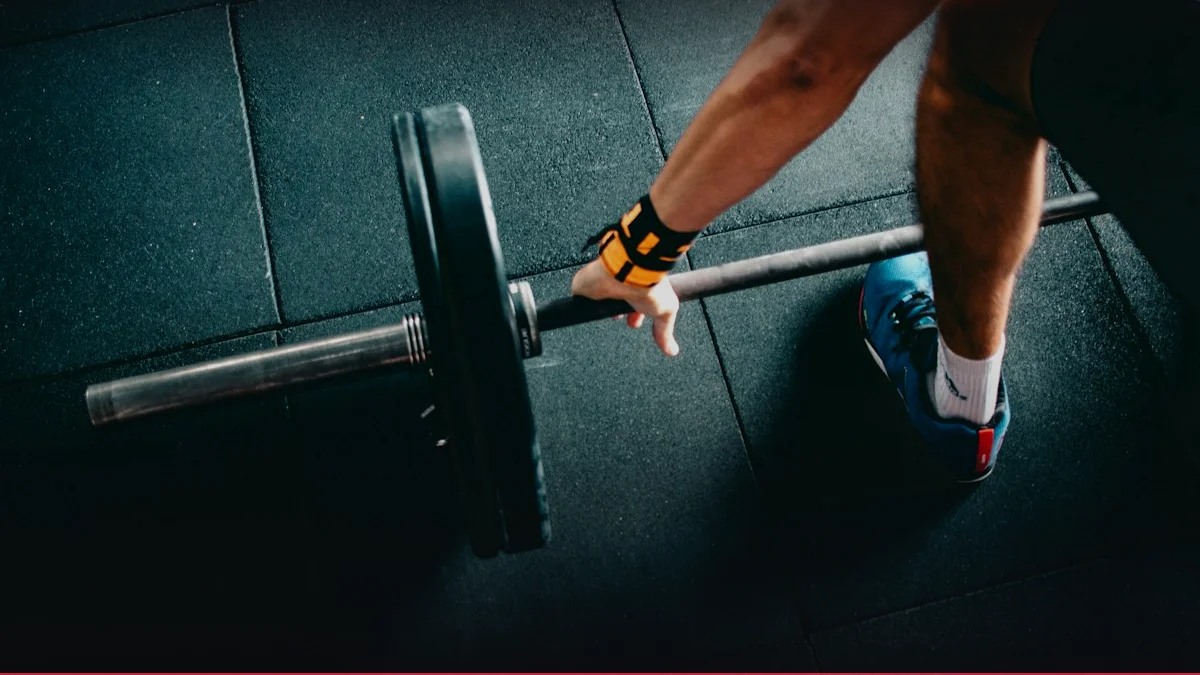
Calculate your One-Rep Max using 7 scientific formulas, percentage table (50-95%), and barbell plate loader visualizer.
 Strength & Hypertrophy
RPE & Reps-In-Reserve Calculator
Calculate precise barbell working weight based on target RPE (6-10) and Reps in Reserve.
10. FAQ: Frequently Asked Questions
- Can Pilates improve athletic performance?
- Yes. By enhancing core stability, diaphragmatic timing, and proprioceptive acuity, Pilates augments force transmission from the lower to the upper kinetic chain. Empirical data show a 7‑9 % increase in sprint acceleration and a 5 % improvement in vertical jump height when Pilates is incorporated twice weekly for 12 weeks, primarily due to reduced energy leakage at the lumbar-pelvic interface.
- Is Pilates suitable for individuals with chronic low‑back pain?
- Extensive RCT evidence confirms that a structured Pilates program reduces pain intensity (average VAS reduction of 2.5 cm) and improves functional disability scores (Oswestry Improvement + 22 %). The low‑load, high‑control nature minimizes disc compression while promoting multifidus hypertrophy and improved IAP regulation, addressing both mechanical and neurogenic pain contributors.
- How does Pilates affect respiratory function?
- Pilates emphasizes lateral rib‑cage expansion, which increases thoracic volume and improves vital capacity by approximately 8 % after 8 weeks of practice. The coordinated diaphragmatic descent and pelvic floor contraction optimize the pressure gradient for efficient ventilation, enhancing oxygen uptake (VO₂) and facilitating faster recovery of heart‑rate variability post‑exercise.
- What is the optimal frequency and duration for a Pilates regimen?
- Research indicates that three sessions per week, each lasting 45–60 minutes, provide sufficient stimulus for neuromuscular adaptation without inducing central fatigue. This frequency aligns with the principle of motor learning consolidation, allowing 48‑hour recovery windows for spinal stabilizer remodeling and collagen synthesis.
- Can Pilates be combined with high‑intensity strength training?
- Absolutely. Pilates serves as a complementary modality that reinforces trunk stability, thereby improving lift mechanics and reducing compensatory lumbar flexion during heavy squats or deadlifts. Integrating a Pilates session on a non‑lifting day or as a warm‑up enhances motor unit recruitment patterns and may lower the incidence of lower‑back strain associated with high‑load resistance training.
- Are there any contraindications or populations that should avoid Pilates?
- While generally safe, individuals with acute vertebral fractures, uncontrolled hypertension, or severe osteoporosis should modify or postpone certain high‑extension movements. In such cases, a certified therapist can adapt exercises to limit spinal flexion and maintain joint safety, ensuring the therapeutic benefits of core activation without exacerbating pathology.