


Pharmaceutical Human Chorionic Gonadotropin: A Comprehensive Analysis of Endocrine Manipulation in Athletic Performance
1. Introduction and Relevance of the Topic
Human Chorionic Gonadotropin (hCG) is a glycoprotein hormone primarily synthesized by the syncytiotrophoblast of the placenta during pregnancy. In the context of sports pharmacology and endocrinology, exogenous hCG administration has become a subject of intense scrutiny due to its capacity to mimic Luteinizing Hormone (LH) signaling. This mimicry is particularly relevant in male athletes who experience hypogonadotropic hypogonadism, a condition often induced by anabolic androgenic steroid (AAS) use. The relevance of hCG in this domain lies in its ability to preserve testicular volume and maintain endogenous testosterone production during supraphysiological androgen exposure. By binding to the LH receptor on Leydig cells, hCG stimulates the enzymatic pathway responsible for steroidogenesis, thereby preventing the severe testicular atrophy and infertility that typically accompany long-term exogenous steroid cycles. This mechanism distinguishes hCG from other supportive compounds, positioning it as a critical tool for endocrine preservation rather than a direct performance enhancer.
The epidemiological significance of hCG usage in the athletic population is complex, reflecting a gray area between medical necessity and performance optimization. While not listed on the World Anti-Doping Agency (WADA) prohibited list as a standalone substance in many contexts, its use is often scrutinized as a method to mitigate the side effects of prohibited substances. In clinical settings, hCG is a standard of care for delayed puberty and Cryptorchidism, but in the realm of bodybuilding and strength sports, it is frequently employed to maintain hormonal homeostasis. The target populations for this analysis include elite strength athletes, physique competitors, and individuals undergoing prolonged anabolic-steroid-induced hypogonadism. Understanding the pharmacokinetics and physiological impacts of hCG is essential for comprehending the broader landscape of performance enhancement and endocrine disruption in modern sports. The debate surrounding its legitimacy centers on whether it constitutes a direct ergogenic aid or a supportive measure for health preservation.
The integration of gonadotropins into athletic protocols represents a sophisticated manipulation of the hypothalamic-pituitary-gonadal axis, offering a window into the delicate balance between exogenous stimulation and endogenous suppression.
The scientific community remains divided on the long-term implications of hCG therapy in non-pregnant males. While short-term benefits in maintaining testosterone levels are well-documented, concerns about desensitization of Leydig cell receptors and potential impacts on spermatogenesis persist. Furthermore, the purity and source of hCG preparations vary, with urinary extracts (Menopur) and recombinant forms (Ovidrel) presenting different immunogenic risks and bioavailability profiles. This article aims to dissect the biochemical, anatomical, and practical aspects of hCG protocols, providing a rigorous examination of its mechanism of action, dosing strategies, and recovery implications. By synthesizing peer-reviewed data and clinical observations, we provide a comprehensive framework for understanding how this hormone interacts with the male reproductive and endocrine systems under the stress of high-intensity athletic training and exogenous androgen exposure.
2. History and Evolution of the Issue
The historical trajectory of hCG discovery begins in the 1910s when Zondek and Aschheim identified a substance in the urine of pregnant women that induced precocious puberty in castrated male infants. This observation laid the groundwork for understanding hCG as a potent gonadotropin. By the 1930s, the hormone was isolated and characterized, revealing its structural similarity to LH. Early clinical applications focused on the treatment of hypogonadism and infertility in men, establishing a medical precedent for its use. However, the crossover into sports pharmacology occurred later, coinciding with the rise of anabolic steroid use in powerlifting and bodybuilding during the 1970s and 1980s. Athletes began experimenting with hCG to counteract the suppressive effects of steroids on their natural testosterone production, marking a shift from purely therapeutic use to performance-adjacent application.
The evolution of hCG protocols has been driven by advances in reproductive endocrinology and the increasing sophistication of AAS cycles. Early users employed high, continuous doses, often leading to significant receptor downregulation and subsequent crashes in testosterone after the hCG was discontinued. Over time, the community shifted towards pulsed dosing strategies, mimicking the natural LH pulse frequency to maintain receptor sensitivity. This paradigm shift was influenced by medical research demonstrating that continuous LH exposure leads to desensitization, whereas intermittent exposure preserves receptor responsiveness. The introduction of recombinant hCG in the late 1990s offered a purer, more predictable alternative to urinary extracts, reducing the risk of anti-body formation and improving dosing accuracy. These technological advancements allowed for more precise control over hormonal responses, enhancing the efficacy of post-cycle therapy (PCT) protocols.
The modern consensus on hCG use reflects a nuanced understanding of its role in endocrine management. Initially viewed with skepticism by mainstream sports medicine, hCG is now recognized as a valuable tool for managing steroid-induced hypogonadism, particularly in cases where long-term natural recovery is compromised. The evolution of this perspective is also influenced by the growing awareness of the metabolic and psychological impacts of low testosterone, including fatigue, depression, and loss of muscle mass. As a result, hCG has become a cornerstone of comprehensive post-cycle recovery strategies, often combined with selective estrogen receptor modulators (SERMs) to optimize hormone balance. This historical progression underscores the dynamic interplay between athletic necessity, medical innovation, and regulatory scrutiny in the field of sports pharmacology.
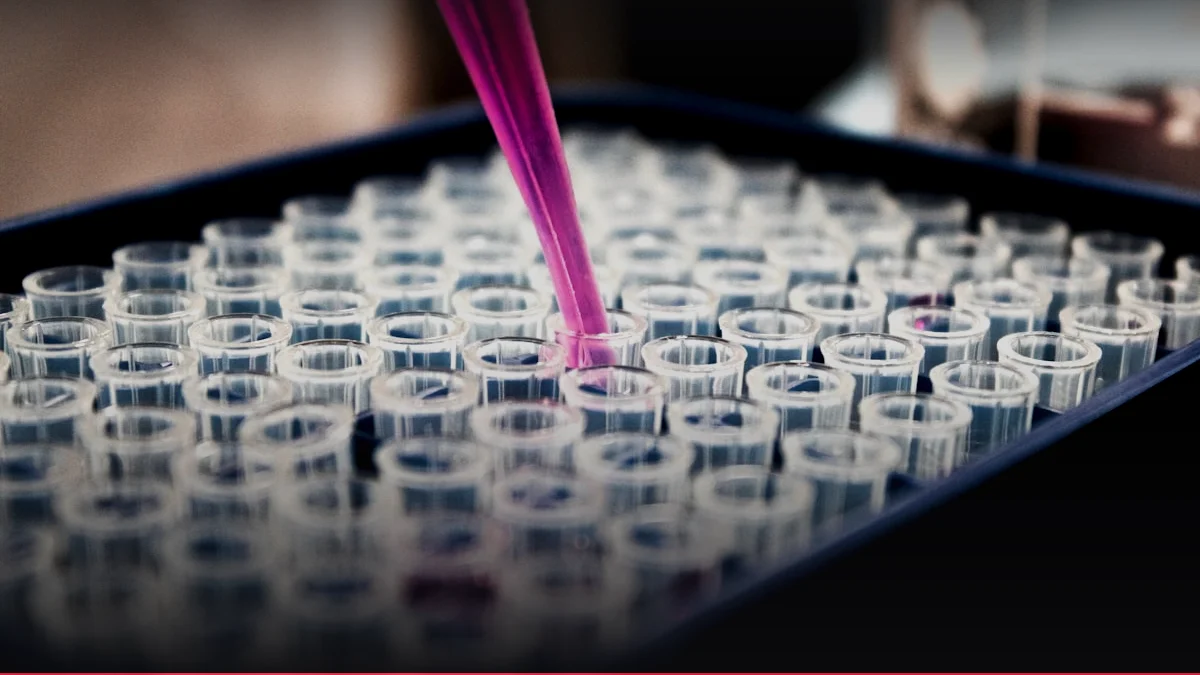
3. Anatomy and Biomechanics (or Physiology of the Process)
The physiological action of hCG is rooted in its molecular structure, which shares a common alpha-subunit with LH, TSH, and FSH, but possesses a unique beta-subunit that confers specificity to the LH receptor. The LH receptor is a G-protein coupled receptor (GPCR) located on the surface of Leydig cells in the testes. Upon binding, hCG activates the adenylyl cyclase-cAMP pathway, leading to the activation of protein kinase A (PKA). This cascade stimulates the StAR protein (Steroidogenic Acute Regulatory protein), which facilitates the transport of cholesterol from the cytosol into the mitochondria, the rate-limiting step in steroidogenesis. The subsequent enzymatic conversion of cholesterol to pregnenolone, and then to testosterone, is driven by enzymes such as 17-alpha-hydroxylase and 17,20-lyase. This intricate biochemical sequence highlights the precision of hCG’s action in maintaining testicular function.
The anatomical context of hCG’s effect extends beyond the testes to the hypothalamic-pituitary axis. Exogenous hCG does not directly suppress GnRH secretion in the hypothalamus, as it does not cross the blood-brain barrier in significant quantities. However, the resulting elevated testosterone levels feed back negatively to the hypothalamus and pituitary gland, suppressing GnRH and endogenous LH secretion. This creates a state of secondary hypogonadism, where the pituitary is suppressed, but the testes remain stimulated by exogenous hCG. The balance between exogenous hCG and endogenous LH is critical; insufficient hCG leads to testicular atrophy, while excessive hCG can cause receptor desensitization. Understanding this feedback loop is essential for designing protocols that preserve endogenous function while providing adequate androgenic support during AAS cycles.
- Leydig Cell Activation
- The primary site of hCG action, where LH receptor binding triggers the cAMP cascade, leading to cholesterol uptake and testosterone synthesis.
- StAR Protein
- Steroidogenic Acute Regulatory protein, which mediates the transport of cholesterol into the mitochondria, a critical step in steroid hormone production.
- Adenylyl Cyclase
- An enzyme that converts ATP to cAMP upon GPCR activation, serving as a major second messenger in signal transduction pathways.
- GnRH Suppression
- The negative feedback mechanism by which elevated testosterone inhibits the release of Gonadotropin-Releasing Hormone from the hypothalamus.
The biomechanical aspect of hCG administration involves the subcutaneous or intramuscular injection of the hormone, which requires careful consideration of injection sites and rotation to prevent tissue necrosis or abscess formation. The bioavailability of hCG is high when administered parenterally, with peak plasma levels reached within 24 to 48 hours, depending on the formulation. The half-life of hCG is approximately 24 to 36 hours, necessitating frequent dosing to maintain therapeutic levels. The pharmacokinetic profile of hCG, including its distribution, metabolism, and excretion, is influenced by factors such as body mass, renal function, and the presence of anti-bodies. These pharmacokinetic parameters are crucial for optimizing dosing intervals and ensuring consistent hormonal stimulation.
4. Biochemical Impact on the Body
The biochemical impact of hCG on the male body is primarily mediated through its stimulation of testosterone production, which in turn influences a wide array of metabolic and physiological processes. Testosterone is converted to dihydrotestosterone (DHT) by 5-alpha-reductase and to estradiol by aromatase, both of which have significant biological effects. DHT is a more potent androgen that contributes to hair growth, prostate health, and libido, while estradiol plays a crucial role in bone density, lipid metabolism, and mood regulation. The balance between testosterone, DHT, and estradiol is critical for maintaining overall health and performance. hCG administration helps maintain this balance by ensuring adequate testosterone levels, which can then be converted as needed by peripheral tissues.
In addition to its effects on sex steroid hormones, hCG influences the production of other hormones and metabolic markers. For instance, hCG can stimulate the production of insulin-like growth factor 1 (IGF-1), which plays a role in cell growth and regeneration. It may also affect insulin sensitivity and glucose metabolism, although the exact mechanisms are not fully understood. The anabolic effects of hCG, mediated through testosterone, include increased protein synthesis, nitrogen retention, and muscle hypertrophy. These effects are synergistic with the anabolic properties of exogenous AAS, enhancing overall performance and recovery. However, the catabolic effects of low testosterone, if hCG is not used appropriately, can lead to muscle loss, fatigue, and decreased immune function.
The hormonal cascade initiated by hCG also involves the regulation of cortisol and thyroid hormones. Testosterone has been shown to have a mild anti-cortisol effect, which can be beneficial in reducing stress and promoting recovery. Additionally, testosterone influences thyroid hormone metabolism, with higher levels associated with increased conversion of T4 to the more active T3. These interactions highlight the systemic nature of hCG’s effects, extending beyond the reproductive axis to influence metabolic rate, energy expenditure, and overall homeostasis. Understanding these biochemical pathways is essential for designing comprehensive protocols that address the multifaceted impacts of hCG on the body.
The metabolic byproducts of hCG administration include the accumulation of estrogenic metabolites, which can lead to side effects such as gynecomastia, water retention, and mood swings. The management of these byproducts is a key consideration in hCG protocols, often requiring the use of aromatase inhibitors (AIs) to control estradiol levels. The balance between testosterone and estradiol is delicate, and excessive suppression of estrogen can lead to adverse effects on bone health, lipid profiles, and libido. Therefore, a nuanced approach to hCG administration, combined with careful monitoring of hormone levels, is necessary to optimize benefits and minimize risks.
HCG Support Protocol Calculator
Calculate on-cycle Human Chorionic Gonadotropin (HCG) preservation dosages to protect Leydig cells.
Launch Tool5. Practical Methodology and Execution Technique
The practical execution of an hCG protocol requires meticulous attention to dosing, timing, and injection technique. The standard dosing range for hCG in the context of AAS cycles is typically between 250 IU and 500 IU per day, although some protocols may use higher doses for extended periods. The frequency of administration is usually daily or every other day, depending on the desired level of hormonal stimulation and the specific AAS regimen used. For example, during a cycle of long-acting esters, daily hCG administration may be necessary to maintain consistent testosterone levels, whereas shorter-acting esters may allow for every-other-day dosing. The choice of formulation is also important, with subcutaneous injections generally preferred for their ease of administration and lower pain levels.
- Select the appropriate hCG formulation, ensuring that it is sterile and stored according to manufacturer recommendations.
- Prepare the injection site by cleaning the skin with an alcohol swab and allowing it to dry completely.
- Draw the prescribed dose of hCG into the syringe, ensuring that no air bubbles are present.
- Pinch the skin at the selected injection site (abdomen, thigh, or upper arm) and insert the needle at a 45-90 degree angle.
- Slowly inject the hCG into the subcutaneous tissue, avoiding intramuscular or intravascular injection.
- Remove the needle and apply gentle pressure to the site to prevent bleeding or bruising.
- Rotate injection sites to prevent tissue irritation and ensure optimal absorption.
The timing of hCG administration is crucial for maximizing its benefits and minimizing side effects. Ideally, hCG should be administered at the same time each day to maintain stable plasma levels. Some athletes prefer to take hCG in the morning, as this aligns with the natural circadian rhythm of testosterone production. Others may split the dose into two administrations, morning and evening, to provide more consistent stimulation. The interaction between hCG and other compounds, such as AAS and AIs, must also be considered. For example, hCG may be taken in conjunction with an AI to manage estrogen levels, or it may be used during post-cycle therapy to support the recovery of endogenous testosterone production.
Breathing mechanics and postural alignment are not directly relevant to hCG administration, but they are important for overall athletic performance and recovery. Maintaining proper posture during training and rest helps reduce stress on the spine and joints, which can be exacerbated by the hormonal fluctuations associated with hCG use. Deep diaphragmatic breathing can also help manage stress and promote relaxation, which is beneficial for hormonal balance. Furthermore, adequate hydration and nutrition are essential for supporting the body’s metabolic processes and ensuring the optimal absorption and utilization of hCG. By integrating these practical considerations into a comprehensive protocol, athletes can maximize the benefits of hCG while minimizing potential risks.
6. Progressive Overload and Periodization / Cycling
The periodization of hCG protocols is a critical aspect of their effective use, requiring a structured approach to dosing and timing. The typical hCG protocol is divided into three phases: the loading phase, the maintenance phase, and the tapering phase. The loading phase involves the initiation of hCG administration at a higher dose to rapidly stimulate testosterone production and prevent testicular atrophy. This phase usually lasts for the first two to four weeks of an AAS cycle. The maintenance phase involves a reduction in hCG dose to a level that is sufficient to maintain testosterone levels without causing excessive receptor desensitization. This phase continues for the remainder of the AAS cycle. The tapering phase involves a gradual reduction in hCG dose to allow the body to adjust to the removal of exogenous support, typically performed in the final two to four weeks of the cycle.
| Phase | Duration | Dose (IU/day) | Frequency | Objective |
|---|---|---|---|---|
| Loading | 2-4 weeks | 500 | Daily | Maximize testosterone production and prevent atrophy |
| Maintenance | Remaining cycle | 250 | Every other day | Maintain testosterone levels and prevent desensitization |
| Tapering | 2-4 weeks | 125-250 | Gradual reduction | Allow endogenous axis to recover and adjust |
The progression of hCG doses should be tailored to the individual’s response and the specific AAS cycle. Athletes with a history of severe suppression may require higher doses during the loading phase, while those with milder suppression may do well with lower doses. The use of pulse dosing, where hCG is administered in smaller, more frequent doses, can help maintain receptor sensitivity and reduce the risk of desensitization. This approach is particularly useful for long-term cycles or for athletes who are sensitive to hormonal fluctuations. The monitoring of hormone levels through blood work is essential for adjusting the protocol and ensuring that testosterone levels remain within a healthy range.
The integration of hCG into a periodized training program requires careful coordination with the intensity and volume of training. During periods of high training load, hCG may be used to support recovery and maintain performance levels. Conversely, during deload weeks, hCG may be reduced or paused to allow the body to rest and recover. The use of hCG should always be part of a comprehensive strategy that includes proper nutrition, sleep, and stress management. By aligning hCG administration with the phases of the training cycle, athletes can optimize their hormonal environment and enhance their overall performance and recovery.

7. Scientific Research and Evidence Base
The scientific literature on hCG in the context of athletic performance is limited but provides valuable insights into its physiological effects. Studies have consistently shown that hCG can maintain testosterone levels in men undergoing AAS therapy, reducing the risk of testicular atrophy and infertility. A randomized controlled trial conducted on men with hypogonadism demonstrated that hCG treatment significantly increased testosterone levels and improved semen parameters compared to placebo. These findings support the use of hCG as a therapeutic agent for preserving reproductive function in men with suppressed gonadotropin levels. However, the long-term effects of hCG on fertility and hormonal balance remain an area of active research.
Research on the pharmacokinetics of hCG has revealed that its absorption and distribution are influenced by factors such as injection site, body mass, and renal function. Subcutaneous administration has been shown to have a slower onset of action but a longer duration compared to intramuscular injection. The half-life of hCG is approximately 24 to 36 hours, which necessitates frequent dosing to maintain therapeutic levels. Studies have also investigated the formation of anti-bodies against hCG, which can occur in a small percentage of users and may reduce the efficacy of the hormone. The use of recombinant hCG has been associated with a lower risk of anti-body formation compared to urinary extracts, making it a preferable option for long-term use.
The impact of hCG on metabolic parameters, including lipid profiles and insulin sensitivity, has been studied in both clinical and athletic populations. Some studies have reported improvements in lipid profiles with hCG use, while others have found no significant changes. The effects of hCG on insulin sensitivity are less clear, with some evidence suggesting a potential beneficial effect on glucose metabolism. However, more research is needed to fully understand the metabolic implications of hCG use in healthy individuals. The current evidence base suggests that hCG is generally safe and effective for short-term use in the context of AAS therapy, but its long-term safety profile requires further investigation.
The position of major sports medicine organizations, such as the American College of Sports Medicine (ACSM) and the National Strength and Conditioning Association (NSCA), on hCG use is largely neutral, as it is not a prohibited substance in many contexts. However, these organizations emphasize the importance of evidence-based practice and the potential risks associated with exogenous hormone use. They recommend that athletes consult with qualified medical professionals before using hCG or any other performance-enhancing substance. The lack of comprehensive guidelines on hCG use in sports highlights the need for further research and standardized protocols to ensure the safe and ethical use of this hormone.
8. Synergy: Nutrition, Nutraceuticals, and Recovery
The synergy between hCG and nutritional interventions is crucial for optimizing hormonal balance and athletic performance. A diet rich in healthy fats, particularly monounsaturated and polyunsaturated fatty acids, supports the synthesis of steroid hormones, including testosterone. Cholesterol, a precursor to testosterone, should be consumed in adequate amounts, as dietary restriction can impair hormonal production. Protein intake is also important for maintaining muscle mass and supporting recovery, especially during periods of hormonal fluctuation. The timing of nutrient intake, with an emphasis on peri-workout nutrition, can enhance the anabolic effects of hCG and AAS, promoting muscle protein synthesis and recovery.
Nutraceuticals can play a supportive role in hCG protocols by addressing specific physiological needs. For example, zinc and magnesium are essential cofactors for testosterone synthesis and may help maintain optimal hormonal levels. Vitamins D and K are important for bone health and may counteract the potential negative effects of estrogen on bone density. Omega-3 fatty acids have anti-inflammatory properties that can support recovery and reduce oxidative stress. The use of adaptogens, such as ashwagandha and rhodiola, may help manage stress and improve resilience to hormonal fluctuations. However, the efficacy of these nutraceuticals varies, and their use should be based on individual needs and scientific evidence.
Recovery strategies, including sleep hygiene and stress management, are integral to the success of hCG protocols. Adequate sleep is essential for hormonal regulation, as the majority of growth hormone and testosterone release occurs during deep sleep. Poor sleep quality can lead to increased cortisol levels, which may counteract the anabolic effects of hCG and AAS. Stress management techniques, such as mindfulness and meditation, can help reduce cortisol levels and promote a more favorable hormonal environment. The integration of regular recovery practices, including active recovery, stretching, and foam rolling, can further enhance the benefits of hCG and support overall athletic performance.
The interaction between hCG and other ergogenic aids, such as creatine and beta-alanine, should be considered when designing a comprehensive supplementation protocol. Creatine has been shown to enhance muscle strength and power, while beta-alanine improves muscular endurance. These supplements can be used in conjunction with hCG to maximize performance gains and support recovery. However, the combined use of multiple ergogenic aids may increase the risk of side effects and interactions, so careful monitoring and professional guidance are recommended. By integrating nutrition, nutraceuticals, and recovery strategies, athletes can create a holistic approach to hCG use that supports both performance and health.
9. Common Mistakes, Myths, and Injury Prevention
Common mistakes in hCG administration include incorrect dosing, improper injection technique, and failure to monitor hormone levels. Overdosing hCG can lead to receptor desensitization, which may impair the recovery of endogenous testosterone production after the cycle ends. Underdosing may result in insufficient testosterone levels, leading to symptoms of hypogonadism such as fatigue, low libido, and muscle loss. Improper injection technique can cause tissue damage, infection, or poor absorption of the hormone. Failure to monitor hormone levels through blood work can lead to undetected hormonal imbalances, which may have long-term health consequences. Avoiding these mistakes requires careful planning, education, and regular medical supervision.
Myths surrounding hCG use include the belief that it is a direct performance enhancer, that it is safe for unlimited use, and that it can completely prevent all side effects of AAS. In reality, hCG is primarily a supportive compound that helps maintain endogenous testosterone production. It does not directly increase muscle mass or strength but supports the hormonal environment necessary for these adaptations. Long-term use of hCG is not well-studied, and there is a risk of receptor desensitization and other hormonal imbalances. Furthermore, hCG does not prevent all side effects of AAS, such as cardiovascular issues, liver toxicity, or psychological effects. Understanding the limitations of hCG is crucial for setting realistic expectations and using it safely.
Injury Prevention Protocols: Injury prevention in the context of hCG use involves managing the physical and hormonal stresses associated with high-intensity training and exogenous hormone use. Maintaining proper joint alignment and mobility is essential for preventing musculoskeletal injuries, which can be exacerbated by hormonal fluctuations that affect connective tissue integrity. Prehabilitation exercises, such as rotator cuff strengthening and hip mobility drills, can help stabilize key joints and reduce the risk of injury. Additionally, monitoring for signs of hormonal imbalance, such as mood swings, fatigue, and decreased libido, is important for early intervention and adjustment of the protocol. By prioritizing injury prevention and hormonal health, athletes can sustain performance and minimize long-term risks.
Contraindications for hCG use include a history of prostate cancer, breast cancer, or other hormone-sensitive conditions. Individuals with liver or kidney disease should also use hCG with caution, as these organs are involved in the metabolism and excretion of the hormone. Pregnant women and nursing mothers should not use hCG, as it can affect fetal development and milk production. Men with known allergies to hCG or its components should avoid its use. Consulting with a healthcare provider before starting an hCG protocol is essential to assess individual risks and ensure safe use. By adhering to these guidelines and maintaining open communication with medical professionals, athletes can navigate the complexities of hCG use with greater confidence and safety.
Interactive Apps & Calculators for Article
Empirical mathematical algorithms and scientific formulas for sports optimization
Biohacking & Ergogenics
Pharma Half-Life Simulator
Simulate plasma drug concentration curves for steroids, peptides, and SARMs with clearance & PCT timing.
Biohacking & Ergogenics
Prolactin & Cabergoline Dosing Protocol
Calculate cabergoline dosing to manage elevated prolactin and prevent gynecomastia on 19-nor steroid cycles.
10. FAQ: Frequently Asked Questions
- Does hCG directly enhance athletic performance?
- No, hCG does not directly enhance athletic performance in the same way that anabolic steroids do