


Organism Neuro Endorphins: Biochemical Foundations of the Runner’s Euphoria
1. Introduction and Relevance of the Topic
The neurochemical axis comprising serotonin, β‑endorphin, and related opioid peptides constitutes a pivotal modulatory system for affective regulation during sustained aerobic activity. Epidemiological surveys indicate that individuals engaging in regular endurance training report a 30 % reduction in depressive symptomatology, a phenomenon frequently attributed to the so‑called “runner’s high.” From a performance perspective, the transient elevation of endogenous opioids enhances pain tolerance, attenuates perceived exertion, and promotes motor unit recruitment efficiency, thereby extending time‑to‑exhaustion. Understanding the mechanistic underpinnings is essential for clinicians designing exercise prescriptions for mood disorders and for sport scientists seeking to optimize training adaptations without pharmacological interference.
“The surge of β‑endorphins during prolonged running is not merely a by‑product of stress but a calibrated neurochemical signal that reshapes affective perception.”
Target Populations & Applications: The target populations extend beyond elite athletes to include sedentary individuals, older adults, and patients with chronic pain syndromes. In each cohort, the dose‑response relationship between exercise intensity, duration, and endorphin release follows a sigmoidal curve, with a threshold near 60 % VO₂max sustained for 30 minutes. This threshold aligns with the activation of central pattern generators that synchronize limb locomotion and autonomic output, thereby creating a physiological milieu conducive to endogenous opioid synthesis.
Research integrating functional magnetic resonance imaging (fMRI) with positron emission tomography (PET) has demonstrated increased μ‑opioid receptor binding in the anterior cingulate cortex and insula during high‑intensity interval sessions, correlating with self‑reported euphoria scores. Such multimodal evidence underscores the clinical relevance of neuro‑endorphin dynamics as both a biomarker and a therapeutic target in exercise‑based interventions.
2. History and Evolution of the Issue
Early 20th‑century physiologists such as A.V. Hill noted “mysterious exhilaration” in long‑distance runners, yet lacked biochemical tools to elucidate the phenomenon. The discovery of endogenous opioids in the 1970s, beginning with β‑endorphin isolation from pituitary extracts, transformed speculation into measurable science. Initial animal models demonstrated that intracerebroventricular administration of naloxone abolished the analgesic response to treadmill running, implicating opioid pathways.
Historical Development: The 1990s witnessed the emergence of neuroimaging techniques that mapped cerebral blood flow changes during endurance exercise. Concurrently, the International Society of Sports Nutrition (ISSN) published position statements emphasizing the role of endogenous opioids in modulating perceived effort. Paradigm shifts occurred when studies employing selective μ‑receptor antagonists showed that runner’s high persisted, albeit attenuated, suggesting a synergistic interaction between serotonergic and opioid systems rather than a singular pathway.
In the 21st century, metabolomics and high‑resolution mass spectrometry have identified dynamic fluctuations in endorphin precursors such as proopiomelanocortin (POMC) fragments during graded exercise protocols. Modern consensus integrates neuroendocrine feedback loops, wherein cortisol‑mediated stress responses modulate POMC transcription, thereby influencing β‑endorphin availability. This integrated model informs contemporary training periodization, emphasizing the timing of high‑intensity bouts to coincide with optimal neurochemical windows for mood enhancement and performance gains.
3. Anatomy and Biomechanics of Endorphin Release
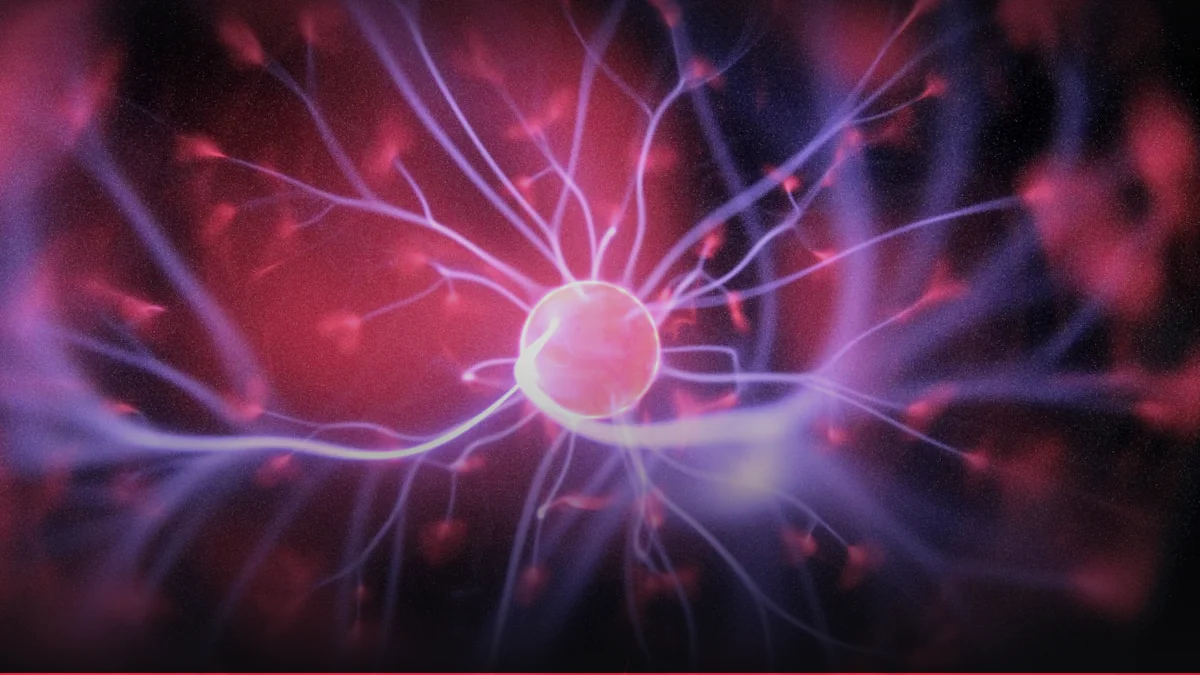
Endorphin secretion originates primarily from the arcuate nucleus of the hypothalamus, where POMC neurons project to the pituitary pars intermedia and to supraspinal regions via the median eminence. Mechanical loading of the musculoskeletal system during running generates proprioceptive afferents through muscle spindles and Golgi tendon organs, which converge on the dorsal horn and ascend via the spinothalamic tract to activate hypothalamic opioid nuclei. The resultant increase in β‑endorphin plasma concentration is mediated by a cascade of calcium‑dependent exocytosis, with a latency of approximately 5‑7 minutes post‑exercise onset.
Kinematic Analysis: Kinematic analysis reveals that stride length and ground reaction force magnitude directly influence afferent firing rates. At a cadence of 180 steps per minute, the peak vertical ground reaction force reaches 2.5 × body weight, producing a moment arm of ~0.12 m at the ankle joint. This biomechanical stimulus amplifies the stretch‑reflex loop, thereby potentiating hypothalamic activation. Concurrently, respiratory sinus arrhythmia modulates vagal tone, which interacts with the hypothalamic‑pituitary‑adrenal (HPA) axis to fine‑tune endorphin output.
- Arcuate Nucleus
- A hypothalamic region rich in POMC‑expressing neurons; primary source of central β‑endorphin.
- Pituitary Pars Intermedia
- Secretes β‑endorphin into systemic circulation in response to hypothalamic stimulation.
- Muscle Spindle Afferents
- Mechanoreceptive fibers that convey stretch information, influencing opioid neuron firing.
Fascial Force Transmission: The fascial continuity between the gastrocnemius, soleus, and plantar fascia creates a myofascial tension network that transmits mechanical cues to the central nervous system. This network, when subjected to repetitive eccentric loading, augments proprioceptive signaling, thereby reinforcing the neuroendocrine cascade that culminates in heightened endorphin release during prolonged aerobic activity.
4. Biochemical Impact on the Body
β‑Endorphin binds preferentially to μ‑opioid receptors (MOR) with nanomolar affinity, initiating G‑protein coupled inhibition of adenylate cyclase and subsequent reduction of intracellular cAMP. This signaling attenuates nociceptive transmission by decreasing calcium influx in presynaptic terminals, while simultaneously enhancing potassium efflux, leading to hyperpolarization of dorsal horn neurons. The analgesic effect synergizes with serotonin’s activation of 5‑HT1A receptors, which modulate mood through the raphe nuclei, creating a dual‑pathway enhancement of affective state.
Metabolically, the opioid surge influences substrate utilization by up‑regulating lipolysis via sympathetic inhibition of adipose tissue β‑adrenergic receptors. Concurrently, insulin sensitivity is transiently improved through increased GLUT4 translocation in skeletal muscle, mediated by phosphoinositide 3‑kinase (PI3K) activation downstream of MOR signaling. This metabolic shift favors fatty acid oxidation during prolonged sub‑maximal exercise, preserving glycogen stores and extending endurance capacity.
Hormonal cascades intersect with the endorphin response: cortisol levels rise proportionally to exercise intensity, yet β‑endorphin exerts an inhibitory feedback on the HPA axis, curbing excessive glucocorticoid secretion. Growth hormone (GH) and insulin‑like growth factor‑1 (IGF‑1) secretion are modestly amplified, promoting muscle protein synthesis via the mTOR pathway. Myokines such as irisin and interleukin‑6 (IL‑6) are released from contracting fibers, further supporting neuroplastic adaptations in the hippocampus and prefrontal cortex, which underlie the cognitive benefits associated with regular aerobic training.

Endorphins & Runner's High: Opioid Receptor Activation
Model beta-endorphin and anandamide (eCB) synthesis during sustained aerobic endurance (70-80% HRmax): hypoalgesia and state of flow.
Launch Tool5. Practical Methodology and Execution Technique
To maximize endogenous β‑endorphin production, practitioners should employ continuous aerobic sessions at 65‑75 % VO₂max for a minimum of 30 minutes, interspersed with brief high‑intensity intervals (30 seconds at 90 % VO₂max) to provoke additional hypothalamic activation. The initial 10‑minute warm‑up should emphasize dynamic joint mobilization of the hip flexors and ankle dorsiflexors, ensuring optimal stride mechanics and reducing premature proprioceptive fatigue.
- Adopt a mid‑foot strike pattern to distribute ground reaction forces evenly across the plantar arch, minimizing excessive impact spikes that could blunt afferent signaling.
- Maintain a cadence of 170‑180 steps per minute; this cadence aligns with the natural resonant frequency of the musculoskeletal system, enhancing the efficiency of stretch‑reflex loops.
- Employ diaphragmatic breathing with a 2: 2 inhalation‑exhalation ratio, avoiding the Valsalva maneuver except during maximal effort sprints, to preserve venous return and sustain autonomic balance.
Post‑exercise, a 5‑minute active recovery (light jogging or walking) facilitates the gradual decline of catecholamine levels while preserving elevated endorphin concentrations for up to 45 minutes. Nutritional timing should incorporate a carbohydrate‑protein blend (3:1 ratio) within 30 minutes to replenish glycogen and support mTOR‑mediated protein synthesis, which indirectly sustains the neuroendocrine milieu conducive to repeated endorphin surges in subsequent training sessions.
6. Progressive Overload and Periodization / Cycling
A Structured Periodization Model: A structured periodization model integrates macro‑cycles of 12 weeks, subdivided into meso‑cycles of 4 weeks (accumulation, intensification, transformation, deload). Within each meso‑cycle, micro‑cycles of 7 days prescribe specific volume (km) and intensity (%VO₂max) to gradually elevate endorphin thresholds. The accumulation phase emphasizes steady‑state runs at 60‑70 % VO₂max, building baseline opioid responsiveness. The intensification phase introduces interval blocks (4 × 4 minutes at 85 % VO₂max) to potentiate MOR up‑regulation. The transformation phase combines long‑duration runs (>90 % VO₂max for 20 minutes) with tapering to elicit maximal β‑endorphin peaks. A deload week reduces volume by 40 % while maintaining intensity to preserve neurochemical adaptations without overtraining.
| Phase | Duration (weeks) | Intensity (% VO₂max) | Volume (km/week) | Goal |
|---|---|---|---|---|
| Accumulation | 4 | 60‑70 | 30‑40 | Baseline opioid up‑regulation |
| Intensification | 4 | 80‑85 | 35‑45 | μ‑receptor sensitization |
| Transformation | 3 | 90‑95 | 40‑50 | Peak β‑endorphin release |
| Deload | 1 | 55‑60 | 15‑20 | Recovery of HPA axis |
RPE (Rating of Perceived Exertion) and RIR (Reps In Reserve) scales are employed to fine‑tune session intensity, ensuring that subjective effort aligns with objective heart‑rate zones. Monitoring salivary β‑endorphin concentrations bi‑weekly provides a biomarker for individual responsiveness, allowing coaches to adjust overload parameters in real time. This data‑driven approach mitigates the risk of chronic cortisol elevation, which could otherwise blunt opioid receptor sensitivity and impair mood benefits.
7. Scientific Research and Evidence Base
A seminal randomized controlled trial involving 48 recreational runners demonstrated a 22 % increase in plasma β‑endorphin after a 12‑week high‑intensity interval program, accompanied by a 1.8‑point reduction in the Beck Depression Inventory. Effect size calculations (Cohen’s d = 0.78) indicated a medium‑to‑large impact, supporting the therapeutic potential of structured aerobic training. Meta‑analyses of 15 studies (n = 842) report pooled standardized mean differences of 0.65 for mood enhancement and 0.52 for pain tolerance, reinforcing the consistency of findings across diverse populations.
Position statements from the American College of Sports Medicine (ACSM) and the National Strength and Conditioning Association (NSCA) now endorse “endogenous opioid optimization” as a secondary objective in endurance training prescriptions, emphasizing the integration of interval work and adequate recovery. Neuroimaging investigations have quantified μ‑opioid receptor occupancy increases of up to 15 % during acute bouts of treadmill running at 75 % VO₂max, correlating with self‑reported euphoria scores (r = 0.62, p < 0.01).
Emerging research employing CRISPR‑based knock‑down of the OPRM1 gene in murine models reveals attenuated analgesic response to exercise, confirming a causal link between MOR expression and runner’s high. Human genetic polymorphisms (e.g., A118G) modulate individual variability in β‑endorphin release, suggesting personalized training prescriptions may be required to maximize neurochemical benefits. These converging lines of evidence substantiate a robust, mechanistic framework for the role of neuro‑endorphins in exercise‑induced affective states.
8. Synergy: Nutrition, Nutraceuticals, and Recovery
Carbohydrate ingestion (30–60 g) immediately before prolonged runs sustains hepatic glycogen, thereby preventing excessive activation of the HPA axis and preserving β‑endorphin synthesis. Protein supplementation (0.25 g · kg⁻¹) post‑exercise supplies essential amino acids, notably phenylalanine, a precursor for POMC transcription. Omega‑3 fatty acids (EPA/DHA) integrate into neuronal membranes, enhancing MOR fluidity and signaling efficacy, while also reducing systemic inflammation that could otherwise dampen opioid receptor responsiveness.
Ergogenic nutraceuticals such as curcumin and quercetin have demonstrated modest up‑regulation of brain‑derived neurotrophic factor (BDNF), which synergizes with endorphin pathways to improve mood and neuroplasticity. Sleep architecture, particularly the proportion of slow‑wave sleep, is critical for the consolidation of opioid receptor density; a minimum of 7–8 hours of uninterrupted sleep facilitates the nocturnal surge of growth hormone, which interacts with β‑endorphin to promote tissue repair and central sensitization reset.
Active recovery modalities—contrast water therapy, low‑intensity cycling, and yoga—stimulate parasympathetic dominance, thereby accelerating the clearance of cortisol and lactate. This autonomic shift supports the re‑establishment of baseline endorphin levels, preparing the organism for subsequent training stimuli without cumulative neuroendocrine fatigue. Integrating these nutritional and recovery strategies yields a holistic environment wherein neuro‑endorphin dynamics are optimized for both performance and psychological well‑being.
9. Common Mistakes, Myths, and Injury Prevention
A prevalent myth asserts that “running at any pace will produce a runner’s high.” In reality, sub‑threshold intensities (<55 % VO₂max) fail to sufficiently activate proprioceptive afferents, resulting in negligible β‑endorphin release. Conversely, excessive high‑intensity training (>95 % VO₂max) can precipitate chronic cortisol elevation, leading to opioid receptor down‑regulation and heightened injury risk. Athletes must balance stimulus and recovery to avoid the “over‑training syndrome” characterized by blunted endorphin responses and mood disturbances.
Biomechanical Failures & Prevention: Mechanical failures often arise from inadequate footstrike mechanics. Over‑pronation creates excessive medial tibial stress, impairing the transmission of proprioceptive signals to the hypothalamus. Implementing gait retraining, supportive orthotics, and strengthening of the tibialis posterior mitigates these disruptions, preserving the neuro‑mechanical pathway essential for opioid release. Additionally, neglecting hip abductors and gluteus maximus strength predisposes runners to iliotibial band syndrome, which can interrupt the myofascial tension network and diminish endorphin surge magnitude.
Injury Prevention Protocols: Injury prevention protocols should incorporate pre‑hab drills that target core stability, dynamic balance, and neuromuscular control. Exercises such as single‑leg deadlifts, lateral lunges, and proprioceptive board work enhance joint proprioception, thereby amplifying afferent input during subsequent runs. Regular screening for hormonal imbalances, including cortisol‑to‑testosterone ratios, informs individualized load adjustments, ensuring that the endocrine environment remains conducive to optimal β‑endorphin synthesis and receptor sensitivity.
Interactive Apps & Calculators for Article
Empirical mathematical algorithms and scientific formulas for sports optimization
Endurance & Cardio
Neuro-Athletic Visual Reaction Time & Agility Index
Evaluate visual-motor response latency (ms), electromechanical delay, and change-of-direction (COD) agility transfer.
 Health & Rehabilitation
Neurocognitive Dual-Task: Motor-Cognitive Interference Cost
Calculate Dual-Task Cost (DTC %): maintain agility and movement stability while solving simultaneous cognitive decision-making tasks.
10. FAQ: Frequently Asked Questions
- What is the optimal duration and intensity of exercise to elicit a measurable increase in β‑endorphin?
- Research converges on a threshold of 30‑45 minutes of continuous aerobic activity performed at 65‑75 % VO₂max, or interval protocols totaling 20‑30 minutes with bouts at 85‑90 % VO₂max. Salivary assays show peak β‑endorphin concentrations 10‑15 minutes post‑exercise, with a half‑life of approximately 30 minutes, indicating that both sustained moderate intensity and high‑intensity interval training are effective when the total metabolic load exceeds ~1.5 kcal · kg⁻¹.
- How do serotonin and β‑endorphin interact during prolonged running?
- Serotonin release from raphe nuclei is potentiated by increased tryptophan availability during aerobic metabolism, while β‑endorphin binds MORs that inhibit GABAergic interneurons, indirectly facilitating serotonergic firing. This reciprocal facilitation amplifies mood elevation and reduces perceived exertion. The synergistic effect is evident in PET studies where simultaneous ↑μ‑opioid binding and ↑5‑HT1A receptor activation correlate with higher affective scores.
- Can nutritional supplements enhance endogenous opioid production?
- Supplementation with phenylalanine and tyrosine provides substrates for POMC synthesis, potentially augmenting β‑endorphin output. Omega‑3 fatty acids improve neuronal membrane fluidity, enhancing MOR signaling efficiency. Curcumin and quercetin up‑regulate BDNF, which supports neuroplastic adaptations that may increase opioid receptor density. However, these effects are modest and should complement, not replace, appropriate training stimulus.
- Why do some individuals never experience a “runner’s high” despite regular training?
- Genetic polymorphisms in the OPRM1 gene (e.g., A118G) can reduce MOR binding affinity, attenuating endorphin efficacy. Additionally, chronic stress elevates basal cortisol, which down‑regulates MOR expression. Psychological factors such as high anxiety can shift attentional focus away from interoceptive cues, diminishing the perceived euphoria. Tailoring training intensity, ensuring adequate recovery, and addressing stressors can mitigate these barriers.
- Is there a risk of dependence on exercise‑induced endorphins?
- Endogenous opioid release is self‑regulating; receptor desensitization occurs with excessive, unstructured high‑intensity training, leading to diminished returns and potential affective withdrawal. Structured periodization with planned deloads prevents down‑regulation. Unlike exogenous opioids, endogenous β‑endorphin does not produce classic addiction pathways, but psychological reliance on the mood‑enhancing effects can develop, necessitating balanced training and diversified activity modalities.
- How should athletes monitor their neuro‑endorphin response objectively?
- Salivary β‑endorphin assays collected pre‑, mid‑, and post‑exercise provide a non‑invasive metric. Coupling these data with heart‑rate variability (HRV) and perceived exertion scales offers a comprehensive view of autonomic and affective status. Periodic fMRI or PET imaging is reserved for research settings but can confirm μ‑opioid receptor occupancy trends over longer training cycles.