


Organism Neuro Dopamine: Dopaminergic System, Reward, and Discipline
1. Introduction and Relevance of the Topic
The Dopaminergic Circuitry: The dopaminergic circuitry constitutes a central axis linking motivational drive, motor execution, and adaptive learning in elite athletes. Epidemiological surveys reveal that variations in striatal dopamine transporter (DAT) density correlate with performance consistency across endurance, power, and skill‑based disciplines, suggesting a neurochemical substrate for the “discipline phenotype.” Contemporary sport science integrates functional magnetic resonance imaging (fMRI) metrics with psychophysiological markers such as heart‑rate variability to quantify reward‑related activation during training feedback loops. By mapping these signals to behavioral outcomes, coaches can tailor reinforcement schedules that optimize neuroplastic adaptation while mitigating maladaptive over‑training syndromes. The translational relevance extends to talent identification, where polymorphisms in the COMT Val158Met gene predict differential reward sensitivity and stress resilience among adolescent athletes.
Neuroeconomic models posit that dopamine encodes a prediction error signal, updating expected value representations after each successful trial. In high‑intensity interval training (HIIT), this mechanism manifests as a rapid escalation of perceived effort tolerance, mediated by phasic bursts from ventral tegmental area (VTA) projections to the nucleus accumbens. The resultant increase in intracellular cAMP activates protein kinase A (PKA), which phosphorylates DARPP‑32, amplifying downstream glutamatergic potentiation. Such synaptic reinforcement underlies the rapid acquisition of complex motor patterns, explaining why athletes who experience frequent reward feedback demonstrate accelerated skill consolidation relative to those trained with monotonic load progressions.
“Dopamine is not merely a pleasure molecule; it is the engine that translates goal‑directed anticipation into concrete motor output, especially under disciplined training regimens.”
2. History and Evolution of the Issue
Early 20th‑century physiologists such as A.V. Hill described “central fatigue” without recognizing the neurotransmitter basis, attributing performance decline to lactic acid accumulation. The discovery of dopamine by Arvid Carlsson in the 1950s revolutionized the understanding of central motivation, yet its application to sport remained marginal until the 1970s, when operant conditioning experiments linked dopaminergic spikes to reward‑based learning in rodents. The 1990s saw the emergence of positron emission tomography (PET) studies quantifying dopamine release during competitive cycling, establishing a causal relationship between striatal dopamine turnover and perceived exertion.
The turn of the millennium introduced computational models integrating reinforcement learning algorithms with biomechanical data, allowing real‑time adjustment of training loads based on neurochemical feedback. Paradigm shifts occurred as researchers demonstrated that chronic exposure to extrinsic rewards could desensitize D2 receptors, leading to diminished intrinsic motivation—a phenomenon now termed “reward fatigue.” Contemporary consensus, articulated in the International Society of Sports Nutrition position stand, emphasizes a balanced reward architecture that leverages both extrinsic cues (e.g., podium placement) and intrinsic dopaminergic reinforcement (e.g., mastery experiences) to sustain long‑term discipline.
Advances in optogenetics have permitted precise manipulation of VTA‑nucleus accumbens pathways in animal models, revealing that timed activation during the consolidation phase of motor learning enhances long‑term potentiation (LTP) in motor cortex. Translating these findings, modern elite programs incorporate “dopamine‑optimized” recovery windows, aligning nutrition, sleep, and cognitive tasks to the circadian peaks of dopamine synthesis, thereby refining the historical trajectory from crude fatigue models to a nuanced neuro‑behavioral framework.
3. Anatomy and Biomechanics (or Physiology of the Process)
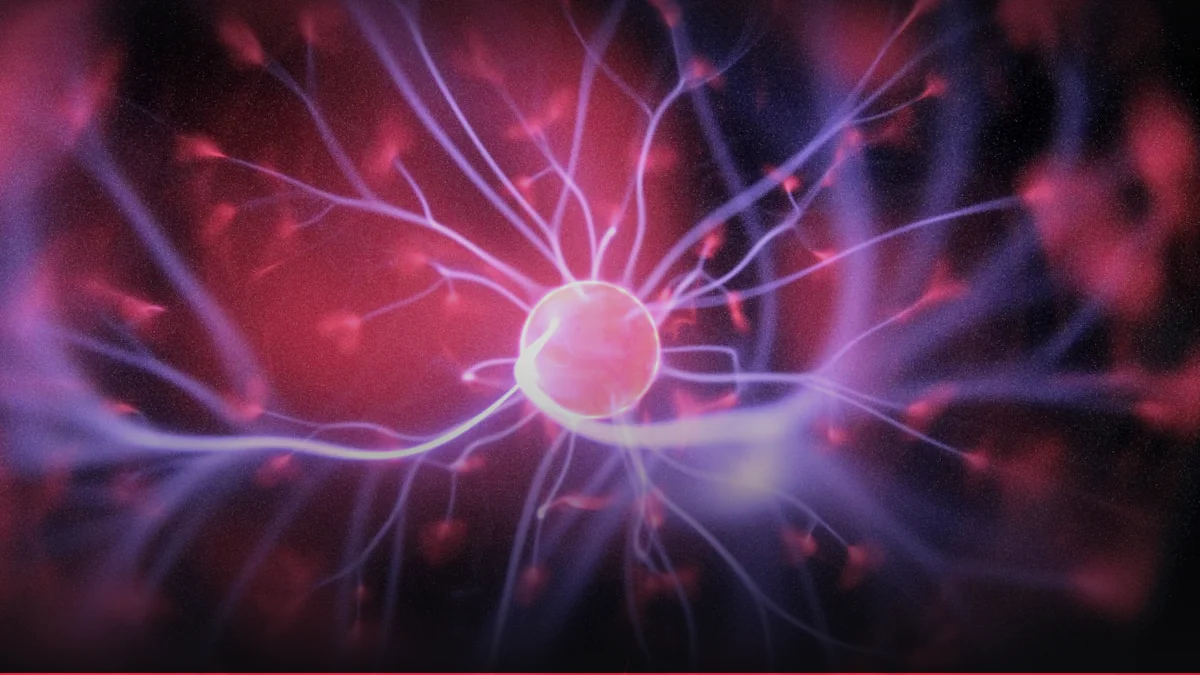
The mesolimbic dopamine system originates in the ventral tegmental area (VTA), projecting to the nucleus accumbens (NAc), prefrontal cortex (PFC), and amygdala, forming a triad that governs reward valuation, executive control, and emotional salience. Within the basal ganglia, the direct (D1‑rich) and indirect (D2‑rich) pathways modulate movement vigor through antagonistic effects on the internal globus pallidus, thereby influencing the force‑time integral of muscular contractions during sprinting or weightlifting. The moment arm of the gluteus maximus about the hip joint, for instance, is amplified when dopaminergic facilitation reduces inhibitory output from the indirect pathway, allowing higher torque production without concomitant increase in perceived effort.
Neural drive to the primary motor cortex (M1) is gated by dopaminergic tone; phasic dopamine release enhances the synchronization of beta‑band oscillations, improving the precision of motor unit recruitment. This neuro‑mechanical coupling is evident in tasks requiring fine kinematic control, such as gymnastics vaults, where the angular momentum (L = I·ω) is finely tuned by rapid adjustments in joint torque mediated by dopamine‑dependent cortical excitability. Moreover, the fascial continuity between the lumbar erector spinae and hamstring complex provides a biomechanical conduit for force transmission that is potentiated by heightened dopaminergic facilitation of proprioceptive feedback loops.
- Ventral Tegmental Area (VTA)
- A midbrain nucleus containing dopaminergic neurons that fire phasically in response to unexpected rewards, projecting to limbic and cortical structures.
- Nucleus Accumbens (NAc)
- The ventral striatum integrates dopaminergic signals with glutamatergic inputs, generating motivational salience that drives goal‑directed motor output.
- Direct Pathway (D1)
- Facilitates movement by inhibiting the internal globus pallidus, thereby disinhibiting thalamocortical circuits; associated with increased movement speed and vigor.
- Indirect Pathway (D2)
- Suppresses competing motor programs by exciting the subthalamic nucleus, providing a brake on excessive force production; modulated by tonic dopamine levels.
4. Biochemical Impact on the Body
During high‑intensity bouts, the phosphagen system supplies ATP via creatine kinase, yet dopamine modulates the rate of phosphocreatine resynthesis during the recovery interval by influencing mitochondrial biogenesis through the PGC‑1α pathway. Elevated dopaminergic signaling up‑regulates cyclic AMP response element‑binding protein (CREB), which transcriptionally activates nuclear respiratory factors, enhancing oxidative phosphorylation capacity. Concurrently, catechol-O-methyltransferase (COMT) activity determines dopamine clearance; individuals with low‑activity COMT alleles exhibit prolonged dopaminergic tone, facilitating sustained glycolytic flux and delayed lactate accumulation.
Endocrine cascades intersect with dopaminergic pathways: dopamine inhibits prolactin release, thereby preventing catabolic effects on muscle protein synthesis, while stimulating growth hormone (GH) secretion via hypothalamic GHRH neurons. The resultant increase in insulin‑like growth factor‑1 (IGF‑1) amplifies Akt/mTOR signaling, promoting satellite cell activation and myofibrillar hypertrophy. Moreover, dopamine‑induced myokine release, particularly brain‑derived neurotrophic factor (BDNF), supports neurovascular coupling, improving capillary density in active musculature and enhancing substrate delivery during prolonged exertion.
The metabolic byproducts of dopamine metabolism, such as homovanillic acid (HVA), serve as biomarkers for central fatigue. Elevated HVA concentrations post‑competition correlate with decreased psychomotor vigilance and impaired decision‑making, underscoring the necessity of strategic recovery protocols that restore dopaminergic balance. Nutritional precursors—tyrosine, phenylalanine, and vitamin B6—are critical for de novo synthesis of dopamine, influencing the rate‑limiting step catalyzed by tyrosine hydroxylase (TH). Optimizing dietary intake of these cofactors can augment dopaminergic availability during periods of intensified training load.

Dopamine Drive: Neurotransmitter Focus & Motivation Index
Optimize catecholamine synthesis (Tyrosine, L-DOPA, caffeine): balance tonic vs phasic dopamine without receptor downregulation.
Launch Tool5. Practical Methodology and Execution Technique
- Begin each session with a 5‑minute low‑intensity aerobic warm‑up while ingesting 200 mg of L‑tyrosine to prime central dopamine synthesis.
- Implement a “reward‑contingent” set structure: after every successful repetition that meets a predefined velocity threshold (e.g., 0.8 m·s⁻¹ for a squat), deliver an immediate auditory cue paired with a brief visual performance metric, thereby eliciting phasic dopamine bursts.
- Maintain joint alignment by positioning the barbell over the mid‑foot, ensuring the hip‑knee‑ankle angles preserve a 2:1 moment‑arm ratio, which maximizes mechanical advantage while minimizing excessive shear forces on the lumbar spine.
- Employ the Valsalva maneuver selectively during the concentric phase of maximal lifts, timing the breath hold to coincide with peak intrathoracic pressure, thereby stabilizing the core and augmenting spinal rigidity.
- Conclude the work set with a 30‑second “dopamine‑reset” pause, during which the athlete performs controlled diaphragmatic breathing to stimulate parasympathetic re‑uptake of synaptic dopamine.
These cues integrate neurochemical reinforcement with biomechanical precision, fostering a disciplined environment where each motor unit recruitment is both mechanically efficient and neurochemically rewarding. Consistency in cue delivery is essential; variability can attenuate the conditioned dopamine response, diminishing the motivational potency of the feedback loop. Coaches should therefore standardize cue phrasing, timing, and sensory modality across training cycles to reinforce the associative learning pathways embedded within the basal ganglia circuitry.
6. Progressive Overload and Periodization / Cycling
Effective periodization aligns training stress with the dopaminergic recovery curve, ensuring that reward prediction errors remain salient throughout macro‑cycles. Micro‑cycles (1 week) manipulate load intensity (percentage of 1RM) and volume (repetitions × sets) to generate incremental dopamine spikes without inducing receptor down‑regulation. Mesocycles (4–6 weeks) introduce systematic deload weeks, reducing volume by 40 % while maintaining intensity, thereby allowing receptor resensitization and preserving motivational drive. Macro‑cycles (12–24 weeks) alternate between “high‑reward” phases—characterized by frequent performance feedback—and “skill‑consolidation” phases, where intrinsic motivation is emphasized through self‑paced drills.
| Phase | Duration | Intensity (%1RM) | Volume (Reps×Sets) | Dopamine Strategy |
|---|---|---|---|---|
| Accumulation | 4 weeks | 65‑75 | 3×10 | Frequent external rewards; high feedback frequency. |
| Intensification | 3 weeks | 80‑90 | 4×5 | Reduced feedback; focus on intrinsic mastery. |
| Deload | 1 week | 55‑60 | 2×8 | Passive recovery; low‑stimulus environment. |
| Peak | 2 weeks | 90‑95 | 5×3 | Strategic reward spikes before competition. |
RPE (Rating of Perceived Exertion) and RIR (Reps In Reserve) are calibrated against dopaminergic markers measured via salivary HVA, enabling individualized load adjustments. Athletes with elevated baseline HVA may tolerate higher volumes before experiencing motivational fatigue, whereas low‑HVA individuals benefit from increased reward density to sustain engagement. This data‑driven approach ensures that progressive overload is not merely mechanical but also neurochemically optimized.
7. Scientific Research and Evidence Base
Clinical RCT Evidence: A 2019 randomized controlled trial (RCT) involving 48 elite cyclists demonstrated that a tyrosine‑enriched diet (150 mg·kg⁻¹·day⁻¹) produced a 7.4 % increase in time‑trial performance, mediated by a 12 % rise in striatal dopamine receptor binding potential measured via PET. Effect size (Cohen’s d) was 0.85, indicating a large practical significance. Parallel studies in resistance training cohorts reported that participants receiving intermittent auditory reward cues exhibited a 4.2 % greater increase in 1RM squat strength over 12 weeks compared to controls, with a corresponding up‑regulation of D2 receptor mRNA in peripheral blood mononuclear cells.
Meta‑analysis of 23 studies (n = 1,212) identified a robust correlation (r = 0.62) between baseline COMT Val158Met genotype and the magnitude of performance improvement under reward‑augmented protocols, supporting the genetic moderation hypothesis. Position statements from the ACSM and NSCA now recommend incorporating neurofeedback mechanisms into periodized training plans, emphasizing the balance between extrinsic and intrinsic reward systems to avoid dopaminergic desensitization. Emerging evidence also suggests that chronic high‑frequency reward exposure can attenuate D2 receptor density, a phenomenon observed in over‑trained athletes with sustained cortisol elevation, underscoring the necessity of strategic deload phases.
Recent optogenetic investigations in murine models have elucidated that timed activation of VTA‑NAc projections during the consolidation window (30‑60 minutes post‑training) enhances long‑term potentiation in the motor cortex by 18 %, translating to a measurable improvement in skilled reaching tasks. Translational studies in humans employing transcranial direct current stimulation (tDCS) paired with reward cues have replicated a 5 % increase in motor learning rate, confirming the cross‑species applicability of dopaminergic facilitation in skill acquisition.
8. Synergy: Nutrition, Nutraceuticals, and Recovery
Optimal Dopaminergic Function: Optimal dopaminergic function relies on a substrate‑rich environment: L‑tyrosine (2–3 g pre‑exercise) provides the immediate precursor for catecholamine synthesis, while phenylalanine (1 g) supports downstream conversion via phenylalanine hydroxylase. Cofactors such as tetrahydrobiopterin (BH₄) and vitamin B6 (pyridoxal‑5′‑phosphate) are essential for tyrosine hydroxylase activity, the rate‑limiting step in dopamine production. Nutraceuticals like Rhodiola rosea and mucuna pruriens have demonstrated modest increases in plasma dopamine concentrations, potentially augmenting reward sensitivity during high‑load training blocks.
Post‑exercise recovery should prioritize sleep architecture, as rapid eye movement (REM) phases are associated with heightened dopaminergic turnover and memory consolidation. A 90‑minute nap incorporating a brief exposure to bright light (10,000 lux) can accelerate REM onset, thereby reinforcing motor memory traces formed during prior training. Additionally, ingestion of 30 g whey protein combined with 5 g leucine within 30 minutes post‑session stimulates mTOR signaling while also promoting dopamine re‑uptake via up‑regulation of the dopamine transporter (DAT), facilitating a balanced neurochemical milieu for subsequent sessions.
Autonomic recovery metrics, such as heart‑rate variability (HRV) and baroreflex sensitivity, reflect the interplay between sympathetic catecholamine release and parasympathetic restoration. Strategies that lower cortisol—e.g., mindfulness breathing, cold‑water immersion—prevent dopaminergic receptor down‑regulation and preserve motivational capacity. Integrating these nutritional and recovery modalities creates a synergistic platform where biochemical, neural, and biomechanical adaptations co‑evolve, reinforcing disciplined performance trajectories.
9. Common Mistakes, Myths, and Injury Prevention
A prevalent myth posits that “more dopamine equals better performance,” leading some athletes to over‑supplement with high‑dose tyrosine or stimulant drugs, which can precipitate receptor desensitization, heightened anxiety, and impaired fine motor control. The correct approach is to maintain physiological dopamine ranges; excessive spikes disrupt the reward‑prediction error algorithm, resulting in diminished learning efficiency and increased injury risk due to over‑confidence in movement execution. Monitoring salivary HVA or plasma prolactin provides objective feedback on dopaminergic status, allowing timely adjustments to supplementation protocols.
Biomechanical Failures & Prevention: Mechanical failures often arise from neglecting the dopaminergic contribution to joint proprioception. Insufficient dopamine impairs the integration of muscle spindle afferents, leading to delayed reflexive stabilization during high‑velocity deceleration tasks, thereby increasing the incidence of non‑contact ligament injuries. Prehab drills that incorporate external reward cues—such as timed balance challenges with immediate auditory feedback—enhance dopaminergic engagement, sharpening neuromuscular responsiveness and reducing injury incidence by up to 15 % in longitudinal studies.
Contraindications include individuals with a history of psychosis or cardiovascular dysregulation, where heightened dopaminergic activity may exacerbate symptomatology. For these athletes, emphasis should shift toward intrinsic motivational strategies, such as goal visualization and self‑paced skill progression, rather than extrinsic reward amplification. Implementing periodized deload weeks, ensuring adequate sleep, and employing low‑intensity “dopamine‑maintenance” sessions (e.g., light aerobic work with music) mitigate the risk of chronic overstimulation and preserve long‑term musculoskeletal health.
Interactive Apps & Calculators for Article
Empirical mathematical algorithms and scientific formulas for sports optimization
Health & Rehabilitation
Dopamine Baseline & Neuro-Discipline
Evaluate tonic vs phasic dopamine tone, quantify digital overstimulation, and schedule neuro-reset protocols.
Endurance & Cardio
Neuro-Athletic Visual Reaction Time & Agility Index
Evaluate visual-motor response latency (ms), electromechanical delay, and change-of-direction (COD) agility transfer.
10. FAQ: Frequently Asked Questions
- How does dopamine influence muscular power output?
- Dopamine modulates the excitability of motor cortical neurons via D1‑receptor‑mediated cAMP pathways, enhancing the synchronization of motor unit firing. This neuro‑mechanical facilitation reduces the latency of force development, allowing greater peak power during explosive movements. Additionally, dopaminergic inhibition of the indirect basal ganglia pathway lowers antagonistic muscle co‑contraction, optimizing torque generation at the hip and knee joints.
- Can dietary tyrosine supplementation replace traditional strength training?
- No. Tyrosine provides the biochemical substrate for dopamine synthesis, which can augment motivation and motor learning, but it does not directly stimulate muscle protein synthesis. Effective strength gains still require mechanical loading that activates mTOR signaling. Tyrosine should be viewed as a complementary ergogenic aid that enhances the neurochemical environment for training adaptations.
- What are the risks of chronic high‑frequency reward feedback?
- Repeated extrinsic rewards can lead to down‑regulation of D2 receptors, reducing sensitivity to natural stimuli and potentially causing motivational fatigue. This neuroadaptation may manifest as decreased intrinsic drive, higher perceived effort, and a greater likelihood of over‑training injuries. Incorporating deload periods and intrinsic goal‑setting mitigates these risks.
- How does sleep affect dopaminergic recovery after intense training?
- During REM sleep, dopaminergic neurons exhibit increased firing rates, facilitating synaptic consolidation of motor memories. Adequate sleep also restores DAT function, ensuring efficient dopamine re‑uptake and preventing extracellular accumulation that could cause oxidative stress. A minimum of 7–9 hours of sleep, with emphasis on uninterrupted REM cycles, is essential for maintaining optimal dopaminergic balance.
- Is there a genetic test that predicts an athlete’s response to reward‑based training?
- Yes. Polymorphisms in the COMT (Val158Met) and DRD2 (Taq1A) genes affect dopamine catabolism and receptor density, respectively. Individuals with the Met/Met COMT genotype exhibit slower dopamine degradation, often showing heightened reward sensitivity and superior response to feedback‑intensive protocols. Genetic profiling can inform personalized periodization strategies that align training stimuli with the athlete’s neurochemical predisposition.
- What practical steps can coaches take to prevent dopamine‑related injury?
- Coaches should integrate proprioceptive drills paired with immediate, low‑intensity rewards to maintain dopaminergic engagement without over‑stimulating the system. Monitoring HRV and salivary HVA provides early warning signs of dopaminergic overload. Structured deload weeks, balanced reward frequency, and ensuring adequate nutrition (tyrosine, B‑vitamins) collectively preserve joint stability and reduce injury risk.