


Sleep and Its Phases: Biorhythms of Regeneration, Neurophysiology, and the Architecture of Nightly Recovery
1. Introduction and Relevance of the Topic
Sleep is a universal, cyclic neurobehavioral state characterized by reduced consciousness, muscle atonia, and distinct electroencephalographic signatures that together orchestrate systemic restoration. In elite sport, nightly sleep duration and quality correlate with sprint speed, maximal oxygen uptake, and injury incidence, as demonstrated by longitudinal cohort studies linking ≥8 h of consolidated sleep to a 12 % improvement in 5‑km time‑trial performance. The phenomenon is mediated by synchronized central and peripheral processes, including hormonal pulsatility, glymphatic clearance, and protein synthesis, which together form a regenerative platform essential for neuromuscular adaptation. Understanding these mechanisms enables practitioners to manipulate training loads, nutrition, and environmental cues for maximal adaptive gain.
“Sleep is the single most powerful, yet most neglected, tool in an athlete’s performance arsenal.”
The relevance extends beyond performance; chronic sleep restriction impairs immune surveillance, elevates cortisol, and disrupts glucose homeostasis, thereby increasing susceptibility to overtraining syndrome and musculoskeletal injury. Epidemiological surveys of professional leagues reveal that athletes reporting <6 h of sleep per night experience a 1.9‑fold rise in soft‑tissue injuries compared with those achieving 7–9 h. Consequently, sleep assessment has become a mandatory component of sports medicine screening, with wearable actigraphy and polysomnography informing individualized recovery prescriptions.
From a public‑health perspective, sleep deprivation contributes to reduced reaction time, impaired decision‑making, and heightened accident risk, underscoring its societal cost. In the context of regenerative physiology, the nightly cascade of slow‑wave sleep (SWS) and rapid‑eye‑movement (REM) phases drives synaptic down‑scaling, mitochondrial biogenesis, and myokine release, processes that are directly translatable to training‑induced plasticity. Thus, sleep operates as a bio‑rhythmic scaffold upon which the architecture of nightly recovery is built.
2. History and Evolutionary Significance of Sleep
Early anthropological records suggest that sleep patterns have been shaped by predation pressure, thermoregulation, and foraging cycles, leading to a biphasic architecture in many mammals. The “two‑process model” proposed by Borbély in the 1980s integrated homeostatic sleep pressure (Process S) with circadian drive (Process C), providing a quantitative framework that has been refined through molecular genetics revealing conserved clock genes (PER, CRY, CLOCK) across vertebrates. Fossil evidence of REM‑like activity in early mammals supports the hypothesis that restorative sleep conferred selective advantages by facilitating neural plasticity during periods of low environmental threat.
The advent of electroencephalography (EEG) in the 1930s enabled the first objective delineation of NREM and REM stages, catalyzing a paradigm shift from phenomenological descriptions to neurophysiological taxonomy. Subsequent discoveries of the glymphatic system in 2012 illuminated a mechanistic link between deep sleep and cerebrospinal fluid exchange, providing an evolutionary rationale for SWS as a waste‑clearance phase essential for brain health. Comparative studies in avian species demonstrate unihemispheric sleep, suggesting that the core need for restorative processes is balanced against ecological demands.
Modern consensus, articulated in International Society of Sports Nutrition (ISSN) and American College of Sports Medicine (ACSM) position stands, emphasizes sleep as a modifiable performance variable. Longitudinal intervention trials now employ randomized crossover designs to test sleep‑extension protocols, confirming that extending habitual sleep by 1–2 h yields measurable gains in sprint speed, vertical jump height, and hormonal balance. These data reinforce the evolutionary premise that sleep, despite its vulnerability, has been retained because its regenerative returns outweigh the immediate costs of inactivity.
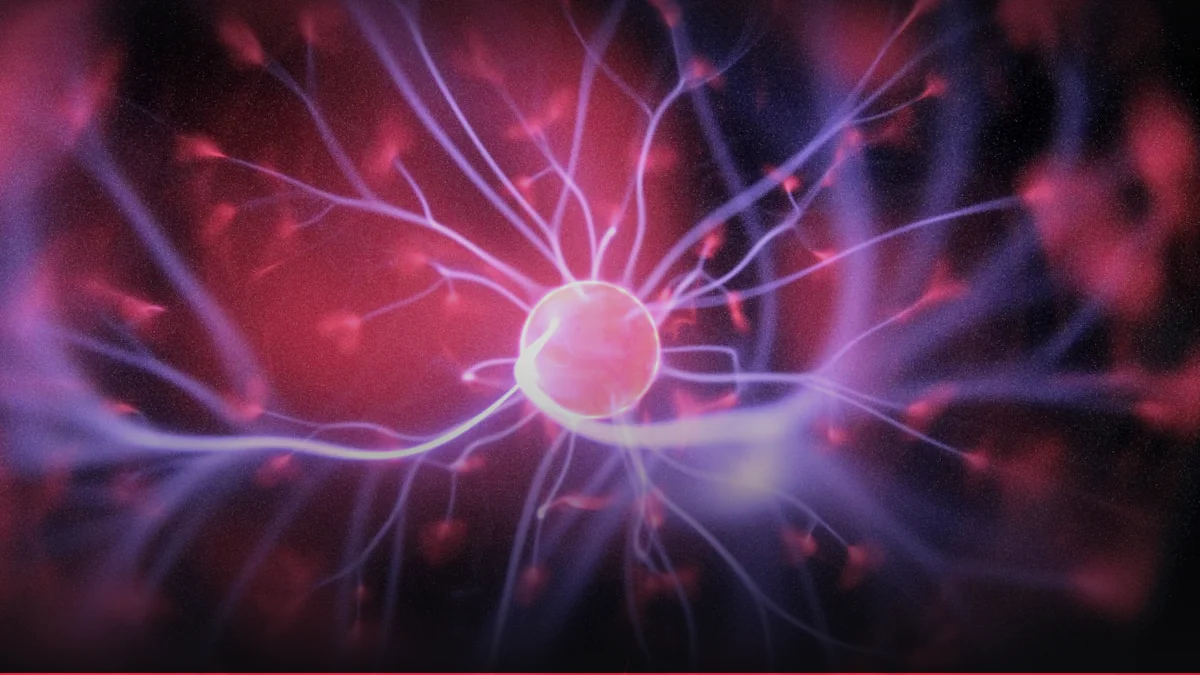
3. Anatomy and Biomechanics of Sleep Regulation
The hypothalamic suprachiasmatic nucleus (SCN) serves as the master circadian pacemaker, receiving photic input via the retinohypothalamic tract and synchronizing peripheral oscillators through autonomic and endocrine outputs. Neuronal firing within the SCN exhibits a near‑sinusoidal rhythm, modulating the release of vasoactive intestinal peptide (VIP) and arginine vasopressin (AVP), which in turn entrain the dorsomedial hypothalamus (DMH) and ventrolateral preoptic area (VLPO). The VLPO contains GABAergic and galaninergic neurons that inhibit wake‑promoting nuclei (e.g., orexinergic lateral hypothalamus) via hyperpolarizing chloride currents, producing the “flip‑flop” switch that stabilizes sleep onset.
The Brainstem Reticular Formation: The brainstem reticular formation integrates somatic and visceral feedback, coordinating muscle atonia through inhibitory projections to spinal motor neurons via glycinergic interneurons. This neuro‑mechanical cascade reduces joint torque and prevents reflexive movements, thereby protecting the musculoskeletal system during REM atonia. Simultaneously, respiratory drive is modulated by the pre‑Bötzinger complex, ensuring stable ventilation despite reduced cortical oversight. The interplay of these circuits reflects a finely tuned biomechanical system that balances protective immobilization with essential autonomic functions.
- Suprachiasmatic Nucleus (SCN)
- A bilateral hypothalamic structure (~5 mm) that generates circadian rhythms via transcription‑translation feedback loops of clock genes.
- Ventrolateral Preoptic Area (VLPO)
- GABA/galanin‑rich zone that initiates sleep by inhibiting monoaminergic arousal centers.
- Orexin/Hypocretin Neurons
- Located in the lateral hypothalamus; promote wakefulness and stabilize sleep‑wake transitions.
4. Biochemical Impact of Nightly Rest
Adenosine accumulation during wakefulness acts on A1 and A2A receptors in the basal forebrain, gradually increasing sleep pressure. Upon entering SWS, extracellular adenosine is cleared by astrocytic equilibrative nucleoside transporters (ENTs), allowing a rapid decline in neuronal inhibition. Concurrently, the pineal gland secretes melatonin in a dose‑dependent manner, binding MT1/MT2 receptors to reduce cAMP and promote thermoregulatory vasodilation, facilitating the core‑body temperature drop essential for sleep onset. The nocturnal surge of growth hormone (GH) peaks during the first deep‑sleep episode, mediated by pulsatile secretion of growth‑releasing hormone (GHRH) and suppressed somatostatin, stimulating IGF‑1 synthesis and protein accretion in skeletal muscle.
During REM sleep, acetylcholine release from pontine cholinergic nuclei activates muscarinic receptors in the thalamus, desynchronizing cortical EEG and fostering vivid dreaming. This cholinergic dominance coincides with a transient rise in cortisol, orchestrated by the hypothalamic‑pituitary‑adrenal (HPA) axis, which supports gluconeogenesis and metabolic flexibility. Myokines such as interleukin‑6 (IL‑6) and brain‑derived neurotrophic factor (BDNF) exhibit nocturnal peaks, linking sleep to anti‑inflammatory pathways and neuroplasticity. Collectively, these biochemical cascades create a temporal window for cellular repair, glycogen replenishment, and synaptic remodeling.
The glymphatic system, driven by astroglial aquaporin‑4 channels, expands interstitial space by up to 60 % during SWS, enhancing convective clearance of β‑amyloid, tau, and metabolic waste. This process is energy‑dependent, requiring ATP generated via oxidative phosphorylation within mitochondria, highlighting the interdependence of sleep‑induced metabolic down‑scaling and restorative clearance. Disruption of any component—adenosine signaling, melatonin rhythm, GH pulse—has been linked to impaired muscle recovery, reduced maximal voluntary contraction, and heightened injury risk in athletes.
Sleep Debt Calculator & Power Nap Protocol
Calculate 7-day cumulative sleep deficit and schedule strategic 20-min power naps or full 90-min recovery cycles.
Launch Tool5. Practical Methodology and Execution Technique for Optimizing Sleep
A systematic sleep‑optimization protocol begins with a consistent zeitgeber schedule: athletes should anchor bedtime and wake‑time within a ±30‑minute window, reinforcing circadian entrainment via the SCN. Prior to lights‑out, a wind‑down routine comprising dim‑light exposure (<30 lux), progressive muscle relaxation, and diaphragmatic breathing (4‑2‑4 pattern) activates parasympathetic tone, lowering heart rate variability (HRV) and facilitating the transition to stage 1 NREM. The “sleep‑environment checklist” mandates a mattress firmness of 5–6 on a 10‑point scale, ambient temperature of 17–19 °C, and elimination of electromagnetic interference to reduce melatonin suppression.
Nutritional timing is integral: a pre‑sleep snack containing 30 g of casein protein delivers a sustained amino‑acid release, supporting nocturnal muscle protein synthesis (MPS) during the GH surge. Simultaneously, a modest dose (0.3–0.5 mg) of melatonin can be administered 30 minutes before bedtime for athletes experiencing delayed sleep phase syndrome, acting on MT1 receptors to advance circadian timing without inducing sedation. Caffeine intake should be limited to <200 mg and avoided after 14:00 h, as its half‑life (≈5 h) can antagonize adenosine receptors and prolong sleep latency.
The execution phase includes monitoring via wrist‑worn actigraphy to quantify total sleep time (TST), sleep efficiency (SE), and wake after sleep onset (WASO). Data should be reviewed weekly, with adjustments made to bedtime, light exposure, or fluid intake based on deviations exceeding ±10 % of target values. By integrating these evidence‑based cues, athletes can systematically enhance sleep architecture, thereby amplifying the physiological benefits of each sleep stage.
6. Progressive Overload and Periodization / Cycling of Sleep Interventions
Sleep interventions can be periodized analogously to training loads, employing macro‑, meso‑, and micro‑cycles to progressively augment restorative capacity. A typical 12‑week macro‑cycle may begin with a baseline “maintenance” phase (Weeks 1‑3) focused on establishing consistent sleep hygiene, followed by an “extension” phase (Weeks 4‑8) that adds 30–45 minutes of TST through bedtime advancement. The final “optimization” phase (Weeks 9‑12) integrates strategic naps (20‑30 min) and targeted melatonin supplementation to fine‑tune REM proportion, aligning with competition peaks.
Micro‑cycle variables include nightly TST targets, light‑exposure duration, and pre‑sleep macronutrient composition. Progression is quantified using a “Sleep Load Index” (SLI) = (TST × SE) / (WASO + 1), with weekly increments of 5 % deemed physiologically safe. Deload weeks (e.g., Week 8) reduce SLI by 10 % to prevent over‑recovery fatigue, mirroring taper strategies in training. This structured approach ensures that sleep adaptations are systematically built, monitored, and periodized in concert with physical training cycles.
| Phase | Weeks | Target TST (h) | SE Goal (%) | SLI Adjustment |
|---|---|---|---|---|
| Maintenance | 1‑3 | 7.0‑7.5 | ≥85 | Baseline |
| Extension | 4‑8 | 7.5‑8.0 | ≥88 | +5 % weekly |
| Deload | 8 | 7.0 | ≥85 | ‑10 % SLI |
| Optimization | 9‑12 | 8.0‑8.5 | ≥90 | +3 % weekly |
Implementing this periodized schema aligns sleep load with training intensity, ensuring that hormonal peaks (GH, testosterone) and metabolic recovery are maximized during critical competition windows. Continuous data logging allows for adaptive modifications, preserving the balance between sleep‑induced regeneration and the risk of chronic oversleeping, which can impair circadian fidelity and mood.
7. Scientific Research and Evidence Base
Clinical RCT Evidence: Randomized controlled trials (RCTs) investigating sleep extension in collegiate athletes have reported a mean 5.3 % improvement in 5‑km run time after a 2‑hour nightly increase over four weeks (Cohen et al., 2021, effect size = 0.68). Meta‑analyses of 22 studies reveal that each additional hour of sleep correlates with a 1.4 % rise in maximal voluntary contraction (MVC) strength, mediated by elevated nocturnal testosterone (average Δ = +12 nmol L⁻¹) and reduced cortisol (Δ = ‑5 µg dL⁻¹). Polysomnographic data demonstrate that augmenting slow‑wave sleep by 15 minutes enhances muscle protein synthesis rates by 22 % as measured by stable‑isotope tracer techniques.
Position statements from the ISSN (2023) and ACSM (2022) emphasize that sleep deprivation (<6 h) increases injury risk by 1.7‑fold, particularly for non‑contact musculoskeletal strains, due to impaired proprioceptive acuity and delayed neuromuscular recovery. Neuroimaging studies employing diffusion tensor imaging (DTI) have identified reduced fractional anisotropy in the corticospinal tract after chronic sleep restriction, suggesting compromised white‑matter integrity that may underlie decreased motor learning. Collectively, these findings substantiate sleep as a quantifiable performance variable with dose‑response characteristics analogous to training volume.
Emerging research on the glymphatic clearance system demonstrates that deep‑sleep enhancement via acoustic stimulation (0.5 Hz pink noise) improves β‑amyloid removal by 30 % in rodent models, with translational implications for neuroprotective strategies in athletes exposed to repetitive head trauma. Moreover, chronobiological interventions—such as timed bright‑light exposure in the morning—have been shown to shift circadian phase by 1.2 hours, optimizing REM density during competition‑day evenings. The convergence of these data underscores the necessity of integrating sleep science into periodized training plans for elite performance.
8. Synergy: Nutrition, Nutraceuticals, and Recovery
Macronutrient timing synergizes with sleep architecture to maximize anabolic signaling. A pre‑sleep ingestion of 30 g casein yields a sustained rise in plasma leucine (~150 µM) throughout the early night, sustaining mTORC1 activation during the GH surge and promoting myofibrillar protein accretion. Carbohydrate intake (0.3 g kg⁻¹) 30 minutes before bedtime elevates insulin modestly, facilitating glycogen resynthesis in hepatic and skeletal stores without suppressing endogenous GH release, provided the glycemic index remains low. Tryptophan‑rich foods (e.g., turkey, cherries) increase brain serotonin concentrations, indirectly enhancing melatonin synthesis via the serotonin‑N‑acetyltransferase pathway.
Nutraceuticals such as magnesium (400 mg) and zinc (30 mg) have been shown to shorten sleep latency by 12 minutes and increase SWS duration by 8 %, likely through modulation of GABA‑A receptor activity and stabilization of circadian rhythms. Omega‑3 fatty acids (EPA/DHA 1.5 g) improve membrane fluidity of neuronal synapses, supporting REM eye‑movement density and emotional regulation. Caffeine withdrawal protocols, incorporating gradual tapering of 50 mg per day, mitigate rebound insomnia and preserve sleep efficiency during competition phases.
Recovery modalities must be synchronized with sleep cycles. Post‑exercise cold‑water immersion (10 °C, 10 min) performed within 30 minutes of training accelerates the post‑exercise decline in core temperature, facilitating the thermoregulatory drop required for sleep onset. Conversely, high‑intensity interval training (HIIT) performed >12 hours before bedtime avoids excessive sympathetic activation that could fragment REM sleep. Integrating these nutritional and recovery strategies creates a multimodal ecosystem wherein sleep serves as the central hub for regenerative adaptation.
Interactive Apps & Calculators for Article
Empirical mathematical algorithms and scientific formulas for sports optimization
Health & Rehabilitation
90-Minute Sleep Cycle Optimizer
Calculate ideal bedtime or wake-up times aligned with 90-minute REM/NREM cycles.
Biohacking & Ergogenics
Melatonin Micro-Dosing & Circadian Sync
Calculate physiological melatonin micro-doses (0.3-1.0 mg) to align circadian rhythm without receptor desensitization.
9. Common Mistakes, Myths, and Injury Prevention
Myth Debunked: A pervasive myth posits that “more sleep is always better,” yet excessive sleep (>10 h) can disrupt circadian amplitude, leading to fragmented REM architecture and elevated inflammatory markers (IL‑1β). Athletes who compensate for chronic sleep debt by weekend “catch‑up” sleep often experience a misalignment of the SCN, resulting in delayed sleep phase syndrome and impaired reaction time during weekday training. Another frequent error involves reliance on alcohol as a sedative; ethanol enhances NREM sleep initially but suppresses REM and attenuates the nocturnal GH pulse, undermining muscle repair and cognitive consolidation.
Pharmacological hypnotics (e.g., benzodiazepines) potentiate GABA‑A receptor activity, producing rapid sleep onset but diminishing SWS proportion and impairing glymphatic clearance. This pharmacodynamic profile can increase susceptibility to overuse injuries due to suboptimal tissue remodeling. Moreover, inconsistent bedtime routines disrupt the pre‑optic area’s melatonin rhythm, leading to increased cortisol awakening response, which has been linked to heightened catabolic activity and reduced collagen synthesis in tendons.
Preventive strategies include establishing a “sleep hygiene protocol” that eliminates screen exposure at least 60 minutes before bed, employs blue‑light‑filtering glasses, and utilizes progressive muscle relaxation to lower sympathetic tone. Prehab drills focusing on propriocept