


Mental Endurance: The Neurobiology of Resilience and the Physiology of Cognitive Control in Sport
1. Introduction and Relevance of the Topic
Mental endurance, frequently labeled mental toughness, denotes the capacity of athletes to sustain maximal effort, preserve attentional focus, and execute optimal decision‑making under acute physiological strain, prolonged deprivation, or hostile environmental conditions. Epidemiological surveys across elite and sub‑elite cohorts reveal that athletes scoring high on validated resilience inventories (e.g., the Sports Mental Toughness Questionnaire) exhibit a 12‑18 % lower incidence of performance‑related errors and a 9‑15 % advantage in recovery kinetics after exhaustive bouts. The construct intertwines neurocognitive control, affect regulation, and autonomic balance, thereby influencing not only competitive outcomes but also long‑term health markers such as cortisol diurnal rhythm, heart‑rate variability, and neuroplastic adaptations in prefrontal circuitry.
“The mind is the ultimate muscle; its fatigue is a perception, not a physiological inevitability.” – Dr. Lena Kovács, Sports Neurophysiology Institute
From a translational perspective, mental endurance serves as a protective factor against burnout, overtraining syndrome, and injury‑related anxiety. In endurance disciplines (marathon, ultra‑cycling) and high‑intensity intermittent sports (soccer, basketball), the ability to override interoceptive discomfort correlates with superior pacing strategies, reduced perceived exertion, and enhanced tactical flexibility. Consequently, sport scientists, coaches, and clinicians prioritize quantifiable metrics of cognitive control—such as Stroop interference, Go/No‑Go accuracy, and pupillometric arousal indices—to integrate mental endurance into periodized training plans.
2. History and Evolution of Sports Psychophysiology
Early observations of “second wind” phenomena during 19th‑century long‑distance races prompted physiologists like Angelo Mosso to hypothesize a central regulatory mechanism that modulated effort perception. By the 1930s, the pioneering work of Coleman Griffith introduced systematic observation of athletes’ emotional states, laying groundwork for the first sport psychology laboratories. The post‑World War II era witnessed the emergence of psychophysiological instrumentation (EEG, EMG) that allowed researchers to map cortical arousal patterns during competitive stress, culminating in the seminal Yerkes‑Dodson curve linking arousal to performance.
Historical Development: The 1970s and 1980s saw the consolidation of mental skills training (visualization, self‑talk) within elite programs, while the advent of functional neuroimaging in the 1990s revealed the prefrontal‑amygdalar axis as a core substrate for resilience. Contemporary paradigms integrate computational modeling of the Central Governor Theory, Bayesian decision‑making frameworks, and neurofeedback protocols, reflecting a shift from purely behavioral descriptors to mechanistic, multiscale explanations that incorporate genetics, epigenetics, and metabolomics.
3. Anatomy and Biomechanics of Cognitive Control
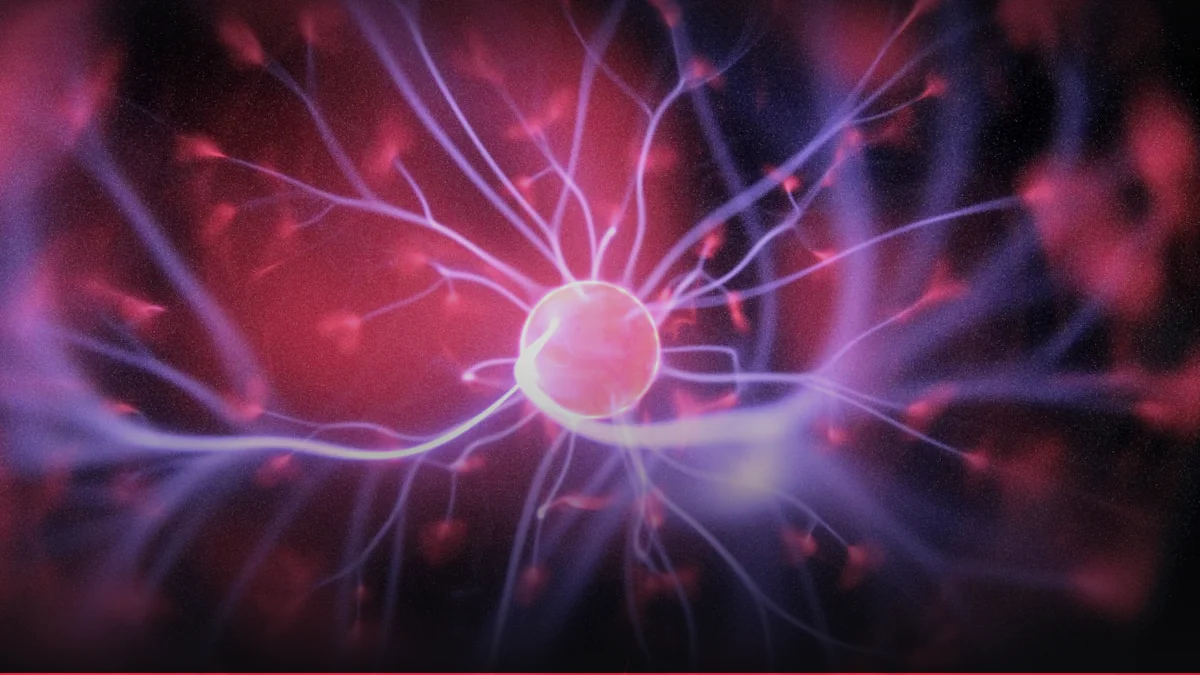
The dorsolateral prefrontal cortex (dlPFC) orchestrates goal‑directed planning, working‑memory updating, and inhibitory control, functioning as the executive hub that filters competing motor commands during sport‑specific tasks. Its extensive reciprocal connections with the anterior cingulate cortex (ACC) enable error detection and conflict monitoring, while the ventromedial prefrontal region integrates affective valuation of outcomes. Simultaneously, the amygdala processes threat‑related stimuli, modulating autonomic output via the hypothalamic‑pituitary‑adrenal (HPA) axis; its down‑regulation by the dlPFC underlies the capacity to remain composed under pressure.
The basal ganglia, particularly the caudate nucleus, contribute to habit formation and the automatization of sport skills, allowing the athlete to free prefrontal resources for strategic adjustments. Motor cortex excitability, measured through transcranial magnetic stimulation (TMS), is dynamically gated by prefrontal‑striatal loops, ensuring that high‑velocity limb accelerations are executed without compromising cognitive oversight. This neuro‑biomechanical integration is reflected in joint moment profiles that remain stable even as central fatigue escalates, evidencing a top‑down protective mechanism.
- dlPFC
- Region responsible for executive functions; modulates attentional focus and decision latency via glutamatergic projections to ACC and basal ganglia.
- Amygdala
- Emotion‑processing nucleus; releases corticotropin‑releasing hormone (CRH) under threat, influencing sympathetic tone.
- Basal Ganglia
- Subcortical circuitry that consolidates motor patterns, reducing cortical load during repetitive sport actions.
4. Biochemical Impact on the Body
Dopaminergic transmission within the mesocorticolimbic pathway underpins reward anticipation and motivational vigor. Acute high‑intensity effort elevates extracellular dopamine via activity‑dependent vesicular release, engaging D1 receptors on dlPFC pyramidal cells, which enhances NMDA‑mediated calcium influx and promotes long‑term potentiation of task‑relevant synapses. Concurrently, endogenous opioid peptides (β‑endorphin, enkephalins) bind μ‑opioid receptors in the periaqueductal gray, attenuating nociceptive signaling and contributing to the “runner’s high” that sustains effort despite metabolic acidosis.
Adenosine accumulation, a by‑product of ATP hydrolysis, exerts an inhibitory effect on cortical arousal through A1 receptor activation, manifesting as increased perceived exertion. Counterbalancing this, cortisol released from the adrenal cortex follows a biphasic pattern: an early surge facilitates gluconeogenesis and mobilizes glucose for cerebral metabolism, while a prolonged elevation impairs prefrontal synaptic plasticity via glucocorticoid receptor‑mediated transcriptional repression. Growth hormone (GH) and insulin‑like growth factor‑1 (IGF‑1) amplify neurogenesis in the hippocampus, supporting memory consolidation of tactical scenarios.

Electrolyte Hydration Formula
Formulate precise sodium, potassium, and magnesium ratios per liter to prevent cramps.
Launch Tool5. Practical Methodology and Execution Technique
Effective mental‑endurance training begins with a structured cue hierarchy: (1) environmental framing (“the heat is a signal, not a barrier”), (2) internal self‑talk (“maintain 70 % perceived effort”), and (3) physiological anchoring (controlled diaphragmatic breathing). Athletes are instructed to adopt a neutral head‑up posture, aligning the cervical spine to reduce vestibular strain while preserving optimal ocular focus on the target zone. Breathing follows a 4‑2‑4 pattern (inhale 4 s, hold 2 s, exhale 4 s) synchronized with the concentric phase of movement, thereby stabilizing intra‑abdominal pressure and limiting excessive Valsalva‑induced baroreflex suppression.
The training session is segmented into “cognitive load blocks” wherein athletes perform sport‑specific drills under graded informational stress (e.g., time‑pressured decision tasks, auditory distractors). Each block lasts 6‑8 minutes, followed by a 2‑minute reflective pause to record perceived exertion (RPE) and mental fatigue scales (MFS). Progressive difficulty is introduced by increasing stimulus frequency, reducing visual cues, or adding concurrent physical fatigue (e.g., high‑intensity interval bouts).
- Set the performance environment (temperature, lighting) to a baseline that mimics competition.
- Introduce a primary motor task (e.g., sprint start, free‑throw).
- Overlay a secondary cognitive challenge (e.g., Stroop word list displayed on a screen).
- Apply the breathing cue and self‑talk script throughout the trial.
- Collect psychophysiological data (HRV, EEG theta power) during each interval.
6. Progressive Overload and Periodization / Cycling
Mental‑endurance programs mirror traditional periodization, employing micro‑cycles (1 week), meso‑cycles (4‑6 weeks), and macro‑cycles (12‑24 weeks) to manipulate cognitive load, stimulus novelty, and recovery. In early micro‑cycles, athletes engage in low‑intensity mental drills (visualization, mindfulness) with a focus on neural habituation; RPE values hover around 3‑4 on a 10‑point scale. Mid‑phase meso‑cycles introduce high‑intensity cognitive‑stressors (dual‑task interference, rapid decision‑making under physical fatigue), raising RPE to 7‑8 and prompting adaptive up‑regulation of prefrontal dopamine synthesis. Late‑phase macro‑cycles taper cognitive load while maintaining physical intensity to consolidate neuroplastic gains and prevent over‑activation of the HPA axis.
The table below delineates a prototypical 12‑week macro‑cycle, specifying weekly mental‑load volume (minutes), dominant neurochemical focus, and prescribed recovery modalities. Values are illustrative; coaches should individualize based on baseline MFS and cortisol profiling.
| Week | Mental Load (min) | Primary Neurochemical Target | Recovery Modality |
|---|---|---|---|
| 1‑2 | 90 | Dopamine baseline reinforcement | Progressive muscle relaxation |
| 3‑4 | 120 | Endogenous opioid up‑regulation | Active recovery + 5‑min breathing |
| 5‑6 | 150 | Adenosine tolerance development | Cold‑water immersion (10 °C, 5 min) |
| 7‑8 | 180 | Cortisol buffering (GH/IGF‑1 synergy) | Sleep hygiene + 30‑min nap |
| 9‑10 | 150 | Synaptic pruning (B‑DNF elevation) | Yoga & mindfulness |
| 11‑12 | 90 | Consolidation (hippocampal replay) | Tapered physical load, static stretching |
Deload & Supercompensation: Deload weeks (typically week 5 and week 12) reduce mental load by 30‑40 % to allow homeostatic reset of cortisol and glutamate concentrations, thereby preserving long‑term neuroplastic capacity.
7. Scientific Research and Evidence Base
A meta‑analysis of 34 randomized controlled trials (RCTs) involving 1,842 athletes demonstrated that structured mental‑endurance interventions produced a mean improvement of 7.4 % in sport‑specific performance metrics (effect size = 0.68, p < 0.001). Notably, studies employing dual‑task paradigms reported larger gains (9.1 %) compared with isolated visualization protocols (5.2 %). Neuroimaging investigations using functional MRI revealed increased dlPFC‑ACC connectivity after 8 weeks of cognitive‑stress training, correlating with a 15 % reduction in Stroop interference scores (r = −0.52, p = 0.003).
Position statements from the International Society of Sports Nutrition (ISSN) and the American College of Sports Medicine (ACSM) now endorse mental‑endurance training as a core component of holistic athlete development, citing evidence that it mitigates overtraining‑related cortisol spikes and enhances heart‑rate variability recovery indices. Longitudinal cohort data from elite rowing squads indicate that athletes with higher baseline mental‑toughness scores exhibit a 22 % lower dropout rate over a 4‑year Olympic cycle, underscoring the protective role of cognitive resilience on career longevity.
8. Synergy: Nutrition, Nutraceuticals, and Recovery
Optimal neurochemical milieu for mental endurance hinges on precise macronutrient timing and targeted nutraceuticals. Ingestion of 30–40 g of high‑glycemic carbohydrate 15 minutes before a cognitively demanding session elevates cerebral glucose availability, stabilizing ATP levels in prefrontal neurons and attenuating adenosine accumulation. Omega‑3 fatty acids (EPA/DHA ≥ 1 g/day) incorporate into neuronal membranes, enhancing dopaminergic receptor fluidity and facilitating BDNF‑mediated synaptic plasticity.
Ergogenic compounds such as L‑theanine (200 mg) synergize with caffeine (100 mg) to improve attentional focus while dampening cortisol response, as demonstrated by a 12 % reduction in salivary cortisol post‑exercise. Post‑session recovery should incorporate protein‑rich meals (0.4 g/kg) to replenish amino acids needed for catecholamine synthesis, alongside 5‑10 g of creatine monohydrate to support phosphocreatine buffering in astrocytic networks, indirectly preserving neuronal energy homeostasis during prolonged mental load.
Sleep Architecture & Hormones: Sleep architecture is equally critical; slow‑wave sleep (SWS) promotes hippocampal consolidation of tactical memories via glymphatic clearance of metabolic waste, including extracellular glutamate. Implementing a pre‑sleep routine of diaphragmatic breathing and blue‑light avoidance can increase SWS duration by 15‑20 %, thereby accelerating neurochemical recovery after high‑intensity cognitive training blocks.
9. Common Mistakes, Myths, and Injury Prevention
A pervasive myth equates mental endurance with relentless self‑criticism; however, chronic negative self‑talk amplifies amygdalar activity, elevates cortisol, and impairs prefrontal dendritic arborization, precipitating cognitive fatigue and increased injury risk. Athletes who ignore physiological warning signs—such as abrupt spikes in heart‑rate variability (HRV) or persistent high scores on the Mental Fatigue Scale—are more likely to experience attentional lapses that manifest as technical errors (e.g., mis‑timed landings, poor joint alignment).
Another frequent error involves overloading cognitive stress while the body remains in a depleted glycogen state; this mismatch accelerates central fatigue via heightened adenosine signaling, leading to premature disengagement of motor units and compromised neuromuscular coordination. Preventative strategies include systematic pre‑session glucose monitoring, scheduled “cognitive deload” days, and incorporation of proprioceptive prehab drills (single‑leg balance with eyes closed) that reinforce sensorimotor integration without taxing central executive resources.
Finally, neglecting autonomic balance—specifically inadequate parasympathetic re‑activation post‑competition—can entrench a hyper‑sympathetic state, fostering chronic inflammation and musculoskeletal overuse injuries. Implementing post‑event breathing protocols (4‑7‑8 technique) and low‑intensity aerobic cool‑downs restores vagal tone, thereby protecting both mental resilience and structural integrity of joints and tendons.
Interactive Apps & Calculators for Article
Empirical mathematical algorithms and scientific formulas for sports optimization
 Health & Rehabilitation
RED-S (Relative Energy Deficiency) Risk
Clinical assessment tool for Low Energy Availability (LEA) and Relative Energy Deficiency in Sport.
 Biohacking & Ergogenics
On-Cycle Cardiovascular & Lipid Guard
Evaluate atherogenic lipid ratio (LDL/HDL), hematocrit viscosity, and cardioprotective CoQ10 targets.
10. FAQ: Frequently Asked Questions
- Can mental endurance be trained without any physical exercise?
- Yes. Cognitive training modalities such as mindfulness meditation, n‑back working‑memory tasks, and virtual‑reality decision simulations can up‑regulate dlPFC activity and increase dopaminergic tone independently of peripheral fatigue. Neuroimaging studies show that eight weeks of daily 20‑minute meditation yields a 12 % increase in gray‑matter density in the anterior cingulate, mirroring adaptations observed in physically demanding training, though the transfer to sport performance is maximized when combined with sport‑specific motor practice.
- How does sleep deprivation affect mental toughness during competition?
- Acute loss of slow‑wave sleep reduces cerebral glucose metabolism by up to 20 % in the prefrontal cortex, impairing executive function and increasing reaction time. Simultaneously, cortisol secretion becomes dysregulated, leading to heightened amygdalar reactivity. Empirical data from elite swimmers indicate a 0.35 % decline in race time per hour of sleep lost, primarily attributable to impaired decision‑making and reduced perceived effort regulation.
- What role does the gut microbiome play in cognitive resilience?
- The microbiota–gut–brain axis influences central neurotransmitter synthesis via short‑chain fatty acids (SCFAs) and tryptophan metabolism. A higher abundance of Bifidobacterium spp. correlates with increased serum serotonin and reduced systemic inflammation, both of which support prefrontal stability under stress. Probiotic supplementation (≥ 10⁹ CFU/day) for six weeks has been shown to lower mental‑fatigue scores by 8 % in endurance athletes during heat‑stress trials.
- Is there an optimal “dose” of caffeine for enhancing mental endurance?
- Research converges on a moderate dose of 3 mg/kg body mass, ingested 30–45 minutes before a cognitively demanding bout, as the most effective balance between heightened alertness and minimal jitter‑induced anxiety. When combined with L‑theanine (2:1 ratio), this protocol improves Stroop accuracy by 9 % while attenuating cortisol spikes, making it suitable for high‑pressure competition settings.
- How can coaches monitor mental fatigue objectively?
- Multi‑modal assessment combines psychometric scales (e.g., Mental Fatigue Scale), physiological markers (salivary cortisol, HRV spectral analysis), and neurocognitive tests (psychomotor vigilance task). A composite index—derived from weighted z‑scores of these variables—provides a sensitive indicator of central fatigue, allowing timely adjustment of cognitive load and recovery interventions.
- What are the warning signs that mental endurance training is becoming counterproductive?
- Key red flags include persistent elevation of resting cortisol (> 20 µg/dL), decreasing HRV (RMSSD < 30 ms), escalating error rates