


Prebiotics: Strategic Microbiome Nutrition for the Athlete's Systemic Health
1. Introduction and Relevance of the Topic
Prebiotics are specific food components, primarily complex carbohydrates and dietary fibers, that are not digested in the human small intestine but serve as an ideal substrate for the nourishment and growth of beneficial microflora. Unlike probiotics, which are the bacteria themselves, prebiotics are the "fertilizer" that allows the athlete's own protective microorganisms to thrive and effectively perform their functions.
The relevance of prebiotics in modern sports is linked to the understanding that the gut is the foundation of immunity and metabolism. High-protein diets, typical of many sports, are often devoid of sufficient fiber, leading to dysbiosis, inflammatory processes, and impaired nutrient absorption. The use of prebiotics allows for the maintenance of a healthy "gut-brain-muscle" axis, which is critically important for consistent performance.
Prebiotics are not just fiber; they are a strategic resource that transforms your gut into a powerful laboratory for the production of vitamins, short-chain fatty acids, and protective factors.
2. History and Evolution of the Issue
The concept of prebiotics was officially formulated by Marcel Roberfroid and Glenn Gibson in 1995. Prior to this, scientists viewed fiber only as a means to improve intestinal peristalsis (roughage). However, the discovery that certain fibers selectively stimulate the growth of bifidobacteria and lactobacilli changed the paradigm of nutrition. Active research began into inulin, fructooligosaccharides (FOS), and galactooligosaccharides (GOS).
The evolution of prebiotic use in sports has traveled from being ignored (as unnecessary food volume) to the recognition of their critical role in mineral and vitamin absorption. In the 2000s, prebiotics began to be mass-added to sports bars and protein blends to negate the negative impact of protein excess on the gut. This allowed athletes to avoid bloating and discomfort when consuming large portions of food.
Modern evolution is focused on personalized prebiotics and their synergy with probiotics (synbiotics).
3. Anatomy and Physiology (GI Tract Function)
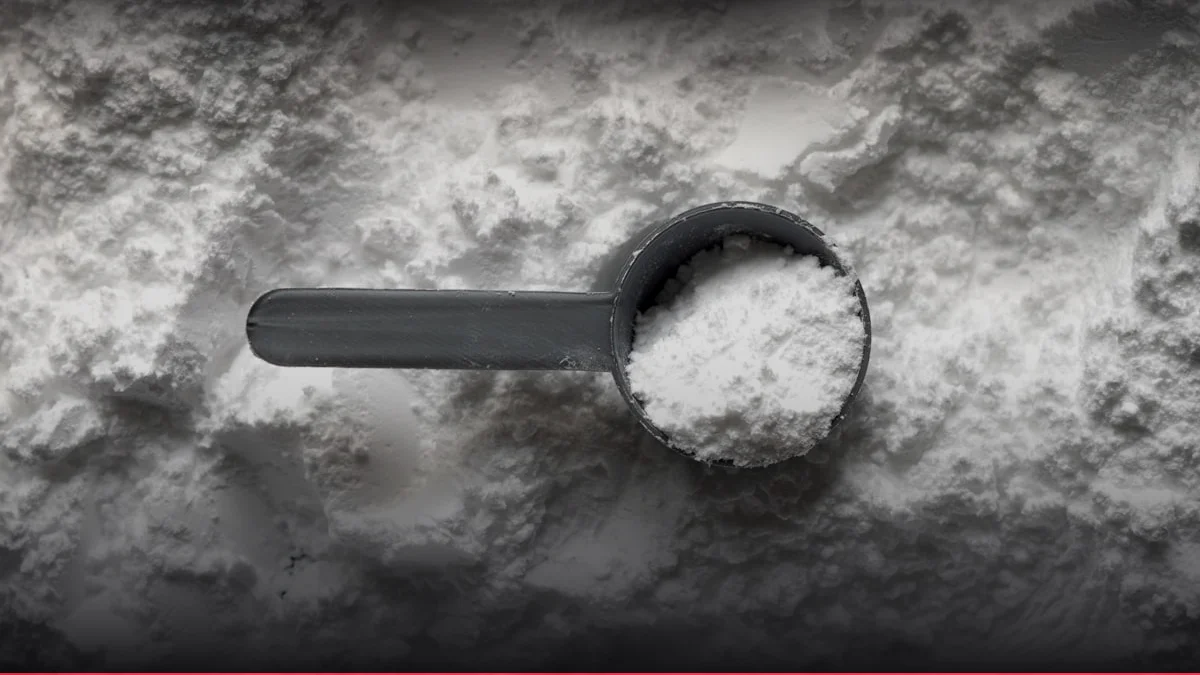
The anatomical role of prebiotics is realized in the large intestine. Since they pass through the stomach and small intestine in transit, they reach the lower parts of the GI tract unchanged. There, they undergo fermentation by bacteria, leading to the formation of short-chain fatty acids (SCFA) such as butyrate, acetate, and propionate. These acids are the primary energy source for colonocytes—the cells of the intestinal lining.
For the athlete, the anatomy of a healthy gut means strong "tight junctions" between cells. In a prebiotic deficiency, the mucosa thins, which can lead to endotoxins entering the bloodstream. This causes systemic inflammation, which slows down the recovery of muscles and ligaments after loads.
- Trophic Function
- Providing nourishment to intestinal cells, which supports its barrier function and prevents villi atrophy.
- pH Modulation
- The fermentation of prebiotics lowers the pH level in the gut, creating unfavorable conditions for pathogenic bacteria and fungi.
Prebiotics also influence the biomechanics of digestion by ensuring an optimal rate of food transit.
4. Biochemical Impact on the Body
The biochemistry of prebiotics is primarily the biochemistry of short-chain fatty acids (SCFA). Butyrate, formed during the breakdown of inulin or resistant starch, has pronounced anti-carcinogenic and anti-inflammatory properties. It acts as a regulator of gene expression responsible for glucose and fat metabolism, increasing muscle sensitivity to insulin.
Another important biochemical vector is the improvement of mineral absorption. Studies show that prebiotics increase the absorption of calcium and magnesium in the large intestine. For strength athletes, this means stronger bones and stable operation of neuromuscular synapses, which is critical for preventing cramps and injuries.
| Prebiotic Type | Source | Biochemical Effect |
|---|---|---|
| Inulin | Chicory, Jerusalem artichoke | Bifidobacteria growth, sugar reduction |
| FOS | Onions, garlic, bananas | Butyrate synthesis, mucosal protection |
| Resistant Starch | Cooled potatoes, rice | Improved insulin sensitivity |
| Pectin | Apples, citrus fruits | Binding of toxins and cholesterol |
The biochemical response to prebiotic intake also includes the regulation of cholesterol levels. Soluble fibers bind bile acids in the gut, forcing the liver to use blood cholesterol to synthesize new acids.

Prebiotic Fiber Titration: Inulin & Resistant Starch
Titrate fructooligosaccharides and resistant starch dosing (5-15 g) to optimize short-chain fatty acid (butyrate) synthesis.
Launch Tool5. Practical Methodology and Technique
The methodology of introducing prebiotics into the diet requires gradualness. A sharp increase in fiber consumption can cause temporary bloating, flatulence, and discomfort, as the microflora needs time to adapt. The main rule is to start with small doses and mandatory increase in water intake.
- Dosage: Start with 3-5 g of prebiotic supplements (inulin, FOS) per day. The target norm for an athlete is 10-15 g of supplements against a background of 30-35 g of fiber from whole foods.
- Timing: Can be taken at any time, but best alongside main meals or added to an evening protein shake.
- Hydration: For every 5 g of additional fiber, at least 200 ml of pure water must be consumed to avoid constipation.
If you use inulin, choose the long-chain molecule form—it ferments slower and is typically better tolerated by the GI tract than short-chain FOS.
Technically, prebiotics are produced in powder form, which easily dissolves in water, juices, or yogurts.
6. Progression of Loads and Integration into the Plan
Prebiotics are a key tool for maintaining health during high-calorie phases (mass gaining). When food volume grows, the GI tract is subjected to colossal pressure. Prebiotics help the microflora cope with processing large portions of nutrients, ensuring stable energetics for load progression without systemic intoxication.
- Mass Gaining Period: Mandatory use to support digestion and micronutrient absorption.
- Competition Preparation Period: Focus on prebiotics to support immunity, which often drops against a background of strict dieting and stress.
- Transition Period (Recovery): Used for deep detoxification and microbiome restoration after the competition season.
It is important to remember that progression in sports is impossible without high-quality fuel absorption. If your gut works inefficiently, 30% of consumed amino acids and vitamins simply do not enter the bloodstream.
7. Analysis of Scientific Research and Evidence Base
The evidence base for prebiotics is actively being supplemented with clinical data. A study published in the "British Journal of Nutrition" demonstrated that regular inulin intake increases satiety levels and helps control appetite, which is critical for athletes during weight loss periods. This occurs through the stimulation of PYY and GLP-1 hormone release in the gut.
Regarding athletic results: a study involving elite swimmers showed that the group taking a combination of prebiotics and probiotics had 40% fewer missed training sessions due to upper respiratory tract infections. This confirms the systemic immunomodulating action of prebiotic microbiome nourishment.
Scientific data also points to the role of prebiotics in reducing systemic inflammation. A 2019 meta-analysis recorded a decrease in C-reactive protein (an inflammatory marker) in patients and athletes consuming fermented fibers.
8. Synergy: Nutrition, Nutraceuticals, and Recovery
Prebiotics work best in synergy with probiotics—this tandem is called a synbiotic. Probiotics introduce beneficial bacteria, while prebiotics provide them with resources for survival and colonization. Beyond this, there is a powerful synergy with polyphenols (antioxidants from berries, tea, cocoa), which also selectively stimulate the growth of friendly flora.
- Prebiotics + Probiotics: Maximum microbiome restoration after antibiotics or severe stress.
- Prebiotics + Glutamine: A double blow for intestinal lining recovery ("sealing" a leaky gut).
- Prebiotics + Magnesium: Improved mineral absorption and nervous system support via the "gut-brain" axis.
In daily nutrition, it is important to combine supplements with natural sources of prebiotics: asparagus, artichokes, legumes, and sauerkraut.
9. Common Mistakes, Myths, and Prevention of Injury
The main myth is that prebiotics are only needed for constipation. In reality, their primary role is metabolic and immune, and stool regulation is merely a beneficial side effect. Another mistake is believing that all types of fiber are prebiotics. For example, bran (insoluble fiber) cleans the gut excellently but is almost not fermented by bacteria, so it is not a prebiotic.
- Searching for a "Magic" Prebiotic: The best result comes from a variety of fiber types (inulin + pectin + FOS).
- Ignoring Discomfort: If a certain type of fiber causes severe bloating for more than a week, the prebiotic source should be changed.
- Consuming Without Water: Can lead to stool impaction and the opposite effect—constipation.
Regarding Injury Prevention: gut health directly influences fascia elasticity. Chronic intoxication due to dysbiosis makes connective tissue brittle.
Interactive Apps & Calculators for Article
Empirical mathematical algorithms and scientific formulas for sports optimization
10. FAQ: Answers to the Most Common Questions
- Are prebiotics addictive?
- No, they are natural food components. However, upon their sudden withdrawal, the microbiome may return to its previous state within a few weeks.
- Can prebiotics be taken with candidiasis?
- Yes, but under medical supervision. Certain prebiotics help beneficial bacteria displace Candida fungi by changing the environmental pH.
- Do prebiotics help with weight loss?
- Yes, they create a long-lasting feeling of satiety and improve fat metabolism via SCFA, facilitating diet adherence.
- Are prebiotics safe for children?
- Yes, they are often added to infant formulas for the proper formation of the child's immunity and digestive system.
- Which form is best for an athlete: powder or capsules?
- Powder is usually better, as it allows for easily obtaining the necessary large dose (5-10 g), which is difficult to fit into capsules.