

Proteins in the Athletic Diet: The Biochemistry of Amino Acid Synthesis, Nitrogen Homeostasis, and Molecular Mechanisms of Hypertrophy
1. Introduction and Relevance of the Topic
Proteins are the fundamental macromolecules of life, serving as the primary building material for all tissues in the human body, especially skeletal muscle. In the world of sports, protein is the most critical nutrient, as it provides the amino acids necessary for repairing muscle fiber microtrauma sustained during training. Without adequate protein consumption, any physical exertion leads not to growth but to catabolism and systemic exhaustion.
The relevance of this topic is driven by the need for a precise understanding of protein requirements and types for various athletic disciplines. Many athletes either consume excessive amounts of protein, overloading the kidneys and liver, or conversely, suffer from hidden deficiencies that stifle their progress. Understanding the biochemical processes of amino acid absorption, the role of leucine as an anabolic trigger, and the maintenance of a positive nitrogen balance is the key to building an ideal athletic physique. In this article, we will examine the physiology of protein digestion, explore the molecular mTOR pathway, and learn to strategically utilize different protein sources to achieve peak results in strength, endurance, and recovery speed.
Protein is the brick of your body. You can have the best builders (training) and the best plan (genetics), but without bricks, your house will never be built.
2. History and Evolution of the Issue
The term "protein" (from the Greek "proteios"—primary) was introduced in 1838 by the chemist Gerardus Mulder, highlighting the fundamental significance of these compounds. Throughout the 19th and early 20th centuries, it was believed that protein was the sole source of energy for muscle work. Athletes of that time consumed massive quantities of meat, sometimes up to 3-4 kg per day, believing that "strength comes from the flesh."
The evolution of perspectives in sports during the 1960s and 70s led to the emergence of the first protein supplements (usually low-quality dried milk powder or soy isolate). In the 1990s, a breakthrough in filtration technologies gave the world whey protein, which became the gold standard due to its incredible absorption speed. Today, protein science focuses not just on quantity but on the amino acid profile (PDCAAS), bioavailability, and the timing of consumption. We have traveled from simple "eat more meat" to understanding the importance of essential amino acids (EAA) and the role of the leucine threshold in activating muscle synthesis. The modern athlete uses protein as a high-precision tool for manipulating the anabolic environment.

3. Anatomy and Physiology of the Process
The physiology of protein metabolism is a complex cycle of breakdown (digestion) and synthesis (anabolism).
- Digestion and Hydrolysis
- The process begins in the stomach under the action of hydrochloric acid and the enzyme pepsin, which denature protein chains. Final breakdown into peptides and free amino acids occurs in the small intestine under the action of pancreatic proteases (trypsin, chymotrypsin). Only free amino acids and some dipeptides can enter the bloodstream through the intestinal villi.
- Nitrogen Balance
- This is a physiological indicator of the difference between nitrogen consumed (from protein) and nitrogen excreted (via urine, sweat). To grow muscle, an athlete must remain in a state of positive nitrogen balance, where protein intake exceeds its breakdown.
- The Amino Acid Pool
- Physiologically, the body does not have a large "storage facility" for protein similar to fat depots. All free amino acids reside in the blood and intercellular fluid, forming a "pool" that is constantly replenished. If the pool is empty, the body begins to break down its own muscles to meet the needs of vital organs.
Physiologically, protein also performs transport functions (hemoglobin), protective functions (immune antibodies), and regulatory functions (hormones like insulin).
4. Biochemical Impact on the Body
At the biochemical level, protein consumption triggers the cell's primary anabolic cascade—the mTOR pathway.
- **mTOR Activation:** Biochemically, this protein complex acts as a nutrient sensor. When the concentration of amino acids (especially leucine) rises in the cell, mTOR is activated and commands the ribosomes to begin assembling new muscle proteins. - **Gluconeogenesis:** In the case of acute carbohydrate deficiency, the body can biochemically convert amino acids into glucose in the liver. This is energetically inefficient and leads to muscle loss; therefore, protein always works better when accompanied by carbohydrates. - **Thermic Effect of Food (TEF):** Protein has the highest TEF of all macronutrients. Biochemically, the body spends up to 30% of the energy derived from protein on its own digestion and metabolism. This makes a protein-rich diet effective for fat burning. - **Urea Synthesis:** Excess protein is biochemically broken down, releasing ammonia (a toxic substance), which the liver converts into urea for excretion by the kidneys. This process requires a large amount of water.
Biochemically, protein quality is determined by its amino acid score—the presence of all 9 essential amino acids in the correct proportion.
| Amino Acid | Type | Role for the Athlete |
|---|---|---|
| Leucine | Essential (BCAA) | Primary trigger of protein synthesis (mTOR) |
| Glutamine | Conditionally Essential | Immune support, recovery of the GI lining |
| Arginine | Conditionally Essential | Nitric oxide precursor (pumping) |
| Lysine | Essential | Collagen synthesis, calcium absorption |
Protein & Macronutrient Split
Calculate optimal protein (1.6-2.6 g/kg), essential fats, and performance carbs.
Launch Tool5. Practical Methodology and Technique
Building a protein strategy is based on consumption standards and sources.
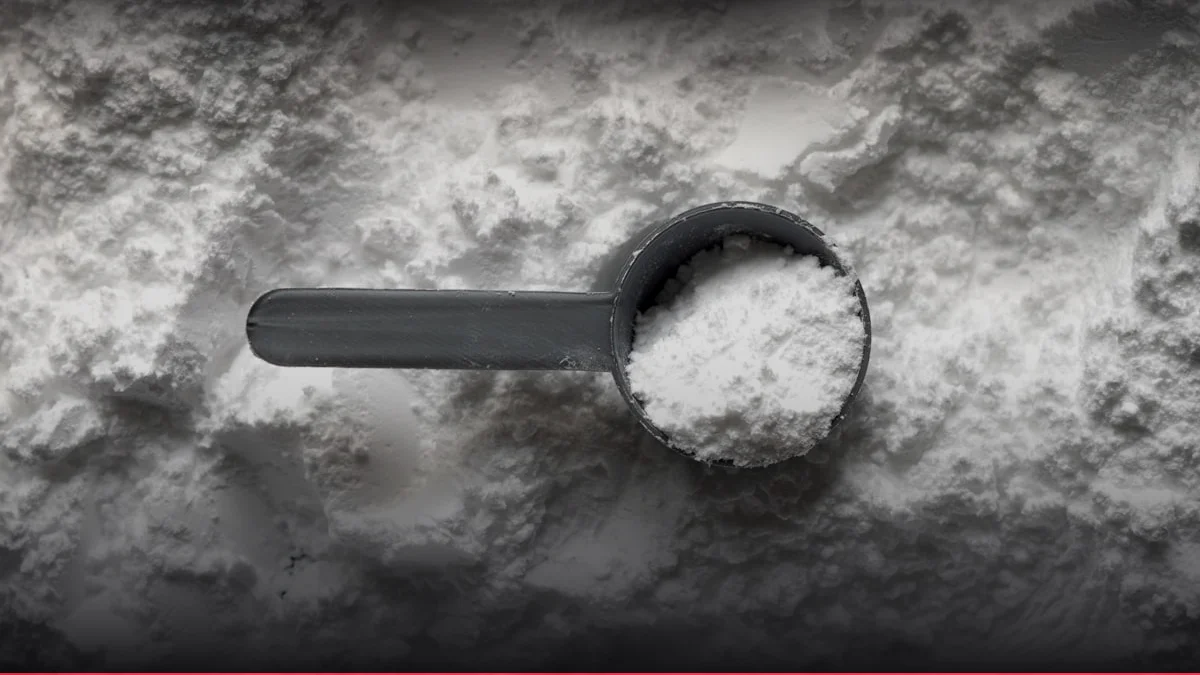
1. **Standards for Athletes:** - **Endurance:** 1.2-1.5 g per kg of body weight. - **Strength Disciplines (Gaining):** 1.8-2.2 g per kg. - **Weight Loss (Muscle Preservation):** up to 2.5-3.0 g per kg. 2. **Protein Sources:** Priority should be given to animal proteins (eggs, dairy products, meat, fish) as they have a complete amino acid profile. Plant proteins should be combined (e.g., rice + legumes) to compensate for deficient amino acids. 3. **Types of Supplements (Proteins):** - **Whey:** Fast-acting (ideal post-workout). - **Casein:** Slow-acting (ideal before sleep). - **Isolate:** Purified of lactose and fats (for "cutting"). 4. **Portioning:** It is optimal to divide the daily requirement into 4-5 servings of 30-50g of protein. This maintains a stable MPS throughout the day. 5. **Hydration:** With high protein intake, be sure to drink 1-1.5 liters more water to facilitate kidney function.
Do not try to consume all your protein at once. The body is not a warehouse; it can only efficiently use a certain amount of amino acids per unit of time.
6. Progression of Loads and Integration into the Plan
How does protein affect your ability to progress? - **Reduction of Damage (DOMS):** An adequate level of amino acids in the blood reduces the intensity of delayed onset muscle soreness, allowing for more frequent training. - **Structural Support:** Protein is necessary not only for muscles but also for strengthening ligaments and tendons. This prevents injuries as working weights increase. - **Energy Stability:** Protein provides satiety, allowing for adherence to a diet without lapses, thus maintaining stable weight and form.
It is recommended to use "protein timing": at least 30g of high-quality protein immediately after training and 40g of casein before sleep. This creates ideal conditions for overnight recovery.
7. Analysis of Scientific Research and Evidence Base
A 2018 meta-analysis (Morton et al.), which included 49 studies and 1,863 participants, confirmed that protein consumption exceeding 1.6 g per kg of body weight significantly enhances the effect of resistance training on muscle mass and strength. However, researchers also noted that beyond the threshold of 2.2 g per kg, additional benefits for muscle growth become minimal for natural athletes.
Another study in the "Journal of Nutrition" proved the concept of the "leucine threshold": approximately 2-3 g of leucine per meal is needed to activate protein synthesis in young individuals. This explains why a small amount of protein (e.g., 10g) does not trigger anabolism as effectively as a 30-40g serving. Furthermore, the myth that protein is harmful to the kidneys of healthy individuals has been scientifically debunked—studies lasting up to 2 years with a consumption of 3.4 g of protein per kg showed no negative changes in kidney function.
8. Synergy: Nutrition, Nutraceuticals, and Recovery
Protein works best in combination with: - **Carbohydrates:** The insulin released in response to carbohydrates acts as a transport hormone that "pushes" amino acids into muscle cells. - **Creatine:** A post-workout protein shake with creatine is a classic anabolic pair. - **Vitamin B6:** An essential cofactor for amino acid metabolism and hemoglobin synthesis. - **Digestive Enzymes:** Proteases (bromelain, papain) help break down complex proteins, minimizing bloating and heaviness.
The best synergy is "Protein + Low GI Carbohydrates + Training." This formula ensures that amino acids are used for their intended purpose—building your body.
9. Common Mistakes, Myths, and Prevention of Injury
The biggest mistake is neglecting carbohydrates in favor of protein alone. The body will begin to use protein as an expensive and "dirty" fuel, leading to intoxication and a lack of growth.
- **Myth 1: "The body can only absorb 30g of protein at a time."** This is untrue. The body will absorb it all; however, the rate of muscle protein synthesis eventually reaches a plateau. The remainder will be used for the needs of other organs or for energy.
- **Myth 2: "Plant protein doesn't work."** It does work, but it requires a larger volume and the combination of sources to obtain a full spectrum of amino acids.
- **Mistake 3: Low-quality supplements.** Many cheap proteins involve "amino spiking"—the addition of inexpensive amino acids (glycine, taurine) to fictitiously inflate the protein content on the label.
If you notice a constant smell of ammonia in your sweat or on your breath, it is a sign that you are consuming more protein than your body can process. Increase your intake of water and carbohydrates.
Interactive Apps & Calculators for Article
Empirical mathematical algorithms and scientific formulas for sports optimization
Sports Nutrition
Protein Distribution & Leucine Threshold
Split daily protein into optimal portions meeting the 2.7–3.5g leucine trigger for maximum Muscle Protein Synthesis.
Sports Nutrition
Post-Workout Anabolic Window Formula
Optimize post-workout macronutrient ratio (0.3g protein + 0.7g fast carbs per kg) to accelerate glycogen re-synthesis.
10. FAQ: Answers to the Most Common Questions
- Which protein is best for weight loss?
- Whey protein isolate. It contains almost no fats or carbohydrates, has a high thermic effect, and suppresses appetite effectively.
- Can I get enough protein without meat?
- Yes, through eggs, dairy products, and a combination of plant sources (soy, lentils, rice). However, this requires more attention to the diet.
- How much protein do older athletes need?
- With age, "anabolic resistance" occurs; therefore, older individuals (50+) may need even more protein per meal (40-50g) to activate synthesis as effectively as younger people.
- Is protein powder harmful?
- No, it is ordinary protein extracted from whey or other raw materials. It is not "chemicals" in the negative sense of the word.
- Can I drink protein at night?
- Yes, casein before sleep is the best way to protect muscles from overnight catabolism.
- How does protein affect bones?
- Positively. Bones are 50% protein (collagen). High protein consumption correlates with higher bone density in athletes.
- Is it mandatory to drink protein on rest days?
- Yes. Muscles recover and grow precisely during rest; therefore, the amino acid pool must remain full 24/7.