

Intermittent Fasting in Sports: The Biochemistry of Autophagy, Hormonal Resonance, and the Athlete's Metabolic Flexibility
1. Introduction and Relevance of the Topic
Intermittent Fasting (IF) is not a diet in the traditional sense, but a nutritional timing strategy that alternates periods of food consumption with periods of complete abstinence from calories. In modern sports and biohacking, IF has become one of the most popular tools for improving body composition, increasing insulin sensitivity, and stimulating cellular cleansing processes. Unlike a chronic calorie deficit, intermittent fasting allows an athlete to obtain sufficient nutrients within a short "eating window," which minimizes the slowing of metabolism.
The relevance of this topic is driven by the search for methods that allow athletes to effectively burn fat without losing muscle mass or decreasing performance. Understanding how periodic fasting affects growth hormone secretion and autophagy (the process of cellular self-cleansing) opens new possibilities for recovery and longevity in sports. In this article, we will examine the physiological aspects of IF, explore the biochemical changes that occur in the body during fasting, and learn how to adapt various fasting protocols (from 16/8 to OMAD) to specific training plans for achieving maximum results in strength and endurance.
Intermittent fasting is not about eating less. It is about eating less frequently, allowing your body to switch from storage mode to a mode of efficiently using its own resources.
2. History and Evolution of the Issue
Fasting as a practice has accompanied humanity throughout history. In the Paleolithic era, periods of forced hunger were a way of life, shaping our genes to be maximally adapted to alternating between abundance and food scarcity. In ancient Greece, Hippocrates and Plutarch recommended fasting as a means of treating illness and improving mental clarity. Religious fasts in Christianity, Islam, and Buddhism are also ancient forms of intermittent fasting aimed at purifying both body and spirit.
The evolution of IF in modern sports began in the early 2000s. Martin Berkhan, the founder of the Leangains system, became a pioneer in using the 16/8 protocol for bodybuilding, proving that it is possible to build muscle and become stronger without eating breakfast. Later, the discovery by Yoshinori Ohsumi (2016 Nobel Prize) regarding the mechanisms of autophagy provided IF with a high-level scientific foundation. Today, intermittent fasting is used by elite NFL and NBA athletes and triathletes as a method for improving metabolic flexibility. We have traveled from a fear of "losing muscle due to hunger" to an understanding that periodic abstinence from food can be a powerful anabolic driver by increasing the sensitivity of receptors to insulin and nutrients.
3. Anatomy and Physiology of the Process
The physiological impact of IF is based on the switching of energy substrates and the activation of cellular repair systems.
- Insulin Tranquility and Lipolysis
- During fasting, insulin levels drop to minimal values. This removes the blockade from the enzyme hormone-sensitive lipase, allowing the body to actively break down subcutaneous fat for energy. Physiologically, this process begins to dominate 12-14 hours after the last meal.
- The Process of Autophagy
- This is a physiological mechanism where a cell breaks down its own damaged proteins and organelles, converting them into energy or new building blocks. Autophagy reaches its peak after 16-18 hours of fasting, promoting tissue rejuvenation and reducing the risk of chronic diseases.
- Impact on the GI Tract and Microbiome
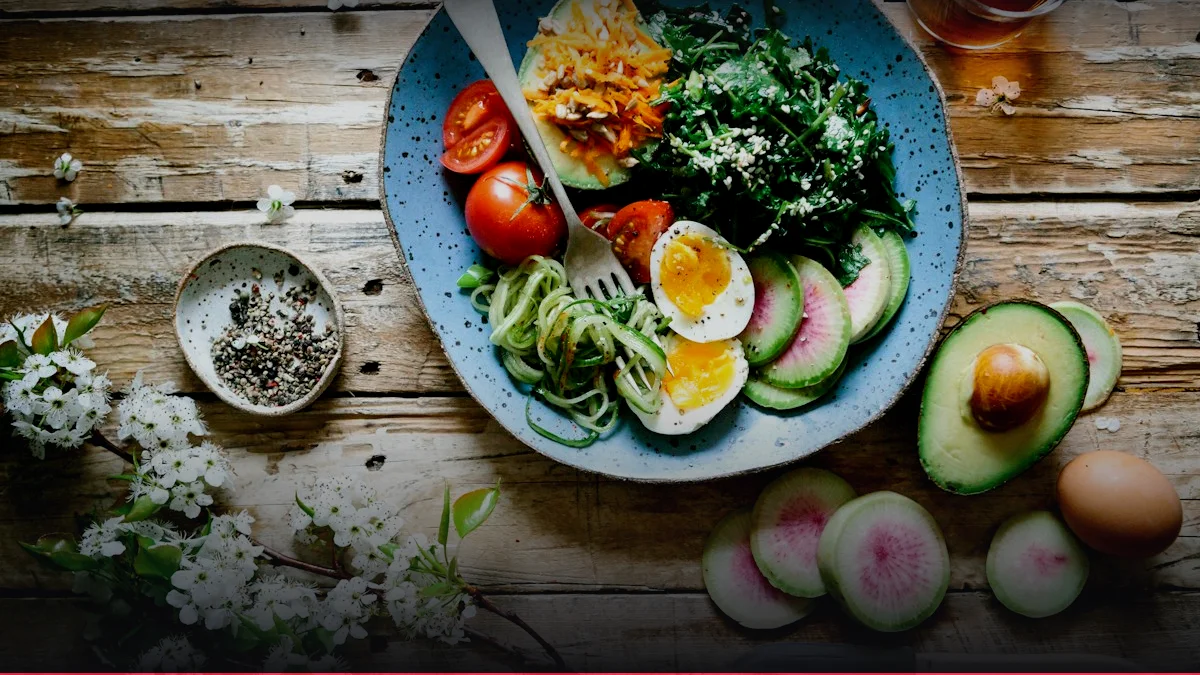
- Periods of fasting give the digestive system much-needed rest. This promotes the restoration of the intestinal lining and the growth of beneficial bacteria (such as Akkermansia muciniphila), which are responsible for the athlete's metabolic health and immunity.
Physiologically, IF also trains the nervous system to be more resilient to discomfort, increasing the overall pain threshold and endurance during training.
4. Biochemical Impact on the Body
The biochemistry of intermittent fasting involves a transition from glycolysis to ketosis and deep hormonal restructuring.
- **Ketogenesis:** When liver glycogen stores are depleted, the body begins synthesizing ketone bodies (BHB). Biochemically, ketones are a cleaner fuel for the brain than glucose, explaining the increased mental concentration during fasting. - **Growth Hormone (STH):** During fasting, growth hormone levels can increase by 2 to 5 times. Biochemically, this protects muscle tissue from breakdown and stimulates the mobilization of fatty acids. - **Reduction of Inflammation:** IF suppresses the activity of the NLRP3 inflammasome. Biochemically, this leads to a decrease in C-reactive protein and cytokines, accelerating the recovery of joints and ligaments after injury. - **Mitochondrial Biogenesis:** Fasting stimulates the PGC-1alpha protein, which is responsible for creating new mitochondria. Biochemically, this increases the athlete's aerobic capacity and their ability to produce energy.
Biochemically, IF also enhances the action of Brain-Derived Neurotrophic Factor (BDNF), which promotes the creation of new neural connections and improves motor learning.
| Hormone/Process | Impact During IF | Biochemical Result |
|---|---|---|
| Insulin | Decrease | Active fat burning, cellular sensitivity |
| Growth Hormone | Significant increase | Muscle preservation, tissue regeneration |
| Autophagy | Activation | Cleansing cells of "protein junk" |
| Cortisol | Temporary increase | Energy mobilization (normalizes after adaptation) |
Intermittent Fasting & OMAD Timer
Track 16:8, 18:6, and OMAD windows with real-time biological stages (ketosis, autophagy).
Launch Tool5. Practical Methodology and Technique
Implementing IF into a sports schedule requires choosing the optimal protocol and paying attention to food quality.
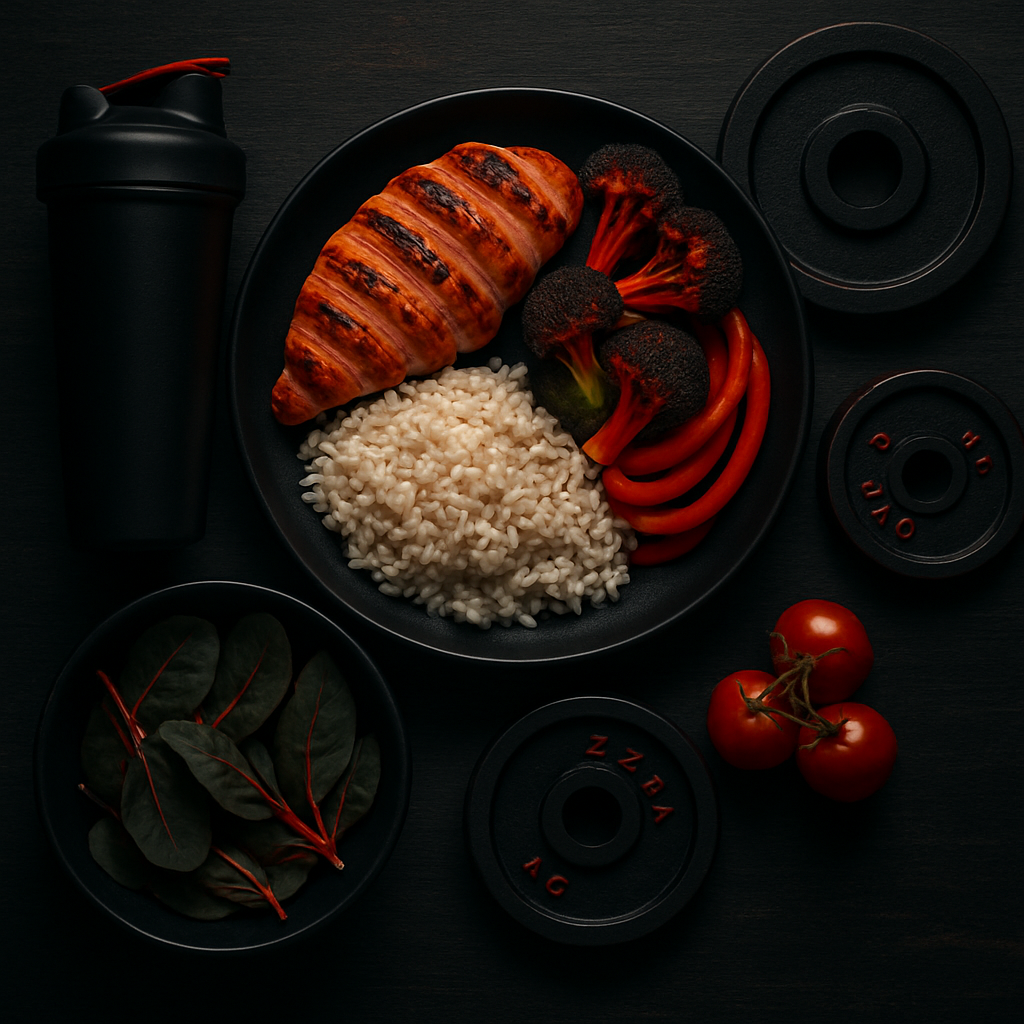
1. **16/8 Protocol:** The most popular for athletes. 16 hours of fasting and an 8-hour eating window. Usually, this means skipping breakfast and eating from 12:00 PM to 8:00 PM. 2. **20/4 Protocol (The Warrior Diet):** 20 hours of fasting and one large meal in the evening. Suitable for athletes who find it difficult to train with a full stomach. 3. **OMAD (One Meal A Day):** One meal per 24-hour period. Requires very careful nutrient planning to obtain all calories and protein at once. 4. **Adaptation Period:** Start gradually. During the first 1-2 weeks, the body may respond with headaches and weakness. Drink plenty of water with electrolytes (sodium, magnesium). 5. **Quality of the Eating Window:** IF is not an excuse for fast food. Fill your window with whole foods: protein, complex carbohydrates, and healthy fats for maximum anabolism.
The eating window is your time for building. What you eat after fasting will determine whether your body becomes stronger or simply uses the calories for survival.
6. Progression of Loads and Integration into the Plan
How can fasting be combined with intensive training? - **Fasted Training:** Ideal for fat burning and increasing endurance. However, for strength records, it is better to conduct training at the end of the fasting window or already within the eating window. - **Anabolic Window:** The largest and most calorie-dense meal should be immediately after training. This ensures maximum nutrient absorption against a background of high insulin sensitivity. - **Periodization:** On the days of the heaviest workouts (e.g., legs), you can expand the eating window to 10-12 hours, and on rest days, narrow it to 18/6 or 20/4.
"Carbohydrate timing" is recommended: consume carbohydrates only after training. This allows you to remain in a fat-burning state throughout the fasting period while having the energy for recovery.
7. Analysis of Scientific Research and Evidence Base
A study published in the "Journal of Translational Medicine" (2016) on resistance-trained athletes showed that the group practicing the 16/8 protocol lost significantly more fat than the control group while maintaining the same muscle mass and strength. This proved the safety and effectiveness of IF for bodybuilding.
Another large-scale study in the "New England Journal of Medicine" (2019) confirmed that IF improves heart health markers, lowers blood pressure, and enhances cognitive function. It was also proven that fasting increases levels of adiponectin—a hormone that protects blood vessels and improves fat metabolism. Science also indicates that IF may be more effective for reducing visceral fat than standard calorie restriction due to the specific hormonal response.
8. Synergy: Nutrition, Nutraceuticals, and Recovery
To make IF work 100%: - **Electrolytes (Sodium/Potassium/Magnesium):** Essential during fasting. Without insulin, the kidneys actively excrete salt, which can lead to weakness and cramps. - **Coffee and Herbal Teas:** Black coffee without sugar enhances the fat-burning and autophagy effects while suppressing appetite. - **BCAA/EAA:** If you train fasted at high intensity, 5-10g of essential amino acids can protect muscles from catabolism with minimal impact on the fasting state. - **Omega-3:** Take during the eating window with a fatty meal for maximum absorption and enhancement of the anti-inflammatory effect.
The best synergy is "Morning Fasted Cardio + Coffee + Cold Shower." This triad maximally activates the sympathetic nervous system and mobilizes fat stores.
9. Common Mistakes, Myths, and Prevention of Injury
The biggest mistake is overeating during the eating window ("Binge Eating"). If you consume 4000 kcal in 4 hours, no amount of autophagy will save you from fat accumulation.
- **Myth 1: "Muscle will burn without breakfast."** Growth hormone, which rises during fasting, reliably protects muscle protein. Catabolism only begins after 24-36 hours of complete fasting.
- **Myth 2: "Fasting is harmful to the stomach."** In the absence of food, gastric acidity typically decreases. Problems may only arise if an ulcer or gallstone disease is present.
- **Mistake 3: Insufficient water intake.** Many people confuse thirst with hunger. Drink 30-40 ml of water per kg of body weight, especially during fasting hours.
If you experience a rapid heartbeat or hand tremors during fasting, immediately drink a glass of water with salt or terminate the fast. This is a sign of a critical drop in electrolyte or glucose levels.
Interactive Apps & Calculators for Article
Empirical mathematical algorithms and scientific formulas for sports optimization
 Sports Nutrition
Athletic Hydration & Fluid Balance
Calculate daily fluid needs combining baseline requirement (35 ml/kg), sweat rate, and heat climate index.
 Sports Nutrition
Peri-Workout Nutrient Timing & Anabolic Window
Calculate hour-by-hour carbohydrate and protein partitioning (pre-, intra-, post-training) for glycogen supercompensation.
10. FAQ: Answers to the Most Common Questions
- Does coffee with milk break a fast?
- Yes. Any calories (even 20-30 kcal from milk) trigger an insulin response and pause the processes of autophagy and fat burning.
- Can pregnant athletes practice IF?
- Categorically no. During this period, the body requires a stable influx of nutrients for fetal development.
- How does IF affect the female hormonal background?
- Women are more sensitive to hunger signals. An excessively rigid window (e.g., 20/4) can lead to menstrual cycle disruption. A gentler 14/10 protocol is recommended.
- Can I drink a protein shake during the fast?
- No, protein stimulates insulin and mTOR, which immediately interrupts the fasting state.
- Does IF help with acne and skin problems?
- Yes, by lowering insulin and activating autophagy, many people notice significant skin clearing after just a month of practice.
- How should I combine IF with creatine?
- Take creatine during your eating window, ideally with carbohydrates for better transport into the muscles.
- What should I do if I lapsed and ate early?
- It's no big deal. Simply continue the next fasting period according to your schedule. The key is consistency, not isolated mistakes.