


Cryotherapy in Sports: Physiological Mechanisms of Cold Recovery and the Limits of Effectiveness
1. Introduction and Fundamental Relevance
Recovery after intense physical exertion is an integral part of the training process, and in modern professional sports, it takes up as much time as the physical activity itself. Among the variety of methodologies, cryotherapy (cold therapy) holds one of the leading positions. From simple ice baths to high-tech cryochambers with temperatures as low as -150°C—cold has become an indispensable companion for elite athletes. The primary goal of cryotherapy is to accelerate tissue regeneration, reduce systemic inflammation, and alleviate pain syndromes after extreme loads.
However, the relevance of the topic lies not only in the popularization of the method but also in a critical reappraisal of its use. Recent scientific data indicate that "freezing" inflammation can be counterproductive for muscle mass growth and long-term adaptation. Understanding when cryotherapy is a lifeline and when it is an obstacle to progress is key for coaches and biohackers alike. In this article, we will examine the physiological cascades triggered by cold and build a strategy for the rational use of low temperatures.
Cold is a powerful tool for modulating physiological response. Use it like a scalpel, not an axe.
2. Evolution of the Cold Method: From Hippocrates to Cryochambers
The use of cold for treating injuries has been known since the times of Ancient Egypt and Hippocrates, who described the analgesic effect of snow and ice. For centuries, cold compresses remained the "gold standard" for bruises and sprains. A true technological breakthrough occurred in the late 1970s when Japanese rheumatologist Toshiro Yamauchi developed the first cryosauna for treating rheumatoid arthritis. It turned out that extremely low air temperatures are tolerated more easily than cold water but trigger more powerful neuroendocrine reactions.
In the 1990s and 2000s, cryotherapy entered football, cycling, and the NBA on a massive scale. Portable cryosystems and specialized recovery centers appeared. The evolution of views on cryotherapy has traveled a path from blind copying to a personalized approach based on training cycle phases. Today, we know that cryotherapy for a marathon runner and cryotherapy for a bodybuilder are two completely different protocols with different metabolic goals.

3. Deep Anatomy and Physiology of the Ischemic Response
Cryotherapy acts on the body through several levels of stabilization: vascular, neural, and cellular. When the skin contacts the cold, a reflex response—vasoconstriction—is triggered, which is an evolutionary mechanism for heat conservation.
- Vasoconstriction and Reactive Vasodilation
- Cold constricts peripheral vessels, pushing blood toward internal organs. After the influence ceases, a compensatory expansion occurs, creating a "flushing" effect in tissues with fresh, oxygen-saturated blood.
- Neural Analgesia (Gate Control Theory)
- Low temperatures slow the speed of nerve impulse conduction through nociceptors (pain receptors). This creates an immediate analgesic effect and blocks the transmission of fatigue signals to the brain.
- Reduction of Metabolic Activity
- Cold slows the rate of chemical reactions, protecting cells from "secondary hypoxia"—the death of healthy cells near an injury zone due to energy and oxygen deficits.
- Tissue Viscosity
- Anatomically, cold increases the viscosity of synovial fluid and the stiffness of collagen, which should be considered when planning activity after the procedure.
Biomechanical Mechanics: Biomechanically, cryotherapy allows for the rapid reduction of edema in the joint capsule, returning the joint to its natural range of motion after heavy impact loads.
4. Biochemical Influence: Norepinephrine and Cold Shock Proteins
Extreme cold is a powerful systemic stressor that activates the hypothalamic-pituitary-adrenal axis. Biochemically, this manifests as a sharp release of norepinephrine (up to 200-300% of baseline). This increases concentration, alertness, and activates fat breakdown (lipolysis) through the activation of beta-adrenoceptors.
Furthermore, cryotherapy stimulates the production of specific Cold Shock Proteins (CSPs, such as RBM3 and CIRP). These proteins have a pronounced neuroprotective effect and assist in restoring damaged cell structures at the RNA level. Most significant is the effect on markers of systemic inflammation: cryotherapy reduces levels of creatine kinase (a marker of muscle damage) and interleukin-6 (IL-6), which is subjectively felt as the rapid disappearance of DOMS.
| Marker / Indicator | Biochemical Impact of Cryotherapy | Physiological Consequence |
|---|---|---|
| Norepinephrine (NE) | Extreme increase | Analgesia, improved cognitive focus |
| Creatine Kinase (CK) | Reduction in blood concentration | Rapid restoration of sarcolemma integrity |
| RBM3 / CIRP Proteins | Stimulation of synthesis | Cellular stabilization and RNA protection |
| Metabolic Lactate | Accelerated clearance | Alleviation of "heavy" muscle sensation |
Heat Shock & Cold Plunge Protocol
Optimize sauna sessions (HSP70 proteins) and cold plunges with hypertrophy-sparing timing rules.
Launch Tool5. Practical Methodology: Immersion Protocols and Chambers
There are several primary types of cryotherapy, each with its own technical features and protocols.
1. **Ice Baths:** Water temperature 10-12°C. Optimal time is 10-15 minutes. Immersion to chest level provides the best balance between lactate clearance and systemic recuperation. 2. **Whole-Body Cryotherapy (WBC):** Staying in a cryochamber for 2.5-3 minutes at -110°C to -150°C. Requires extremity protection (gloves, mask, socks). Provides a peak hormonal response without deep tissue cooling. 3. **Local Cryotherapy:** Use of ice packs or jets of cold carbon dioxide directly on the injury zone. Exposure time—no more than 10-15 minutes to avoid ischemic skin damage. 4. **Cryo-compression:** A combination of cold and pressure (systems like Game Ready). This is the "gold standard" for rehabilitation after joint surgeries.
The main rule of cryotherapy: you should leave the procedure feeling refreshed and light, not numb and shivering.
6. Progression and Integration into the Annual Training Plan
Cryotherapy should be strictly periodized according to an athlete's current training goals.
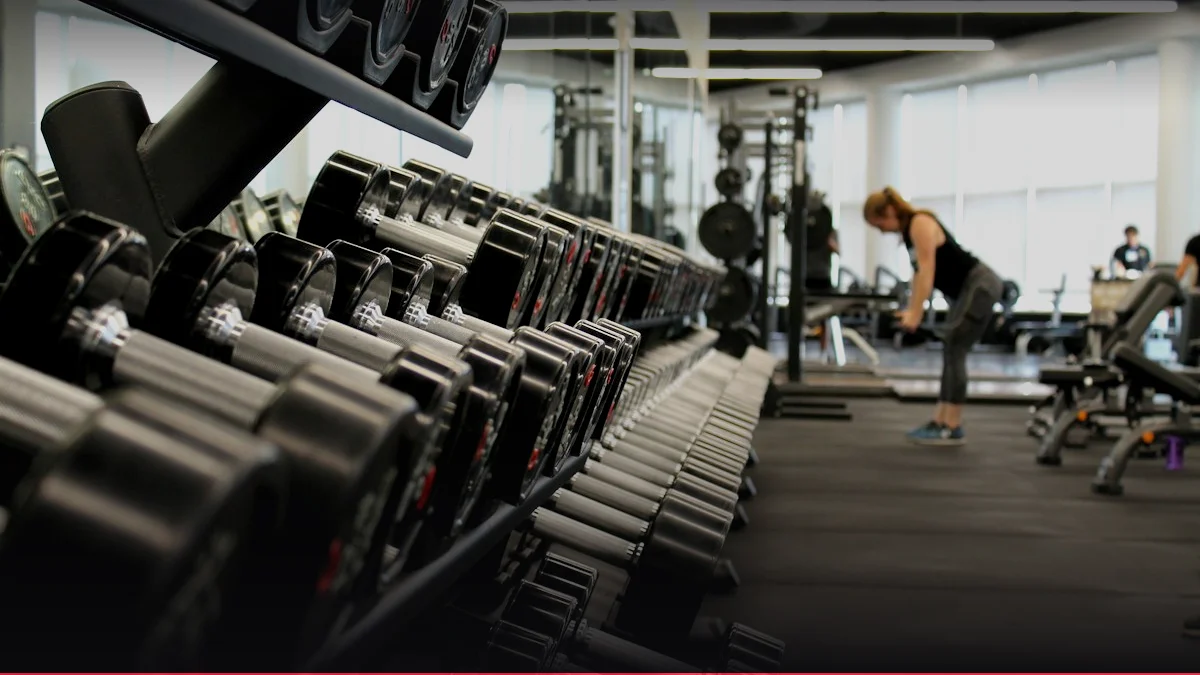
- **Competitive Microcycle:** Cryotherapy is used maximally (daily) for rapid recovery of explosive power and pain suppression between starts. - **Hypertrophy Phase (Bodybuilding):** Cryotherapy should be strictly **limited**. Cold after strength training suppresses the mTOR signaling pathway and satellite cell activity, which can reduce long-term muscle growth by 20-30%. - **Fat Loss Phase:** Cryotherapy is useful for activating brown adipose tissue and increasing non-exercise activity through thermogenesis.
It is recommended to maintain a pause of at least 4 hours between strength training and cold procedures to allow the body to implement its natural adaptive response to inflammation.
7. Analysis of Scientific Research: The Adaptation Paradox
Modern science views cryotherapy with cautious optimism. A 2015 meta-analysis (Roberts et al.) caused a real stir, proving that cold-water immersion significantly reduces protein synthesis and long-term muscle hypertrophy. This confirmed the hypothesis: post-workout inflammation is not an enemy, but a necessary biological signal for growth.
On the other hand, studies of elite rugby and football players have shown that cryotherapy allows for maintaining jump power and sprint speed during tight tournament schedules, where adaptation takes a back seat to the need for immediate results. It is also scientifically proven that cryotherapy improves heart rate variability (HRV), which is a marker of successful CNS recovery. Thus, the choice in favor of cold should depend on what is more important to you today: muscle growth or readiness for tomorrow's game.
8. Synergy: Nutrition, Electrolytes, and Thermogenesis
To maximize the effect of cryotherapy, the body must have energy resources for subsequent "warming up." - **Omega-3 Fatty Acids:** Improve cell membrane fluidity, making the vascular response to cold (vasomotion) more elastic and effective. - **Carbohydrate Loading:** The process of thermogenesis requires glycogen. Cryotherapy while in a calorie deficit can cause an excessive release of cortisol. - **Adaptogens (Rhodiola, Ginseng):** Help the nervous system adapt faster to thermal shock. - **Hydration:** Cryotherapy has a diuretic effect due to blood flow centralization, so drinking mineral water after the procedure is mandatory.
9. Critical Mistakes, Myths, and Injury Prevention
The biggest mistake is staying in the cold longer than the recommended time to "speed up results." This can lead to deep hypothermia, cold burns, or shock.
- Cold during illness: Cryotherapy during the acute phase of a viral infection can completely deplete immune reserves.
- Contact of ice with skin: Without a barrier (fabric), ice causes local frostbite of cells within minutes.
- Cryo before training: Cold reduces proprioception and muscle reaction speed, which is a direct path to ligament tears during exertion.
- Alcohol and cold: Alcohol disrupts natural thermoregulation and masks symptoms of hypothermia, which is deadly.
- Ignoring the CNS: If you feel apathy and shivers after cryo—your body is not having enough time to recover.
Interactive Apps & Calculators for Article
Empirical mathematical algorithms and scientific formulas for sports optimization
 Health & Rehabilitation
HRV (rMSSD) Recovery & Readiness
Evaluate morning heart rate variability (rMSSD) against your 7-day baseline to guide training intensity.
Sports Nutrition
Injury Recovery Nutrition & Hyper-Metabolic Needs
Calculate increased metabolic expenditure (+15-20%), 2.0-2.5 g/kg protein anti-atrophy target, and tissue repair micronutrients.
10. FAQ: Expert Answers to Key Athlete Questions
- Does cryotherapy really help burn subcutaneous fat?
- Yes, it activates brown adipose tissue, which burns white fat to generate heat. However, without a calorie deficit, this effect will be minimal.
- What is better for leg recovery: an ice bath or a cryochamber?
- For reducing local edema and DOMS, water works better (higher thermal conductivity). For a systemic hormonal drive—the cryochamber.
- Can I do cryo procedures every day during the preparation period?
- For professional athletes during the competition period—yes. For amateurs training for mass, 1-2 times a week on rest days is optimal.
- Why is there a feeling of euphoria after the cryochamber?
- This is the result of a powerful release of norepinephrine and beta-endorphins. It is a natural mechanism for protecting the psyche from extreme stress.
- Does cold help with tendonitis and tendon inflammation?
- Yes, cryotherapy reduces the activity of protease enzymes that break down collagen in an inflamed tendon, which accelerates its healing.
- What water temperature is the minimum effective for a bath?
- 12-15°C is sufficient. Using water below 5°C does not provide additional recovery benefits but significantly increases the risk of cold shock.
- Can cryotherapy be used for child athletes?
- Only locally and under medical supervision. Whole-body cryotherapy is not recommended until the endocrine system has finished forming due to excessive hormonal stress.