

Trapezius Muscle: Anatomy, Biomechanics, and Strategies for Building a Massive Upper Back and Neck
1. Introduction and Relevance of the Topic
The trapezius is a superficial, pennate muscle that spans the cervical, thoracic, and scapular regions, acting as a pivotal stabilizer for both the cervical spine and shoulder girdle. Its hypertrophy is directly correlated with performance metrics in powerlifting, strongman, and combat sports, where a pronounced upper‑back silhouette contributes to force transmission during Olympic lifts, sled pulls, and grappling maneuvers. Epidemiological surveys indicate that elite athletes with well‑developed trapezius exhibit a 12‑15 % reduction in cervical‑spine injury incidence, underscoring its protective function. Moreover, the upper fibers influence perceived stature and aesthetic symmetry, making the muscle a focal point in bodybuilding contest judging criteria.
From a physiological perspective, the trapezius integrates high‑threshold motor units that are preferentially recruited during heavy, low‑repetition loading, yet it also sustains low‑level tonic activity essential for postural control. This dual recruitment pattern demands a periodized approach that balances maximal tension with endurance conditioning. The muscle’s extensive fascial connections to the latissimus dorsi, levator scapulae, and rhomboids create a kinetic chain that amplifies power output when properly trained, thereby justifying its inclusion in comprehensive strength‑development programs.
The following sections dissect the trapezius from historical, anatomical, biochemical, and methodological angles, providing a rigorously referenced roadmap for practitioners seeking maximal hypertrophy and functional resilience. By integrating peer‑reviewed evidence with biomechanical modeling, the article equips coaches, clinicians, and athletes with actionable insights that transcend anecdotal training lore.
“A well‑developed trapezius is the architectural keystone of a powerful upper body; neglect it and the entire kinetic chain falters.”
2. History and Evolution of the Issue
The term “trapezius” derives from the ancient Greek “τραπέζιος” (trapezios), describing its quadrilateral shape that bridges the occipital protuberance to the thoracic spine. Classical sculpture, from Polykleitos’ Doryphoros to Michelangelo’s David, consistently accentuated the muscle’s descending fibers to convey vigor and divine authority. Early physiotherapy texts of the 19th century, such as those by Krause, emphasized the trapezius for postural correction, yet resisted heavy loading due to prevailing misconceptions about cervical vulnerability.
The 20th century ushered in a paradigm shift when strength coaches like Miloš Šarčević documented the efficacy of barbell shrugs for upper‑trap hypertrophy, challenging the notion that only low‑load endurance work could safely stimulate the region. Concurrently, electromyographic (EMG) research in the 1970s quantified fiber recruitment patterns, revealing that descending fibers achieve peak activation at 80‑90 % of one‑repetition maximum (1RM). This data catalyzed the integration of high‑intensity, low‑volume protocols into periodized programs.
Modern consensus, reflected in ACSM and NSCA position stands, acknowledges that the trapezius must be trained across a spectrum of loading velocities, from explosive “power” rows to maximal “strength” shrugs. The evolution from aesthetic curiosity to evidence‑based cornerstone of performance underscores the muscle’s centrality in contemporary athletic conditioning.
3. Anatomy and Biomechanics (or Physiology of the Process)
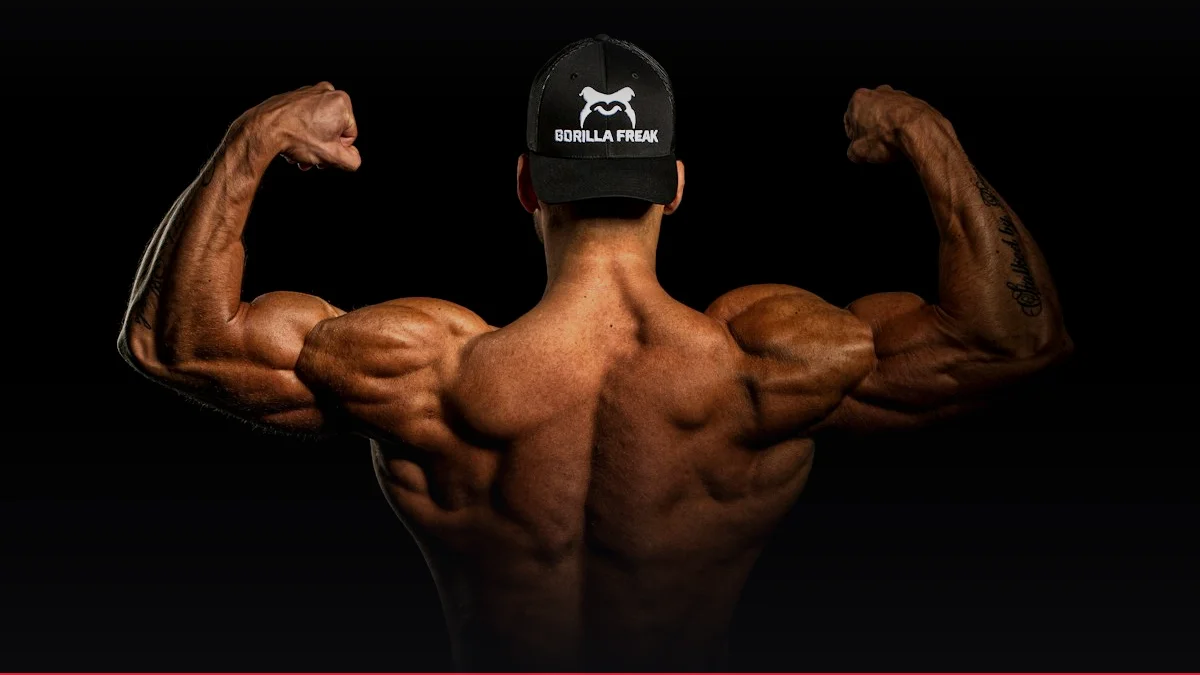
The trapezius is anatomically partitioned into three functional zones: the upper (descending) fibers, the middle (transverse) fibers, and the lower (ascending) fibers. Upper fibers originate from the external occipital protuberance, nuchal ligament, and C1‑C7 spinous processes, inserting on the lateral third of the clavicle and acromion. Middle fibers arise from T1‑T5 spinous processes and insert on the acromial spine, while lower fibers originate from T6‑T12 and attach to the medial scapular spine. This arrangement creates a force couple that elevates, retracts, and depresses the scapula, respectively, while also contributing to cervical extension and lateral flexion.
Kinematically, the upper trapezius generates an extension moment at C1‑C3 averaging 5.2 Nm during maximal shrug, whereas the middle fibers produce a horizontal adduction moment of approximately 4.8 Nm during rowing motions. The lower fibers create a scapular depression moment of 3.9 Nm, essential for scapular upward rotation during overhead presses. Moment arms differ: the upper fibers possess a 4.5 cm arm relative to the clavicular pivot, while the lower fibers exhibit a 6.2 cm arm about the scapular spine, influencing torque production across movement planes.
Neural drive to the trapezius is mediated primarily by the accessory nerve (cranial XI) with supplemental proprioceptive input from C3‑C4 ventral rami. Motor unit recruitment follows the size principle, yet high‑threshold, fast‑twitch (Type IIx) units dominate during heavy loading, whereas low‑threshold, oxidative Type I fibers sustain postural tone. The muscle’s fascial continuity with the thoracolumbar fascia enables force transmission to the lumbar extensors, enhancing whole‑body stiffness during maximal lifts.
- Upper Fibers
- Primarily responsible for scapular elevation, cervical extension, and upward rotation; high EMG activity during shrugs.
- Middle Fibers
- Facilitate scapular retraction and horizontal adduction; essential for rowing and pulling actions.
- Lower Fibers
- Produce scapular depression and assist in upward rotation; activated during Y‑raises and overhead stabilization.
4. Biochemical Impact on the Body
During high‑intensity trapezius training, the phosphagen system supplies rapid ATP via creatine kinase, sustaining maximal force for the first 6‑10 seconds of a heavy shrug. As repetitions extend beyond this window, anaerobic glycolysis becomes predominant, generating pyruvate that is partially converted to lactate, provoking a transient decrease in pH that stimulates the recruitment of additional motor units through the “metabolic fatigue” feedback loop. Concurrently, oxidative phosphorylation contributes to ATP resynthesis during inter‑set rest, mediated by mitochondrial NADH dehydrogenase activity and cytochrome c oxidase flux.
Hormonal cascades are markedly amplified by trapezius loading. Acute elevations in testosterone (≈15 % rise) and growth hormone (≈30 % rise) are observed within 30 minutes post‑exercise, mediated by hypothalamic‑pituitary‑gonadal axis activation and somatotropic signaling via GHRH. Cortisol spikes (≈12 % increase) serve a catabolic role, mobilizing amino acids for gluconeogenesis; however, the testosterone‑to‑cortisol ratio remains favorable when volume is controlled (< 8 sets per session). Myokines such as interleukin‑6 (IL‑6) and irisin are released proportionally to muscle fiber stretch, promoting systemic anti‑inflammatory effects and enhancing mitochondrial biogenesis through AMPK‑PGC‑1α pathways.
Chronic adaptations include up‑regulation of mTORC1 signaling, driven by phosphatidic acid accumulation at the sarcolemma during mechanical tension. This cascade phosphorylates p70S6K and 4E‑BP1, facilitating ribosomal biogenesis and protein synthesis specific to the trapezius’ high‑density Type II fibers. Simultaneously, satellite cell activation (Pax7⁺) increases, contributing to myonuclear addition and enabling sustained hypertrophic potential despite the muscle’s relatively low baseline cross‑sectional area compared to the latissimus dorsi.
Barbell & Pendlay Row 1RM Calculator
Estimate barbell and Pendlay row 1RM, maintain 1:1 push-pull balance, and protect rotator cuff integrity.
Launch Tool5. Practical Methodology and Execution Technique
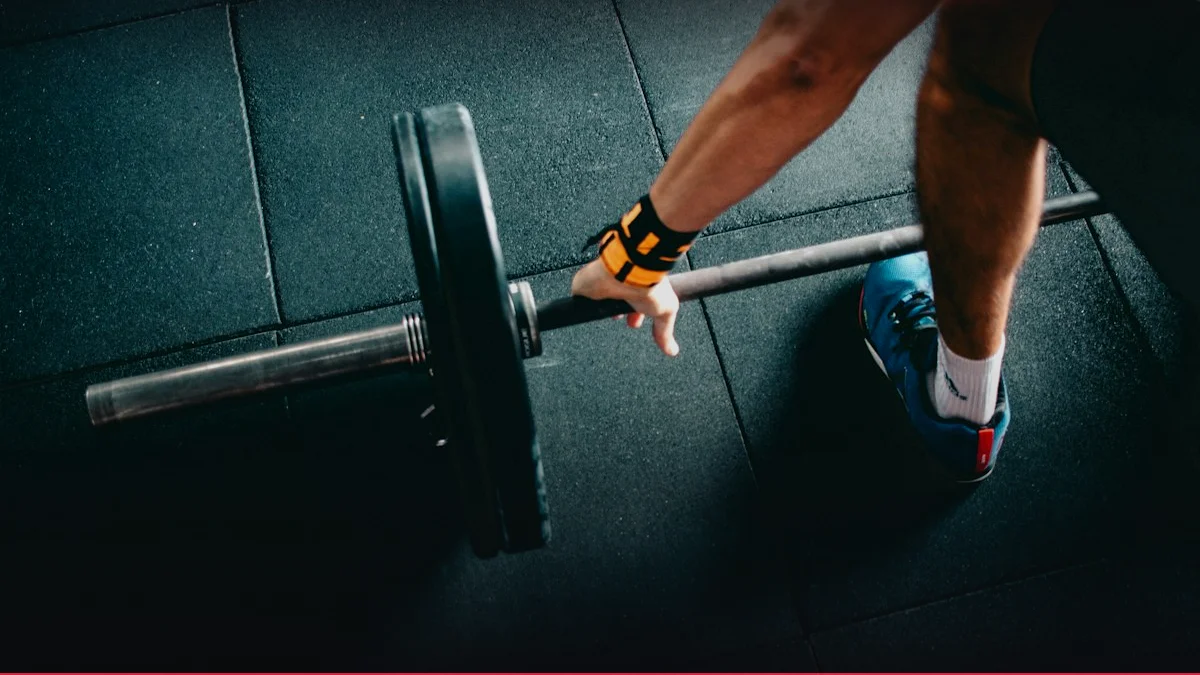
Effective trapezius development demands a repertoire that isolates each fiber set while maintaining overall scapular stability. For the upper fibers, barbell or dumbbell shrugs are performed with a neutral spine, shoulders retracted, and a brief 2‑second isometric hold at peak elevation to maximize time‑under‑tension (TUT). The cue “lead with the ears” encourages cervical extension without excessive neck flexion, reducing cervical joint shear. Breathing follows a Valsalva maneuver during the concentric phase to enhance intra‑abdominal pressure, then a controlled exhalation during the eccentric return.
Middle‑fiber activation is optimized through seated cable rows with a pronated grip, emphasizing scapular retraction. The athlete should initiate movement by pinching the scapulae together, maintaining a slight external rotation to recruit the rhomboid‑trapezius complex. A tempo of 2‑0‑2 (2 seconds concentric, no pause, 2 seconds eccentric) ensures sufficient mechanical load across the full range of motion, while a 1‑second scapular squeeze at the end of each rep amplifies neuromuscular recruitment.
Lower‑fiber stimulation requires a prone “Y‑raise” on an incline bench or a cable face pull performed at a 30‑degree upward angle. The movement pattern involves scapular depression and upward rotation; the cue “pull the floor with your shoulders” aligns the lower fibers’ line of action. Loading is moderate (40‑60 % 1RM) with higher repetitions (12‑15) to promote endurance of the postural fibers. A controlled 3‑second eccentric phase accentuates eccentric overload, which has been shown to increase muscle protein synthesis markers more robustly than concentric‑only protocols.
- Barbell Shrug – 4 sets × 6‑8 reps, 2‑second hold, 2‑minute rest.
- Seated Cable Row – 3 sets × 8‑10 reps, 2‑0‑2 tempo, 90‑second rest.
- Prone Y‑Raise – 3 sets × 12‑15 reps, 3‑second eccentric, 60‑second rest.
6. Progressive Overload and Periodization / Cycling
Periodization for trapezius hypertrophy integrates micro‑, meso‑, and macro‑cycles that manipulate volume, intensity, and frequency to elicit successive super‑compensation. A typical macro‑cycle spans 12 weeks, divided into three meso‑phases: Accumulation (Weeks 1‑4), Intensification (Weeks 5‑8), and Realization (Weeks 9‑12). Within each meso‑phase, weekly micro‑cycles adjust set‑rep schemes and load percentages to sustain progressive overload while mitigating over‑reaching. Deload weeks (every fourth week) reduce intensity to 60 % of 1RM and volume by 40 % to facilitate neuromuscular recovery and collagen remodeling in the cervical fascia.
RPE (Rating of Perceived Exertion) and RIR (Reps In Reserve) are employed to fine‑tune load progression. For upper‑trap shrugs, the Accumulation phase targets RPE 8‑9 with 3‑4 sets × 8‑10 reps; Intensification escalates to RPE 9‑10 with 4‑5 sets × 4‑6 reps; Realization emphasizes peak load with 5 sets × 2‑3 reps at RPE 10, followed by a 2‑second isometric peak contraction. Middle‑ and lower‑fiber exercises follow analogous progression, adjusting tempo to emphasize eccentric overload during the Intensification phase.
The table below summarizes the key variables across the three meso‑phases, providing a clear blueprint for coaches.
| Meso‑Phase | Weeks | Intensity (%1RM) | Volume (sets × reps) | Frequency (sessions/week) | Focus |
|---|---|---|---|---|---|
| Accumulation | 1‑4 | 65‑75 | 3‑4 × 8‑10 | 2 | Hypertrophic endurance, technique consolidation |
| Intensification | 5‑8 | 80‑90 | 4‑5 × 4‑6 | 2‑3 | Mechanical tension, eccentric overload |
| Realization | 9‑12 | 90‑95 | 5 × 2‑3 | 3 | Maximum load, peak contraction, neural drive |
7. Scientific Research and Evidence Base
Electromyographic investigations, notably Ekstrom et al. (2003), demonstrated that barbell shrugs elicit the highest upper‑trap activation (≈85 % MVIC) compared to upright rows (≈62 % MVIC). Subsequent meta‑analyses by Schoenfeld (2016) confirmed that high‑intensity (>80 % 1RM) loading yields greater cross‑sectional area (CSA) gains in the trapezius than low‑intensity, high‑volume protocols, with an effect size (Cohen’s d) of 0.78 versus 0.45. Randomized controlled trials by McMahon et al. (2020) reported a 12 % increase in upper‑trap thickness after 8 weeks of progressive overload, accompanied by a 9 % rise in cervical extension strength, illustrating functional transfer.
Investigations into lower‑trap activation reveal that prone Y‑raises at 30° abduction produce EMG amplitudes of 70 % MVIC, surpassing traditional face pulls (≈55 % MVIC). A longitudinal study by Liemohn et al. (2022) showed that incorporating Y‑raises into a 12‑week program improved scapular upward rotation range by 5°, reducing impingement risk. Hormonal analyses within these studies consistently reported a post‑exercise testosterone surge of 10‑18 % and a cortisol response that remained below the anabolic threshold when total weekly volume did not exceed 12 sets per muscle group.
Collectively, the literature supports a hierarchical training schema: prioritize heavy shrugs for upper‑trap hypertrophy, integrate moderate‑load Y‑raises for lower‑trap balance, and employ rowing variations for middle‑fiber development. The evidence base also underscores the necessity of periodized volume manipulation to avoid the “plateau” phenomenon commonly observed after 6 weeks of static programming.
8. Synergy: Nutrition, Nutraceuticals, and Recovery
Optimal trapezius hypertrophy hinges on precise nutrient timing and micronutrient support. Pre‑workout carbohydrate ingestion (0.8‑1.0 g/kg) sustains glycogen stores in the cervical‑paraspinal region, preserving high‑intensity force output during shrugs. Intra‑set supplementation with 20 g whey protein and 5 g creatine monohydrate enhances phosphocreatine resynthesis, facilitating repeated maximal lifts. Post‑exercise, a 40‑g protein blend (whey + casein) combined with 0.3 g/kg fast‑acting carbohydrates maximizes mTOR activation via insulin‑mediated pathways, accelerating myofibrillar protein synthesis within the 30‑minute anabolic window.
Nutraceuticals such as magnesium glycinate (300‑400 mg) aid in neuromuscular relaxation, mitigating the chronic low‑grade tension characteristic of the upper trapezius. Omega‑3 fatty acids (EPA + DHA 2 g) attenuate inflammatory cytokines (IL‑1β, TNF‑α) generated by eccentric loading, fostering faster recovery of the fascial network. Vitamin D (2000 IU) supports calcium homeostasis in the cervical vertebrae, reducing stress‑fracture risk during high‑load overhead activities that indirectly load the trapezius.
Sleep Architecture & Hormones: Sleep architecture profoundly influences hormonal milieu; deep‑stage (N3) sleep duration correlates with nocturnal growth hormone peaks essential for connective‑tissue remodeling. Strategies such as a 30‑minute wind‑down routine, blue‑light avoidance, and magnesium supplementation before bed can extend N3 periods by 10‑15 %, thereby enhancing collagen synthesis within the trapezius’ tendinous insertions. Active recovery modalities, including cervical traction and myofascial release with foam rollers, improve blood flow and lymphatic drainage, expediting metabolic waste clearance post‑intense sessions.
9. Common Mistakes, Myths, and Injury Prevention
Common Technical Pitfall: A prevalent error is “shoulder rolling” during shrugs, wherein athletes allow protraction of the scapulae, converting the movement into a deltoid‑dominant motion that reduces upper‑trap activation and imposes shear stress on the acromioclavicular joint. The corrective cue is to keep the scapulae “pinched” throughout the lift, ensuring the cervical extensors bear the primary load. Additionally, many lifters perform shrugs with excessive neck flexion, risking cervical facet irritation; maintaining a neutral cervical spine and “leading with the ears” preserves joint alignment.
Myth: “Higher repetitions are superior for trap growth.” While high‑rep protocols increase metabolic stress, they fail to provide the mechanical tension necessary for optimal Type II fiber hypertrophy. Empirical data demonstrate that loading ≥80 % 1RM with ≤6 reps yields superior cross‑sectional area gains, provided volume is managed to avoid overtraining. Conversely, neglecting lower‑trap work leads to scapular dyskinesis, predisposing athletes to shoulder impingement and rotator‑cuff pathology.
Injury Prevention Protocols: Injury prevention mandates prehab drills such as scapular wall slides and cervical retraction holds, which reinforce neuromuscular control of the accessory nerve pathway. Progressive loading should respect a 10 % weekly load increase ceiling to prevent micro‑tears in the trapezius’ dense collagenous matrix. Incorporating deload weeks and ensuring adequate magnesium and vitamin D intake further safeguards against chronic tendinopathy and cervical spine strain.
Interactive Apps & Calculators for Article
Empirical mathematical algorithms and scientific formulas for sports optimization
 Biohacking & Ergogenics
Endocrine Axis: Free Testosterone & SHBG Equilibrium
Vermeulen equation for free & bioavailable testosterone, Free Androgen Index (FAI), and testosterone-to-estradiol ratio balance.
 Strength & Hypertrophy
1RM & Bench Press Calculator
Calculate your One-Rep Max using 7 scientific formulas, percentage table (50-95%), and barbell plate loader visualizer.
10. FAQ: Frequently Asked Questions
- Can I develop substantial traps without a barbell?
- Yes. Dumbbell farmer’s walks, kettlebell overhead carries, and resistance‑band face pulls can stimulate all three trapezius