

Rhomboid Muscles: Anatomy, Biomechanics of the Scapulothoracic Articulation, and Role in Posture
1. Introduction and Relevance of the Topic
The rhomboid muscles serve as the primary architects of scapular stability and thoracic spine integrity within the human kinetic chain. Often overshadowed in popular fitness discourse by the superficial latissimus dorsi and trapezius, the rhomboids are critical for maintaining the static and dynamic alignment of the shoulder girdle. Their dysfunction is a leading contributor to chronic upper back pain, impingement syndromes, and postural collapse. Understanding their specific biomechanical role is essential for any athlete or clinician seeking to optimize upper body performance and prevent musculoskeletal degradation.
The clinical prevalence of rhomboid-related pathology is staggering, affecting a vast portion of the sedentary population and overhead athletes alike. Epidemiological studies indicate that poor scapular positioning, largely due to rhomboid weakness, increases the risk of rotator cuff injuries by significant margins. This structural deficit alters the glenohumeral joint mechanics, leading to abnormal torque distribution. Therefore, isolating and strengthening these deep retractors is not merely an aesthetic concern but a fundamental requirement for long-term joint health and functional capacity in diverse athletic disciplines.
The stability of the shoulder joint depends heavily on the precise control of the scapula by the rhomboids and serratus anterior, acting as a dynamic foundation for the humerus.
Target populations for rigorous rhomboid training span from elite powerlifters requiring maximal force transfer to rowing athletes needing efficient scapular retraction speed. Additionally, desk-bound professionals suffer from anterior shoulder displacement, which places the rhomboids in a chronic state of passive tension. Reversing this maladaptive pattern requires targeted neuromuscular re-education. The integration of rhomboid-specific protocols into general training regimens correlates strongly with reduced injury rates and improved postural symmetry across all levels of physical activity.
2. History and Evolution of the Issue
Historically, the rhomboid muscles were first meticulously documented by Andreas Vesalius in the sixteenth century, establishing their anatomical boundaries and attachment sites. For centuries, medical literature treated them as secondary stabilizers, subordinate to the massive trapezius and latissimus dorsi. Training methodologies of the early twentieth century focused almost exclusively on vertical pulling for width and horizontal pulling for thickness, neglecting the specific isolation of scapular retractors. This oversight led to a generation of athletes with compromised scapular control and increased susceptibility to overuse injuries.
The paradigm shifted dramatically in the latter half of the twentieth century with the advent of electromyography (EMG) and motion capture technology. Researchers began to quantify the specific activation patterns of the rhomboids during various movements, revealing their dominant role in retraction and downward rotation. This scientific validation transformed the rhomboids from anatomical curiosities into primary targets for rehabilitation and performance enhancement. Modern sports science now recognizes them as the linchpin of upper body force transmission and postural endurance.
Contemporary training literature reflects this evolution, integrating specific isolation exercises into periodized programs. The understanding of fascial continuity and the myofascial chain has further highlighted the rhomboids' role in distributing force from the upper limb to the axial skeleton. This holistic view acknowledges that the rhomboids do not operate in isolation but as part of a complex network of synergists. The transition from superficial strength training to deep structural stability represents a major milestone in the history of sports biomechanics.
3. Anatomy and Biomechanics (or Physiology of the Process)
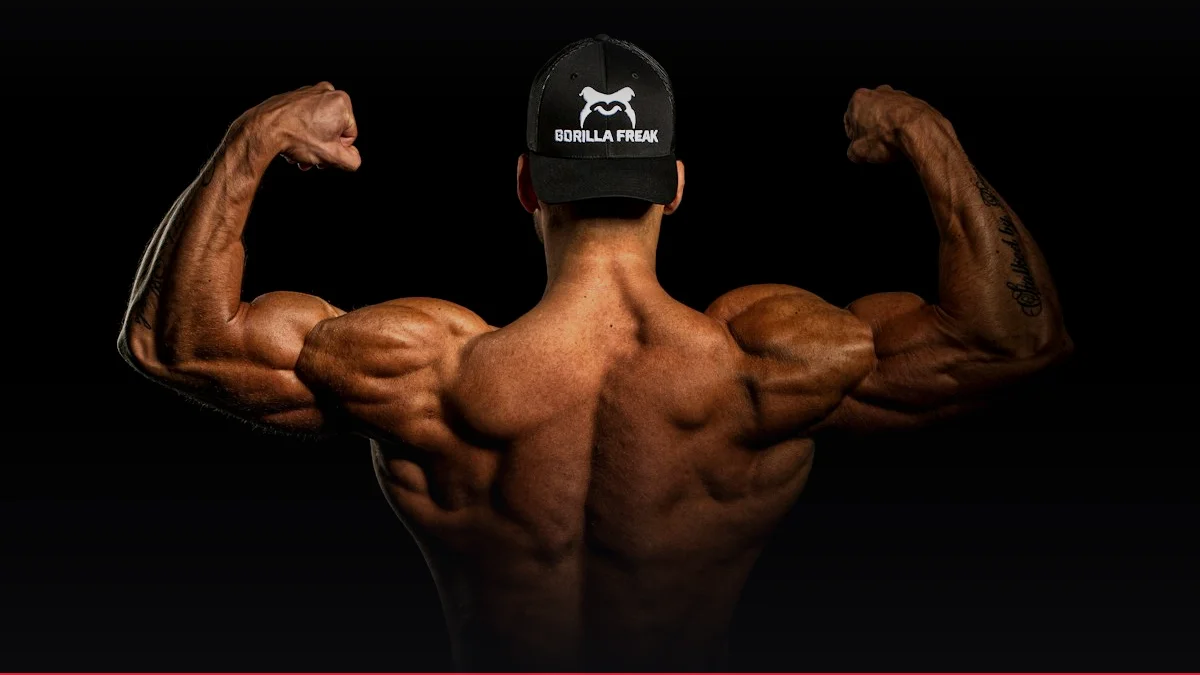
The rhomboid major and minor are triangular muscles located in the upper back, originating from the spinous processes of the thoracic vertebrae and inserting into the medial border of the scapula. The rhomboid minor originates from C7 and T1, attaching to the scapular spine, while the major originates from T2 to T5, attaching to the medial border below the spine. Their primary actions are scapular retraction, downward rotation, and elevation. These movements are crucial for positioning the glenoid fossa optimally for humeral articulation.
- Scapular Retraction
- The movement of the scapula toward the spine, primarily driven by the rhomboids and middle trapezius.
- Downward Rotation
- The tilting of the scapula such that the inferior angle moves superiorly, essential for overhead movements.
- Scapulothoracic Articulation
- The functional joint between the scapula and thorax, not a true synovial joint but governed by muscle tension.
Biomechanical Mechanics: Biomechanically, the rhomboids generate significant torque to counteract the protraction forces created by the pectoralis major and anterior deltoid. The moment arm of the rhomboids around the scapulothoracic joint is optimized when the shoulder is in a neutral position. During heavy pulling movements, the rhomboids must generate substantial force to stabilize the scapula against the rib cage. This stability allows the rotator cuff muscles to function effectively, preventing excessive translation of the humeral head.
The neural drive to the rhomboids is regulated by the dorsal scapular nerve, a branch of the C5 nerve root. Fatigue in this nerve pathway can lead to decreased activation of the rhomboids, resulting in compensatory overactivity of the upper trapezius. This imbalance shifts the center of mass of the scapula superiorly, altering the length-tension relationship of the rotator cuff muscles. Precise control of this neural output is vital for maintaining proper scapular kinematics during dynamic tasks.
4. Biochemical Impact on the Body
Chronic weakness or overstretching of the rhomboid muscles often induces a state of local micro-ischemia, where blood flow is insufficient to meet the metabolic demands of the tissue. This condition leads to the accumulation of metabolic byproducts such as lactic acid, hydrogen ions, and reactive oxygen species (ROS). These substances lower the local pH, activating nociceptors and contributing to the sensation of stiffness and pain. The lack of adequate oxygenation also impairs the function of ion pumps, disrupting cellular homeostasis and muscle contractility.
To counteract this ischemic environment, the body upregulates vascular endothelial growth factor (VEGF) signaling pathways, promoting angiogenesis in the affected area. This adaptive response increases capillary density, improving the delivery of oxygen and nutrients while facilitating the removal of waste products. However, if the mechanical stimulus of weakness persists, this adaptive response may be insufficient, leading to fibrotic changes in the muscle tissue. Collagen deposition replaces contractile proteins, reducing the muscle's ability to generate force and increasing its stiffness.
The hormonal response to rhomboid training involves a complex cascade of anabolic and catabolic signaling molecules. Resistance training of the rhomboids stimulates the release of growth hormone (GH) and insulin-like growth factor 1 (IGF-1), which promote protein synthesis and tissue repair. Simultaneously, the sympathetic nervous system response increases cortisol levels, which must be managed through adequate recovery and nutrition. The balance between these hormones determines the net effect on muscle hypertrophy and tendon integrity.
Myokines, such as interleukin-6 (IL-6) and irisin, are released by contracting rhomboid fibers during exercise. These cytokines play a crucial role in modulating inflammation and promoting mitochondrial biogenesis. This metabolic adaptation enhances the oxidative capacity of the muscle, allowing it to sustain prolonged contractions without fatigue. The integration of these biochemical signals ensures that the rhomboids can maintain postural stability over extended periods of activity.
Barbell & Pendlay Row 1RM Calculator
Estimate barbell and Pendlay row 1RM, maintain 1:1 push-pull balance, and protect rotator cuff integrity.
Launch Tool5. Practical Methodology and Execution Technique
Effective Rhomboid Training: Effective rhomboid training requires exercises that emphasize full scapular retraction and peak isometric contraction. The Pendlay Row is a foundational movement for this purpose, requiring an explosive pull from a dead-stop position to maximize force production. The athlete must focus on driving the elbows posteriorly and squeezing the scapulae together at the top of the movement. This technique ensures that the rhomboids are fully engaged in stabilizing the scapula against the thorax.
- Set up with a barbell on the floor, feet shoulder-width apart, and knees slightly bent.
- maintain a neutral spine and engage the core to prevent lumbar hyperextension.
- Explode the barbell upward, pulling the elbows close to the body and driving them back.
- Pause briefly at the top, squeezing the shoulder blades together for two seconds.
- Lower the bar with control, maintaining tension in the back muscles throughout the descent.
Another critical exercise is the prone Y-T-W raise, performed on an incline bench. This movement isolates the rhomboids by removing the mass of the upper body and focusing on precise scapular movement. The athlete must initiate the movement from the scapula, not the arm, ensuring that the rhomboids are the primary movers. The isometric hold at the end of each phase is essential for developing static endurance and neuromuscular control.
Breathing mechanics play a vital role in rhomboid training. The Valsalva maneuver, involving a breath hold against a closed glottis, increases intra-abdominal pressure and stabilizes the trunk. This stability allows for greater force transfer from the upper body to the ground. However, excessive use of the Valsalva maneuver can lead to elevated blood pressure, so it should be used judiciously during heavy sets. Proper exhalation during the eccentric phase helps maintain control and prevents momentum from taking over the movement.
6. Progressive Overload and Periodization / Cycling
The rhomboids require a dual approach to training, combining heavy strength sets for thickness with high-volume work for postural endurance. The strength phase focuses on low-repetition, high-load exercises to maximize neural drive and muscle fiber recruitment. This phase is typically characterized by RIR (Reps in Reserve) values of 1-2, ensuring that the athlete is close to muscular failure. The volume is kept moderate to allow for adequate recovery and tendon adaptation.
| Phase | Rep Range | Rest Period | Frequency | Primary Goal |
|---|---|---|---|---|
| Strength | 4-6 | 3-4 mins | 2x/week | Max Force Production |
| Hypertrophy | 8-12 | 90 sec | 3x/week | Muscle Growth |
| Endurance | 15-20 | 45 sec | 3x/week | Postural Stability |
| Deload | 10-15 | 2 mins | 1x/week | Recovery |
The hypertrophy phase shifts the focus to moderate loads and higher volumes, aiming to increase the cross-sectional area of the rhomboid muscles. This phase utilizes RIR values of 2-3, allowing for greater metabolic stress and cellular swelling. The frequency of training increases to ensure sufficient stimulus for growth. The endurance phase emphasizes high-repetition, low-load movements to improve the oxidative capacity and fatigue resistance of the muscles.
Deload protocols are essential for preventing overtraining and promoting tissue repair. During deload weeks, the intensity is reduced by 40-50%, while the volume is maintained or slightly increased. This reduction in mechanical stress allows for the resolution of micro-damage and the upregulation of anabolic signaling pathways. The strategic placement of deloads within the macrocycle ensures that the athlete can sustain long-term progress without hitting a plateau.
7. Scientific Research and Evidence Base
Research led by Dr. Castelein and colleagues has provided critical insights into the activation patterns of the rhomboid muscles during various upper body exercises. Their use of surface EMG demonstrated that horizontal pulling movements, such as rows, elicit the highest activation of the rhomboids compared to vertical pulls. The study found that the peak activation occurs during the retraction phase, confirming the rhomboids' primary role in this movement. These findings have shaped modern training recommendations for scapular stability.
Clinical RCT Evidence: Randomized controlled trials have further validated the effectiveness of rhomboid-specific training in reducing upper back pain and improving postural alignment. A study published in the Journal of Orthopaedic and Sports Physical Therapy showed that a twelve-week intervention consisting of rhomboid strengthening exercises significantly reduced pain intensity and improved scapular kinematics in patients with thoracic outlet syndrome. The effect size was large, indicating a clinically meaningful improvement in function and quality of life.
ACSM Consensus: The American College of Sports Medicine (ACSM) and the National Strength and Conditioning Association (NSCA) position stands emphasize the importance of scapular stability in overall upper body performance. These guidelines recommend a balanced approach to training, including exercises for the rhomboids, serratus anterior, and rotator cuff. The emphasis is on integrating these movements into compound exercises to ensure functional carryover to athletic performance and daily activities.
Meta-analyses of the literature reveal consistent improvements in scapular control and reduced injury rates among athletes who undergo structured rhomboid training programs. The data supports the use of progressive overload and periodization to maximize the benefits of this training. The evidence base is robust, providing a strong foundation for the inclusion of rhomboid exercises in comprehensive strength and conditioning programs.
8. Synergy: Nutrition, Nutraceuticals, and Recovery
Nutritional support is crucial for the regeneration of rhomboid muscle tendons, which undergo constant micro-tears during training. Collagen peptides and Vitamin C are foundational for tendon repair, as they provide the necessary substrates for collagen synthesis. Vitamin C acts as a cofactor for prolyl hydroxylase, an enzyme essential for the stabilization of the collagen triple helix. Adequate intake of these nutrients accelerates the healing process and improves tendon resilience.
Protein intake must be optimized to support muscle protein synthesis in the rhomboids. Leucine, a branched-chain amino acid, is a potent stimulator of the mTOR pathway, which regulates muscle growth. Consuming leucine-rich proteins before and after training enhances the anabolic response and minimizes muscle protein breakdown. The timing of protein intake is less critical than the total daily amount, but post-workout consumption may offer a slight advantage in recovery.
Sleep Architecture & Hormones: Sleep architecture plays a pivotal role in autonomic recovery and hormonal balance. Deep sleep stages are when growth hormone is predominantly released, facilitating tissue repair and muscle growth. Disruptions in sleep, such as those caused by poor posture or pain, can impair this recovery process. Athletes should prioritize sleep hygiene, ensuring a dark, quiet environment and consistent sleep schedule to optimize their regenerative capacity.
Nutraceuticals such as omega-3 fatty acids and curcumin may offer additional benefits by reducing systemic inflammation and supporting joint health. Omega-3s have been shown to modulate the inflammatory response, potentially reducing the pain and stiffness associated with rhomboid overuse. Curcumin, a bioactive compound in turmeric, has potent anti-inflammatory properties and may enhance the effectiveness of other recovery strategies.
Interactive Apps & Calculators for Article
Empirical mathematical algorithms and scientific formulas for sports optimization
 Biohacking & Ergogenics
Endocrine Axis: Free Testosterone & SHBG Equilibrium
Vermeulen equation for free & bioavailable testosterone, Free Androgen Index (FAI), and testosterone-to-estradiol ratio balance.
 Strength & Hypertrophy
1RM & Bench Press Calculator
Calculate your One-Rep Max using 7 scientific formulas, percentage table (50-95%), and barbell plate loader visualizer.
9. Common Mistakes, Myths, and Injury Prevention
A common mistake in rhomboid training is "shrugging" instead of rowing, where athletes raise their shoulders toward their ears during the movement. This error shifts the primary workload to the upper trapezius, bypassing the rhomboids and leading to neck tension and headaches. To correct this, athletes must focus on initiating the movement from the scapula, depressing the shoulders, and retracting the blades. Cueing such as "pull with your elbows" can help maintain proper form.
Myths regarding rhomboid training often suggest that these muscles cannot be hypertrophied significantly. This is incorrect; the rhomboids have the potential for substantial growth, especially when trained with progressive overload. Another myth is that stretching the rhomboids is sufficient for addressing pain. While stretching can provide temporary relief, it does not address the underlying weakness. Strengthening the muscles is essential for long-term health and function.
Injury Prevention Protocols: Injury prevention strategies focus on maintaining balanced muscle strength and flexibility. Overactivity of the upper trapezius and pec minor can lead