


Home Gym Micro Space Design: Biomechanical Optimization and Ergonomic Configuration for 4-5 Square Meter Environments
1. Introduction and Relevance of the Topic
The proliferation of urban density and the increasing prevalence of sedentary occupational paradigms have necessitated the scientific examination of resistance training modalities within severely constrained spatial environments. Home gym micro space design, specifically targeting footprints of four to five square meters, represents a critical intersection of biomechanical efficiency, ergonomic engineering, and physiological adaptation. This domain challenges practitioners to maximize mechanical tension and metabolic stress without the luxury of expansive commercial apparatus. The relevance extends beyond mere convenience; it addresses the fundamental public health imperative of accessible resistance training, ensuring that spatial limitations do not serve as barriers to musculoskeletal development, cardiovascular health, or metabolic homeostasis. Rigorous analysis of force production, range of motion, and equipment versatility is paramount to establishing a functional training ecosystem within such micro-environments.
Epidemiological Evidence: Epidemiological data indicates a strong correlation between accessible exercise infrastructure and adherence rates, particularly in populations residing in high-density housing. The micro space gym model mitigates the friction of travel time and environmental variables, thereby enhancing the consistency of mechanical loading on skeletal muscle tissue. Consistency is the primary driver of hypertrophic and strength adaptations over longitudinal timelines. Furthermore, the psychological benefits of environmental control within a micro space cannot be overstated; the reduction of cortisol associated with commuting and social gym anxiety creates a neuroendocrine environment more conducive to anabolic signaling. This section elucidates the physiological necessity of maintaining high-frequency resistance training protocols, demonstrating that a four-square-meter zone, when optimized, can support comprehensive full-body development through intelligent exercise selection and autoregulated intensity management.
Target populations for micro space design include urban professionals, athletes requiring supplementary hypertrophy work, and rehabilitation clients needing controlled environments. The feasibility of achieving full-body hypertrophy and strength gains in four to five square meters relies on the principle of mechanical equivalence; exercises must generate sufficient ground reaction forces and muscle fiber recruitment patterns comparable to larger setups. Multi-joint movements that allow for high load magnitudes within compact kinematic chains are prioritized. The design philosophy shifts from volume accumulation via machine variety to intensity density and progressive overload through fractional loading and tempo manipulation. By leveraging biomechanical principles such as moment arm optimization and center of mass stabilization, the micro space gym becomes a potent instrument for neuromuscular adaptation, defying the misconception that significant physiological transformation requires expansive facility footprints.
Spatial constraints need not dictate physiological compromises; rather, they demand rigorous biomechanical efficiency and equipment versatility.
2. History and Evolution of the Issue
The historical trajectory of resistance training reveals a persistent evolution toward spatial efficiency, tracing back to ancient calisthenics and early manual labor simulations that required minimal equipment. Early resistance tools, such as stone weights and water-filled vessels, were inherently portable and adaptable to domestic settings, establishing a precedent for home-based strength development. The industrial revolution introduced iron dumbbells and barbells, which gradually permeated private residences, yet the concept of a dedicated home gym remained a luxury due to bulk and cost. Mid-twentieth-century innovations, including rubberized tubing and adjustable bench mechanisms, began to address spatial limitations, allowing for variable resistance profiles within confined areas. These developments laid the groundwork for modern compact engineering, emphasizing modularity and foldability without sacrificing load capacity or biomechanical fidelity.
Paradigm shifts in exercise science during the late twentieth century fundamentally altered the perception of home training efficacy. The emergence of evidence-based periodization models and the understanding of hypertrophic mechanisms demonstrated that stimulus quality, not facility size, dictated adaptation. This scientific consensus empowered the development of specialized micro-space equipment, such as all-in-one cable machines and adjustable dumbbell systems, which utilize mechanical leverage and quick-change mechanisms to replicate the functionality of multiple commercial stations. The integration of digital feedback systems and smart resistance technology further enhanced micro space training, enabling precise load monitoring and progressive overload tracking within minimal footprints. These advancements reflect a broader trend toward democratizing high-performance training environments, making elite biomechanical protocols accessible to individuals regardless of spatial constraints.
Modern scientific consensus affirms that micro space gyms can yield physiological outcomes equivalent to commercial facilities when programmed with appropriate specificity and intensity. Longitudinal studies have demonstrated that adherence and consistency, facilitated by the convenience of home environments, often result in superior long-term adaptations compared to intermittent commercial gym attendance. The evolution of material science has also contributed to this progress, with high-density polymers and aerospace-grade alloys enabling equipment that is both durable and compact. Contemporary design principles now incorporate ergonomic zoning, ensuring that every square meter serves a functional purpose, from load storage to movement execution. This holistic approach to micro space design underscores the importance of integrating biomechanical analysis, psychological factors, and practical ergonomics to create a sustainable and effective training ecosystem.
3. Anatomy and Biomechanics (or Physiology of the Process)
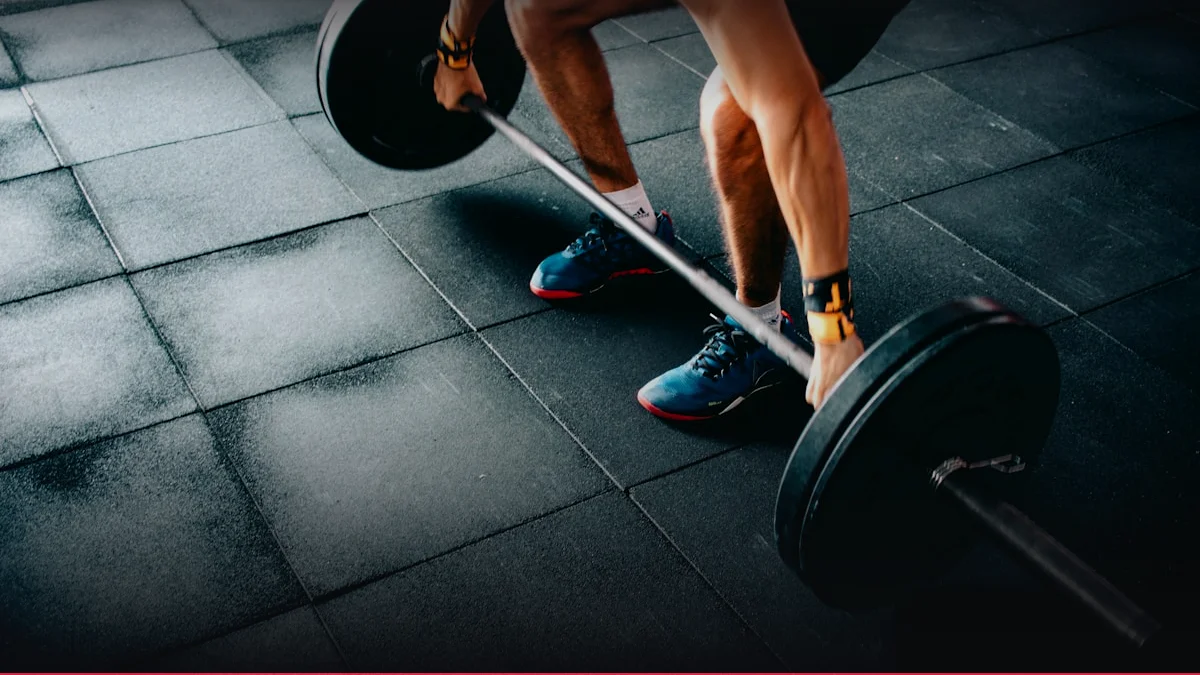
Kinematic Analysis: Kinematic analysis within micro space environments demands meticulous attention to joint alignment, center of mass management, and stability requirements. Constrained footprints necessitate exercises that minimize lateral displacement while maximizing vertical and sagittal plane force production. The biomechanical efficiency of movements must be optimized to prevent impingement risks and ensure full range of motion without spatial obstructions. Primary muscle recruitment patterns should prioritize multi-joint compound movements that engage large muscle groups, such as the quadriceps, gluteus maximus, latissimus dorsi, and pectoralis major, to maximize mechanical tension per unit of space. Secondary stabilizer activation, including the core musculature and rotator cuff complex, is heightened in micro spaces due to the reduced margin for error and the need for precise proprioceptive control.
Moment arm manipulation plays a critical role in exercise selection and execution within four to five square meters. Exercises that allow for adjustable leverages, such as cable-based movements or adjustable dumbbell routines, enable precise targeting of specific muscle bellies and fascicle orientations. The fascial continuity of kinetic chains must be preserved to ensure efficient force transfer and reduce injury risk. Techniques such as isometric holds and eccentric overload can be integrated to enhance neuromuscular activation without requiring extensive movement amplitudes. Furthermore, the utilization of suspension training systems and resistance bands introduces variable resistance profiles that challenge stability and recruit stabilizer muscles, compensating for the limited spatial availability for traditional free weight modalities.
- Kinematic Chain Integrity
- Maintenance of structural alignment throughout the movement trajectory, ensuring efficient force transmission from distal to proximal segments while minimizing shear forces on joints.
- Moment Arm Optimization
- Strategic adjustment of leverage distances to modulate resistance profiles, allowing for targeted muscle activation and progressive overload within spatial constraints.
- Spatial Vector Analysis
- Evaluation of force directions and movement paths to ensure compatibility with the micro space footprint, preventing collisions and maximizing biomechanical efficiency.
- Proprioceptive Acuity
- Enhanced neuromuscular feedback mechanisms required for precise control and stability in confined environments, reducing injury risk and improving movement quality.
4. Biochemical Impact on the Body
Resistance training within micro space environments elicits distinct biochemical responses driven by high-intensity, high-density protocols. The ATP-PCr system is predominantly recruited during short, explosive movements, necessitating rapid phosphocreatine resynthesis during inter-set rest periods. Metabolic stress accumulation, characterized by lactate and hydrogen ion buildup, is amplified in micro spaces due to the frequent use of supersets and circuit-style training to maximize efficiency. This metabolic environment stimulates cellular signaling pathways, including the mTORC1 complex, which upregulates protein synthesis and satellite cell proliferation. Concurrently, the AMPK pathway is activated in response to energy depletion, promoting mitochondrial biogenesis and oxidative capacity, thereby enhancing metabolic flexibility and endurance adaptations.
Hormonal cascades play a pivotal role in mediating the physiological adaptations to micro space training. Acute resistance exercise induces a surge in anabolic hormones, including testosterone and growth hormone, which facilitate muscle repair and hypertrophy. The cortisol response, often elevated in commercial gym settings due to environmental stressors, is typically attenuated in home micro spaces, creating a more favorable anabolic-to-catabolic hormone ratio. Insulin-like growth factor 1 (IGF-1) secretion is enhanced by mechanical tension and metabolic stress, promoting myofibrillar hypertrophy and connective tissue reinforcement. Myokine release, such as IL-6 and irisin, contributes to systemic anti-inflammatory effects and improved insulin sensitivity, underscoring the broader health benefits of consistent micro space training.
The biochemical impact extends to neural adaptations, with increased motor unit recruitment and firing frequency observed in response to high-intensity stimuli. Neurotransmitter dynamics, including dopamine and norepinephrine modulation, enhance focus and motivation, particularly in self-directed home training environments. The accumulation of reactive oxygen species during intense exercise triggers adaptive responses, including upregulation of antioxidant enzymes and improved cellular resilience. These biochemical mechanisms collectively support the hypothesis that micro space training, when programmed with appropriate intensity and volume, can induce comprehensive physiological adaptations comparable to larger facility training. The integration of biochemical monitoring tools, such as heart rate variability and metabolic carts, can further optimize training prescriptions for individual needs.
Gymnastics Rings: Support Hold Stability & RTO Torque
Medial stabilization torque on unstable ring suspension: rings-turned-out (RTO 45°) stress on distal biceps tendons and core stability.
Launch Tool5. Practical Methodology and Execution Technique
Practical implementation of micro space training requires precise setup protocols, equipment selection, and technique execution to maximize safety and efficacy. The initial phase involves spatial zoning, designating specific areas for load storage, movement execution, and recovery. Equipment should be selected based on versatility, load capacity, and footprint efficiency. Adjustable dumbbells, compact cable machines, and foldable benches are ideal choices, as they provide multiple resistance options within a minimal space. Floor loading distribution must be assessed to ensure structural integrity, with protective flooring installed to absorb impact and reduce noise transmission. Proper ventilation
Interactive Apps & Calculators for Article
Empirical mathematical algorithms and scientific formulas for sports optimization
 Sports Nutrition
Carnivore Diet Fat:Protein & Micronutrient Balance
Calculate fat-to-protein caloric ratio, calcium-to-phosphorus balance, heme iron, and electrolyte needs on carnivore diets.
Sports Nutrition
Gut Permeability & Microbiome: Zonulin & Butyrate Index
Assess enterocyte tight junction integrity, LPS endotoxin translocation risk, and dietary fiber butyrate fermentation yield.