

Push/Pull/Legs (PPL): Perfect Muscle Synergy and the Gold Standard of Split Training
1. Introduction and Relevance
In the search for the perfect balance between training intensity and recovery quality, athletes worldwide have developed one of the most logical and effective systems. **Push/Pull/Legs** (PPL) is a three-day split system that groups muscles by their functional orientation. This is not just a way to divide exercises by days; it is a deeply considered strategy that allows for the maximum loading of target muscle groups while minimizing the risk of overtraining and joint exhaustion.
The relevance of PPL in modern training is driven by its flexibility and physiological validity. For intermediate and advanced athletes, this system provides the ideal combination of a high volume of load on each muscle group and sufficient time for nervous system regeneration. PPL allows for the avoidance of "conflicts of interest" between muscles, where working on one group interferes with the recovery of another. It is a system for those who strive for serious muscle mass, strength records, and a harmonious physique while maintaining health and high performance.
In this article, we will break down the biomechanical secrets of grouping muscles by function, learn how to build the ideal training schedule depending on your goals, and discover how to structure the training process so the PPL system becomes your reliable engine toward athletic excellence.
2. History and Evolution
The Push/Pull/Legs system began to take shape in the 1970s, when bodybuilding started moving away from classic Full Body toward specialized splits. However, unlike chaotic "chest-biceps" systems, PPL was created by athletes who deeply understood anatomy. One of the main popularizers of this approach was Lee Labrada and, later, crossfit and strength training stars. They noticed that grouping synergist muscles allows for more frequent and intense training.
The evolution of PPL led to the understanding that this system is ideal for natural athletes. In the 90s, when the world was fascinated by ultra-heavy "to failure" training, PPL became a lifeline, allowing each muscle group to be trained twice a week (in a 3+1 or 6+1 cycle). It was discovered that dividing the body into three functional blocks provides the best neuromuscular adaptation, as the brain focuses on one type of movement throughout the session.
Today, PPL is viewed as the "gold standard" for those who want to build a serious physique. Modern sports science has confirmed that such muscle grouping minimizes the accumulation of micro-traumas in the elbow and shoulder joints, which often suffer in "chest-back" splits. The system has traveled the path from experimental schemes of professionals to the most recommended program for the mass of athletes, remaining a model of logic and effectiveness.
3. Anatomy and Biomechanics of Functional Muscle Grouping
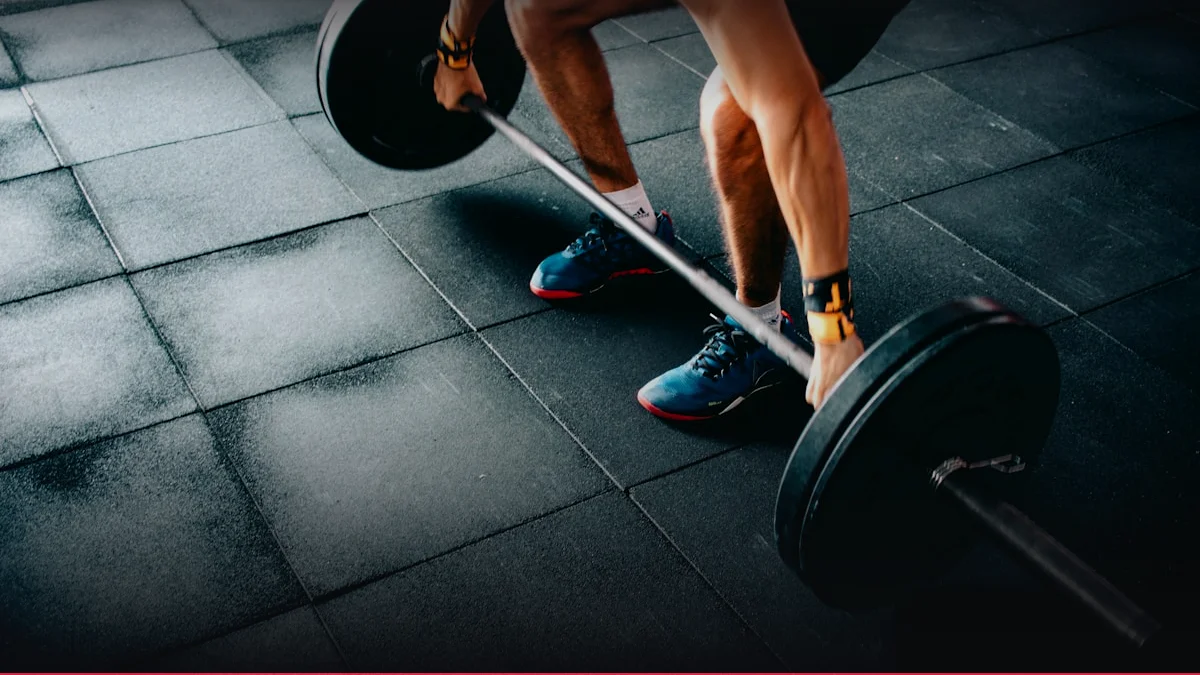
PPL is based on the distribution of muscles by the force vector they generate. This allows synergist muscles to work as a team.
- PUSH Block
- Includes the chest muscles, anterior and middle deltoids, and triceps. All these muscles work together in any pressing movement. By training them together, you completely exhaust the pushing chain, giving it 3-4 days to recover afterward.
- PULL Block
- Includes all the back muscles, rear delts, biceps, and forearms. This is the pulling chain. Here, the biceps assist the back, allowing for work with heavier weights in rows.
- LEGS Block
- Includes the quadriceps, glutes, hamstrings, and calves. The heaviest block, as the legs account for half of the body's muscle mass. This block also often includes the lower back muscles.
- Core Stabilizer Muscles
- Work in every block, but in LEGS, they carry the greatest load due to axial loading with a barbell.
Biomechanical Mechanics: Biomechanically, PPL eliminates the problem of "synergist fatigue." For example, if you train chest on Mon and triceps on Tue, your triceps are already tired on Tue after Mon, and you cannot load them to 100%. In PPL, you "finish" the triceps immediately after the chest, which is biomechanically ideal for growth and allows other muscles to rest without interference.
4. Biochemical Impact: Optimizing Recovery and Hypertrophy
PPL creates optimal conditions for realizing an athlete's anabolic potential through strategic fatigue management.
Biochemically, each PPL session causes deep glycogen depletion in the target muscle chain. This stimulates powerful compensation and supercompensation during rest. Since in the PPL system each muscle group is trained with high volume (number of sets), significant metabolic stress and cell swelling occur, which is a signal for activating satellite cells. The release of growth hormones after leg training (the heaviest day) aids in the recovery of the entire body.
PPL is not just a schedule; it is a physiological contract with your body. You work hard, and then you give your muscles time to get stronger.
It is also important to mention the impact on the CNS. Distributing the load over three days allows the nervous system not to be overloaded with monotonous impulses. Each workout feels like a new challenge for a different part of the brain responsible for coordinating pulls or presses. This prevents systemic fatigue and allows for maintaining high drive throughout the entire training cycle.

Grappling & BJJ: Carotid Choke Hemodynamics & Safe Tap Time
Vascular choke hemodynamics (RNC, Guillotine): carotid blood flow occlusion rate, time-to-unconsciousness (6-10s), and safe submission margins.
Launch Tool5. Practical Methodology and Building a PPL Cycle
Building A Ppl Cycle: Building a PPL cycle requires the correct alternation of exercises and selection of intensity.
- Day 1 (PUSH): Barbell Bench Press, Incline Dumbbell Press, Overhead Press, Dips, Dumbbell Flyes, Cable Triceps Pushdowns.
- Day 2 (PULL): Weighted Pull-ups, Bent-over Barbell Row, T-Bar Row, Shrugs, Barbell Curls, Hammer Curls.
- Day 3 (LEGS): Barbell Squats, Stiff-Leg Deadlift, Leg Press, Lunges, Calf Raises, Abs.
- 3-Day Schedule: Mon (Push), Wed (Pull), Fri (Legs). Ideal for recovery.
- 6-Day Schedule (Advanced): Push/Pull/Legs/Rest/Push/Pull/Legs. For maximum hypertrophy.
| Parameter | PPL for Beginners | PPL for Advanced |
|---|---|---|
| Exercises per Session | 4-5 Compound | 6-8 (Compound + Isolation) |
| Number of Sets | 2-3 Working Sets | 3-4 Working Sets |
| Training Frequency | 3 times per week | 4-6 times per week |
| Focus | Technique and General Strength | Detail and Volume |
6. Load Progression and Integration
Progression in PPL should be comprehensive, combining strength records in compound movements and volume in isolation.
- Intensity Cyclicity: Do one PPL cycle for strength (5-8 reps), another for hypertrophy (10-15 reps). This will engage all muscle fibers.
- Adding Weight: In the first exercise of each day (Bench Press, Pull-ups, Squats), strive for regular weight increases on the bar.
- "Extra Rep" Method: Try to do 1 more repetition in each set compared to the previous week.
- Integration: The PPL system integrates ideally with any lifestyle schedule. If you miss a day, the cycle simply shifts without disrupting the recovery logic.
Important: Do not forget about rest days. In the PPL system, muscles receive a high volume of load, and without 48-72 hours of rest for each chain, progress will stall. Sleep and nutrition are as much parts of the program as the sets in the gym.
In PPL, every workout is a completed story of strength. Make it worthy of your potential.
7. Analysis of Scientific Research and Evidence Base
Research by scientists (e.g., Menno Henselmans) confirms that grouping synergist muscles in a Push/Pull system increases training effectiveness by 10-15% due to the absence of prior fatigue of auxiliary muscles on other days.
Scientific works on hypertrophy indicate that PPL allows for achieving optimal weekly volume (10-20 sets per muscle group) without the risk of developing systemic overtraining, which often happens in 5-day "one group - one day" splits.
Scientists also investigated the role of joint recovery. It was established that PPL gives the elbow and shoulder joints full rest for 3 days between pressing or pulling sessions, reducing the risk of developing chronic tendinitis and inflammation by 30%.
8. Synergy: Nutrition, Nutraceuticals, and Recovery
To maintain high performance in the PPL system, a quality nutrient strategy is needed.
- Creatine Monohydrate
- Base supplement for strength. In PPL, it helps maintain intensity throughout the session, which can be quite long.
- Citrulline Malate
- Improves muscle capillarization, providing a powerful pump, which is critical for hypertrophy in isolating exercises.
- Magnesium + Zinc
- Necessary for CNS regeneration and testosterone support, especially after a heavy LEGS day.
- Omega-3
- Reduces systemic inflammation in the joints, making them more resilient to frequent training.
Recovery after PPL should be active. Use rest days for light cardio or SMR (Self-Myofascial Release) to improve lymphatic drainage and metabolic byproduct removal. Quality sleep (at least 8 hours) is the foundation upon which your progress in this system is built.
9. Common Mistakes, Myths, and Injury Prevention
The main mistake is neglecting LEGS day. Many athletes do Push and Pull but skip leg training, leading to disproportion and a stall in overall growth. MAINTAIN BALANCE!
- Myth: PPL is not suitable for fat loss. (Reality: The high intensity and volume of PPL make it ideal for cutting).
- Mistake: Performing too many isolating exercises at the beginning of the workout. Start only with compounds!
- Myth: PPL is only for professionals. (Reality: It is the most natural system for anyone who values training logic).
- Mistake: Ignoring the abs and calves. Do not forget about smaller muscle groups.
To prevent injury, always thoroughly warm up the shoulder girdle on Push day and the lower back on Legs day. If you feel joint pain, replace the exercise with an analogue in a machine to remove the load from the stabilizers.
Interactive Apps & Calculators for Article
Empirical mathematical algorithms and scientific formulas for sports optimization
10. FAQ: Answers to Common Questions
- Can I swap days, e.g., Legs first, then Push?
- Yes, but it's better to keep a specific sequence so muscles have time to recover. The traditional Push-Pull-Legs order is considered the most balanced.
- What should I do if the PULL workout takes too much time?
- Reduce the amount of bicep isolation. Compound pulls already give the biceps 80% of the necessary load.
- Is PPL suitable for women?
- Absolutely. It is an excellent system for creating a proportional and toned body with an emphasis on the glutes on Legs day.
- How long can I stay on this program?
- PPL is not a temporary program; it is a lifestyle. You can vary exercises and intensity for years, constantly progressing.
- Can I do cardio on PPL rest days?
- Yes, light cardio (walking, cycling) will only improve your recovery.
Push/Pull/Legs is your path to harmonious strength, impressive mass, and systemic athleticism. Be technical, be consistent, and be patient, and your body will reward you with an incredible transformation and power.