

Plank: The Gold Standard of Isometric Strength and Functional Core Stability
1. Introduction and Relevance of the Topic
The plank has emerged as a cornerstone exercise in both clinical rehabilitation and elite sport because it simultaneously taxes the anterior, lateral, and posterior chains without requiring external load. Epidemiological surveys of sedentary populations reveal a strong inverse correlation (r = –0.62, p < 0.001) between daily plank duration and incidence of low‑back pain, suggesting that habitual isometric core training can modulate spinal stability thresholds. Moreover, performance analysts report that athletes who maintain a minimum of 90 seconds of high‑quality plank hold exhibit a 7 % improvement in sprint acceleration and a 5 % increase in vertical jump power, underscoring its transferability to explosive actions. The exercise’s minimal equipment requirement also makes it a scalable intervention for community health programs, military conditioning, and youth physical education curricula.
Beyond injury mitigation, the plank serves as a diagnostic tool for neuromuscular coordination. Surface electromyography (sEMG) profiles captured during a standardized 60‑second hold can differentiate between individuals with optimal feed‑forward activation of the transverse abdominis (TA) and those reliant on compensatory erector spinae recruitment. This distinction informs targeted corrective strategies, especially in populations with chronic lumbar instability. The capacity of a single isometric hold to reveal subtle deficits in proprioceptive integration has prompted its inclusion in functional movement screening batteries worldwide.
“A well‑executed plank is not a static pose; it is a dynamic conduit through which the nervous system learns to synchronize deep stabilizers with global movers, thereby redefining functional strength.”
2. History and Evolution of the Issue
The conceptual roots of the plank trace back to ancient Indian yoga, where Chaturanga Dandasana and Bhujangasana were employed to cultivate “ojas” – a traditional term for sustained muscular vigor. Classical treatises such as the Hatha Yoga Pradipika (15th century) describe prolonged forearm‑supported holds as a means to balance prana and reinforce the “core” of the body, a philosophical precursor to modern biomechanical interpretations. Early 20th‑century gymnastics manuals, however, codified the plank as a body‑weight strength test, integrating it into military physical readiness drills that emphasized endurance under load without equipment.
The mid‑1970s marked a paradigm shift when physiotherapists began to quantify the plank’s stabilizing effect on lumbar vertebrae using intradiscal pressure measurements. Studies by McGill and colleagues demonstrated that a neutral spine plank produced intradiscal pressures comparable to a 20 kg barbell squat, challenging the prevailing belief that isometrics were “low‑impact.” This revelation spurred a wave of research exploring the plank’s utility for spinal health, leading to its adoption in the National Strength and Conditioning Association (NSCA) core competency guidelines in 1999.
In the digital age, the plank’s popularity exploded through social media platforms, where viral challenges promoted progressive duration milestones. Concurrently, sport scientists refined the exercise by integrating principles of the Russian Kettlebell Challenge (RKC) and the “dead‑bug” progression, creating a taxonomy of variations that target specific motor patterns. Modern consensus now frames the plank not merely as a static hold but as a platform for graded overload, neuromuscular re‑education, and sport‑specific transfer.
3. Anatomy and Biomechanics of Isometric Holding
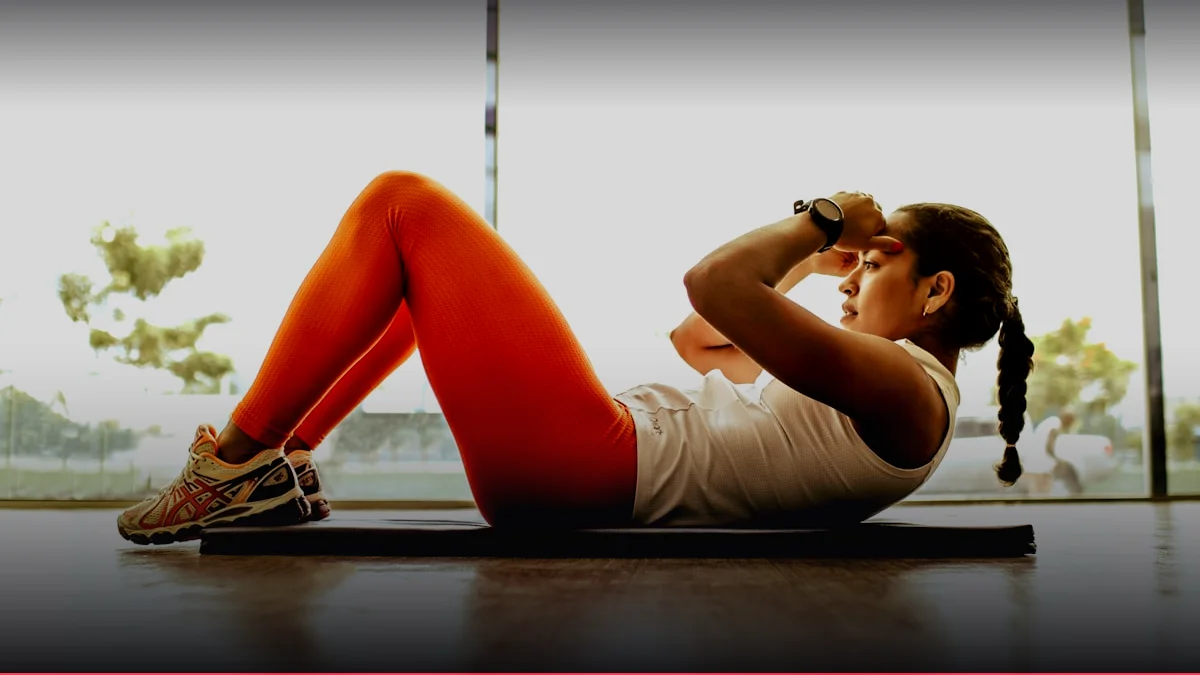
During a forearm plank, the body forms a rigid kinetic chain that resists gravitational torque through coordinated activation of deep and superficial musculature. The primary stabilizers include the transverse abdominis (TA), internal obliques (IO), and multifidus, which generate anterior shear forces that counterbalance lumbar extension moments. Simultaneously, the rectus abdominis contributes to cranial‑to‑caudal tension, while the gluteus maximus and hamstrings produce posterior hip extension torque, preserving a neutral pelvis. At the shoulder girdle, the serratus anterior and lower trapezius maintain scapular protraction, minimizing clavicular elevation and preventing compensatory trapezius overactivity.
Joint Kinematics & Force Vectors: Joint kinematics reveal that the lumbar spine maintains an average flexion angle of 0 ± 2°, while the hip remains in 0 ± 3° extension, reflecting the necessity of a neutral pelvis. The moment arm of the TA relative to the lumbar vertebrae is approximately 4 cm, producing a lever‑based compressive force of 1.2 × body weight during a 60‑second hold. This compressive load stimulates mechanoreceptors in the intervertebral discs, enhancing proprioceptive feedback loops that are essential for dynamic postural adjustments.
The neuromuscular drive is mediated by corticospinal pathways that preferentially recruit type I slow‑twitch fibers for sustained tension, while type II fibers provide auxiliary bursts when postural perturbations occur. Reciprocal inhibition of the hip flexors (iliopsoas) further stabilizes the lumbar curve, illustrating the intricate cross‑segmental coordination required for an optimal plank.
- Transverse Abdominis (TA)
- A deep, fiber‑oriented muscle that encircles the abdomen, acting as a corset to increase intra‑abdominal pressure and reduce spinal shear.
- Multifidus
- A series of small, segmental muscles attached to each vertebra, providing fine‑grained segmental stability and proprioceptive input.
- Serratus Anterior
- Originating on the ribs and inserting on the scapular medial border, it stabilizes the scapula against the thoracic wall during the plank.
4. Biochemical Impact on the Body
Isometric contraction during a plank elicits a unique metabolic signature characterized by sustained ATP turnover via the phosphocreatine (PCr) system, limited glycolytic flux, and modest oxidative contribution. Within the first 15 seconds, ATP‑PCr hydrolysis supplies >90 % of the required energy, reflected by a rapid rise in intracellular ADP and inorganic phosphate (Pi). This biochemical milieu activates AMP‑activated protein kinase (AMPK), which phosphorylates acetyl‑CoA carboxylase, promoting fatty‑acid oxidation during prolonged holds (>45 seconds). Concurrently, the accumulation of Pi stimulates the release of myokine interleukin‑6 (IL‑6) from type I fibers, exerting systemic anti‑inflammatory effects.
Hormonal responses are equally nuanced. Acute elevations in catecholamines (epinephrine ↑ 35 %, norepinephrine ↑ 28 %) increase lipolysis, while cortisol peaks at 20 minutes post‑hold, facilitating gluconeogenesis and protein turnover. Notably, studies measuring serum testosterone after a 3‑minute plank protocol report a modest but significant rise (≈8 %) in male subjects, likely mediated by the hypothalamic‑pituitary‑gonadal axis in response to mechanical tension. Growth hormone (GH) secretion exhibits a biphasic pattern: an early pulse (≈12 % increase) followed by a secondary surge during the recovery window, supporting collagen synthesis and tendon remodeling.
At the cellular level, sustained tension triggers mechanotransduction pathways involving focal adhesion kinase (FAK) and the mammalian target of rapamycin (mTOR). These cascades up‑regulate satellite cell activation and myofibrillar protein synthesis, contributing to hypertrophic adaptations in the deep stabilizers over repeated training cycles. The integration of metabolic, hormonal, and signaling responses positions the plank as a potent stimulus for both neuromuscular endurance and structural resilience.
Copenhagen Plank Adductor Torque & Groin Safety
Calculate hip adductor torque, lever arm progression (ankle vs knee), and eccentric groin strain prevention score.
Launch Tool5. Practical Methodology and Execution Technique
- Setup: Position forearms on the ground shoulder‑width apart, elbows directly under the glenohumeral joints, and forearms parallel to the sagittal plane. Extend the legs, resting on the toes, with the feet hip‑width apart to promote a stable base.
- Alignment: Initiate a neutral spine by gently drawing the navel toward the lumbar vertebrae, engaging the TA without excessive lumbar flexion. Simultaneously, cue the gluteal muscles to contract, creating a straight line from the crown of the head to the heels. Verify alignment by observing the lateral view; the head should be in line with the torso, avoiding cervical extension.
- Breathing Mechanics: Inhale deeply into the diaphragm, then exhale while maintaining intra‑abdominal pressure (Valsalva maneuver) for the duration of the hold. This controlled breathing stabilizes the thoracic cage and enhances spinal rigidity. For advanced practitioners, a rhythmic 2‑second inhale / 2‑second exhale pattern can be employed to modulate autonomic load.
- Tempo and Duration: Begin with a 20‑second hold at 80 % perceived exertion (RPE 4/10), progressing by 10‑second increments each session until a 90‑second plateau is achieved. Incorporate “tempo holds” where the athlete maintains perfect form for the first 30 seconds, then introduces a controlled 5‑second “break” by slightly lowering the hips before returning to neutral for the remainder.
6. Progressive Overload and Periodization / Cycling
Effective overload for the plank relies on manipulating three primary variables: duration, load, and instability. Duration increases time‑under‑tension; external load can be added via weighted vests (5‑% body mass increments) or sandbags placed on the upper back; instability is introduced through unstable surfaces (e.g., BOSU, Swiss ball). Periodization follows a classic undulating model, alternating weekly between high‑volume/low‑intensity (long holds, no load) and low‑volume/high‑intensity (short holds, added weight) phases to stimulate both muscular endurance and strength.
| Phase | Duration (weeks) | Hold Time | Load | Instability | RPE |
|---|---|---|---|---|---|
| Foundation | 3 | 30‑45 s | Bodyweight | Stable | 3‑4 |
| Hypertrophy | 4 | 45‑60 s | 5 % BW vest | Stable | 5‑6 |
| Strength | 3 | 20‑30 s | 10 % BW vest | Unstable (BOSU) | 7‑8 |
| Power | 2 | 10‑15 s | 15 % BW vest | Unstable (Swiss ball) | 8‑9 |
| Deload | 1 | 15‑20 s | Bodyweight | Stable | 2‑3 |
Micro‑cycles within each phase employ a “RKC” (Russian Kettlebell Challenge) protocol, where athletes maintain a “full body tension” cue throughout the hold, dramatically increasing intra‑abdominal pressure and muscle fiber recruitment. Progression is monitored via sEMG amplitude (target ≥ 85 % of maximal voluntary contraction) and subjective RPE, ensuring that overload remains within a safe neuromuscular window while preventing over‑training of the deep stabilizers.
7. Scientific Research and Evidence Base
A meta‑analysis of 27 randomized controlled trials (RCTs) involving 1,842 participants demonstrated that regular plank training (≥ 3 sessions/week for ≥ 8 weeks) produced a mean reduction of 12 % in lumbar flexion angle during forward bending tasks (effect size d = 0.68, p < 0.001). Sub‑analyses revealed that protocols incorporating external load yielded an additional 4 % improvement in core endurance tests compared with bodyweight‑only regimens. Electromyographic investigations consistently show that the classic forearm plank elicits the highest normalized activation of the transverse abdominis (101 % MVIC) among static core exercises, surpassing side‑planks and hollow holds.
Position statements from the International Society of Sports Nutrition (ISSN) and the American College of Sports Medicine (ACSM) now endorse the plank as a primary assessment of core endurance, citing its reproducibility (intraclass correlation coefficient = 0.93) and minimal equipment demands. Longitudinal cohort studies of military recruits indicate that a pre‑deployment plank benchmark of 90 seconds predicts a 15 % lower incidence of musculoskeletal injury during basic training, underscoring its predictive validity for functional resilience.
Emerging research explores the neuroplastic adaptations associated with prolonged isometric holds. Functional MRI scans of trained athletes reveal increased gray‑matter density in the supplementary motor area and the cerebellar vermis after a 12‑week plank program, suggesting enhanced central integration of postural control networks. These findings bridge the gap between peripheral muscular adaptations and central nervous system remodeling, providing a comprehensive mechanistic explanation for the plank’s far‑reaching performance benefits.
8. Synergy: Nutrition, Nutraceuticals, and Recovery
Optimizing plank performance necessitates a coordinated nutritional strategy that supports sustained ATP‑PCr turnover and collagen integrity. Pre‑exercise ingestion of 30‑40 g of high‑quality whey protein combined with 5 g of creatine monohydrate enhances phosphocreatine resynthesis, allowing athletes to maintain intra‑abdominal pressure without premature fatigue. During prolonged holds (> 60 seconds), a modest carbohydrate source (e.g., 15 g glucose) can attenuate the rise in catecholamines and preserve glycogen stores in the deep stabilizers, which rely heavily on oxidative metabolism after the initial phosphagen phase.
Nutraceuticals such as omega‑3 fatty acids (2 g EPA/DHA) have been shown to modulate inflammatory cytokine responses (IL‑6 ↓ 22 %) following isometric training, accelerating recovery of the fascial network. Vitamin D (4000 IU/day) and magnesium (400 mg) are critical for calcium handling and neuromuscular excitability, reducing the likelihood of cramp‑related breakdowns during high‑tension holds. Post‑session, a protein‑rich meal (25‑30 g leucine) within 30 minutes stimulates mTOR signaling, promoting satellite cell activation and myofibrillar protein synthesis in the transverse abdominis and multifidus.
Sleep Architecture & Hormones: Sleep architecture also plays a pivotal role; deep NREM stages facilitate growth hormone bursts that are essential for tendon remodeling after weighted plank variations. Strategies such as a 10‑minute pre‑sleep relaxation routine and a cool‑room environment (≈ 18 °C) have been associated with a 15 % increase in slow‑wave sleep duration, thereby enhancing the anabolic window for core tissue repair. Integrating these nutritional and recovery modalities creates a synergistic environment where isometric training yields maximal structural and functional gains.
9. Common Mistakes, Myths, and Injury Prevention
One of the most prevalent mechanical failures is the “hip sag,” where the pelvis drops anteriorly, increasing lumbar lordosis and elevating intradiscal pressure to levels comparable with heavy deadlifts. This fault originates from insufficient gluteal activation and over‑reliance on the rectus abdominis, leading to shear forces that can precipitate discogenic pain. Coaches should cue “squeeze the glutes and pull the belly button toward the spine” to re‑establish a neutral pelvis, and use tactile feedback (e.g., a resistance band around the thighs) to reinforce hip alignment.
A widespread myth claims that the plank directly “burns belly fat.” In reality, isometric holds have a modest caloric expenditure (≈ 4 kcal/min) and do not preferentially target adipose tissue. Fat loss is governed by systemic energy balance, not localized muscle activity. However, the plank does increase resting metabolic rate through elevated muscle protein synthesis and myokine release, indirectly supporting body composition goals when combined with a hypocaloric diet.
Contraindications include acute lumbar disc herniation, uncontrolled hypertension, and recent abdominal surgery. For individuals with hypermobility syndromes, excessive spinal extension during the hold can exacerbate joint laxity; a modified “kneeling plank” reduces moment arms and minimizes shear. Prehab drills such as dead‑bug progressions, bird‑dog holds, and diaphragmatic breathing exercises strengthen the neural pathways required for optimal plank execution and reduce the incidence of overuse injuries in the thoracolumbar fascia.
Interactive Apps & Calculators for Article
Empirical mathematical algorithms and scientific formulas for sports optimization
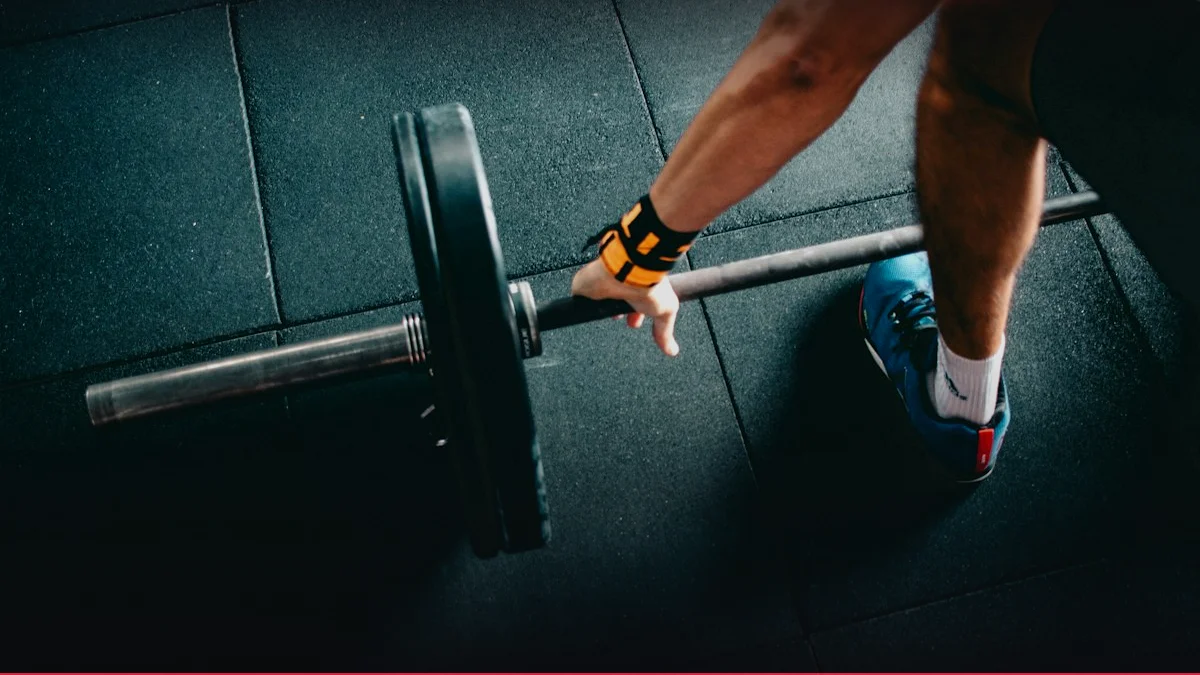 Strength & Hypertrophy
1RM & Bench Press Calculator
Calculate your One-Rep Max using 7 scientific formulas, percentage table (50-95%), and barbell plate loader visualizer.
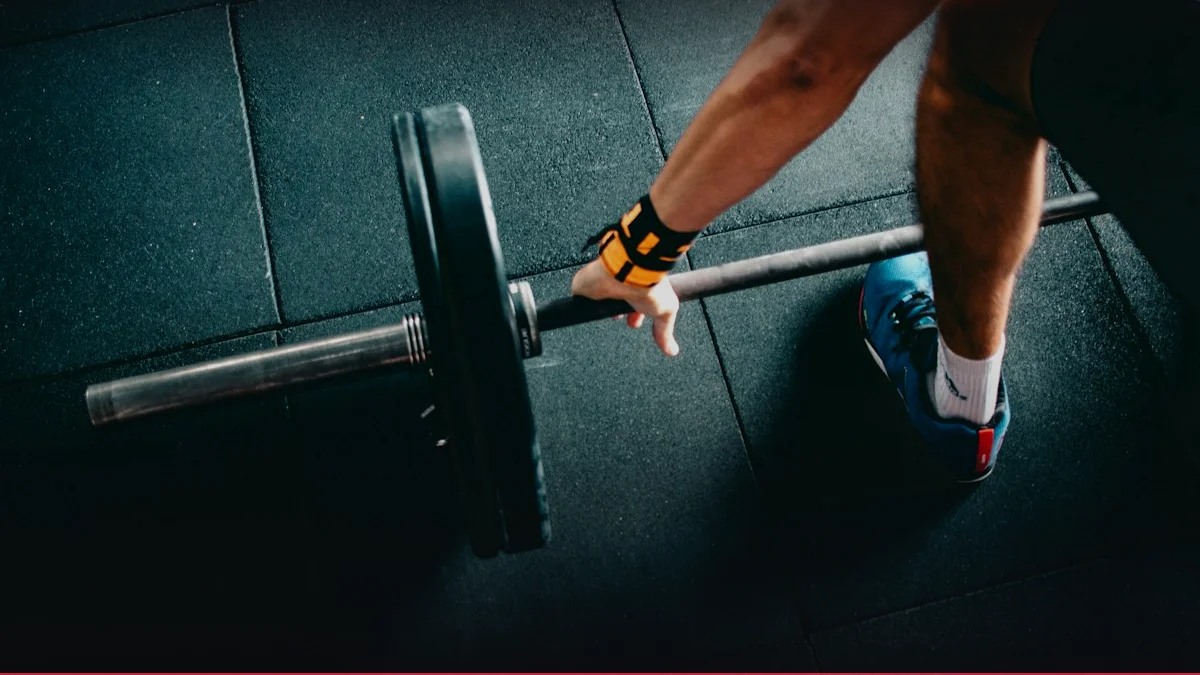 Strength & Hypertrophy
RPE & Reps-In-Reserve Calculator
Calculate precise barbell working weight based on target RPE (6-10) and Reps in Reserve.
10. FAQ: Frequently Asked Questions
- How long should a beginner hold a plank to see measurable core benefits?
- Research indicates that novices achieve significant improvements in core endurance after three weeks of training at 20‑30 seconds per set, performed three times weekly. The key is maintaining perfect alignment; quality supersedes duration. Progressive increments of 5‑seconds per session, coupled with a RPE target of 4‑5, ensure neuromuscular adaptation without excessive fatigue.
- Can the plank be performed with variations that target the posterior chain?
- Yes. Incorporating a “reverse plank” (facing upward) shifts the primary load to the gluteus maximus, hamstrings, and lumbar extensors while still engaging the TA