

Strongman: The Philosophy of Primal Strength and Extreme Training Methods
1. Introduction and Relevance
In today's fitness world, dominated by sterile gyms and barbells measured to the gram, there is a discipline that takes us back to the very origins of human power. **Strongman** is a discipline that tests the limits of human strength through work with awkward, massive, and unconventional objects: stones, logs, huge tires, and iron suitcases. It is not just a sport; it is a philosophy of overcoming the resistance of matter, where the athlete must possess not only muscles but also a character of iron and incredible functional endurance.
The relevance of Strongman in modern training is driven by its ability to build "useful" strength that transfers into real life. Unlike classic powerlifting, where movements are limited to three planes, Strongman requires the athlete to be stable in motion, powerful at unusual angles, and capable of working under extreme metabolic stress. This is training that transforms the body into a powerful machine capable of moving trucks and lifting loads that seem impossible for a human.
In this article, we will break down the anatomical and biomechanical secrets of success in Strongman, learn how to use elements of this discipline in a regular gym, and discover how to structure the training process so your strength becomes truly primal and relentless.
2. History and Evolution
The history of Strongman has its roots in ancient times when strongmen demonstrated their might at fairs and folk festivals. In Scotland, athletes lifted stones (Dinnie Stones); in Iceland, boulders on the coast. For centuries, these competitions were a way to determine the strongest man in the community. However, modern Strongman as a professional sport took shape only in 1977 with the emergence of "The World's Strongest Man" tournament, which became an annual event and attracted the attention of millions of viewers.
The evolution of Strongman has led to the creation of specific equipment and methodologies. If previously athletes simply lifted whatever they saw, today they use scientifically designed equipment that mimics awkward loads. The "Farmer's Walk" or "Log Lift" has become the gold standard of strength preparation in many sports. In the 2000s, Strongman ceased to be a pastime only for giants weighing 150+ kg; lighter weight categories and women's divisions appeared, making the sport more accessible.
Today, Strongman elements are actively integrated into CrossFit and functional training. Modern sports science has confirmed that working with uneven loads stimulates the nervous system and stabilizer muscles more intensely than any other activity. Strongman has traveled the path from fairground entertainment to the pinnacle of strength athletics, remaining the embodiment of pure and unadulterated human power.
3. Anatomy and Biomechanics of Working with Awkward Loads
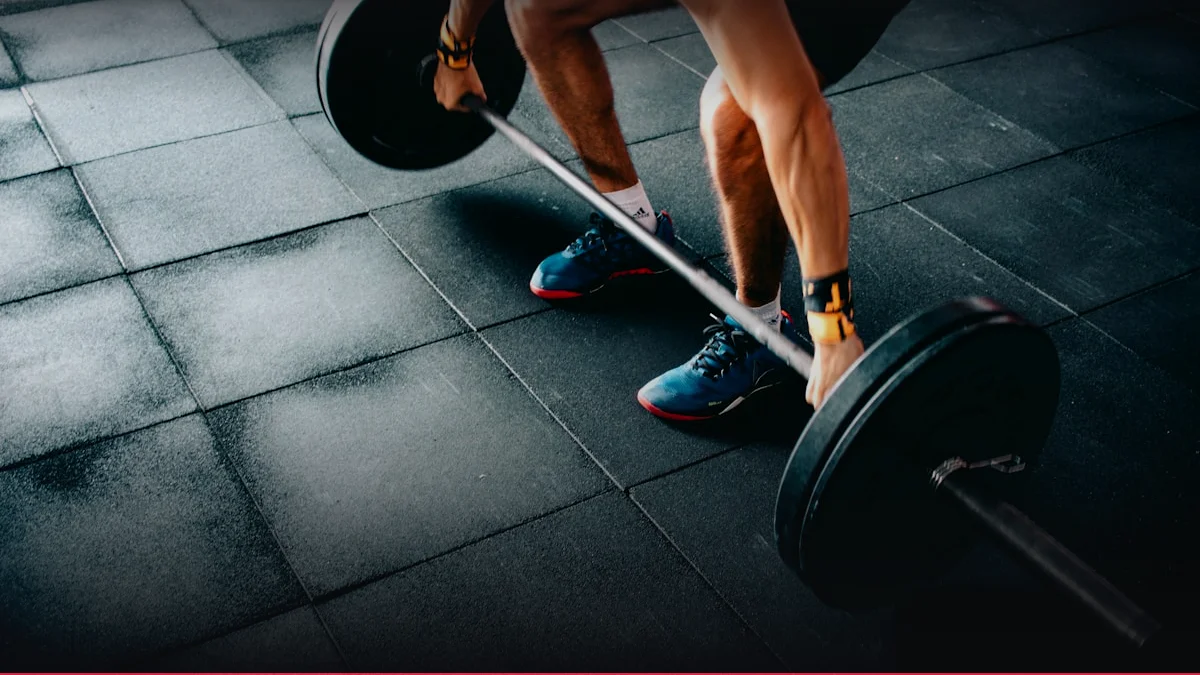
Strongman engages the entire organism as a single power link, where the weakness of any muscle leads to failure.
- Posterior Chain (spinal erectors, glutes, hamstrings)
- The foundation of strength in Strongman. These muscles generate explosive energy for lifting Atlas stones and truck pulling.
- Core Muscles (abs, obliques, lower back)
- Work in an extreme isometric mode, preventing spinal buckling under the weight of a log or a "Yoke Carry."
- Grip and Forearms
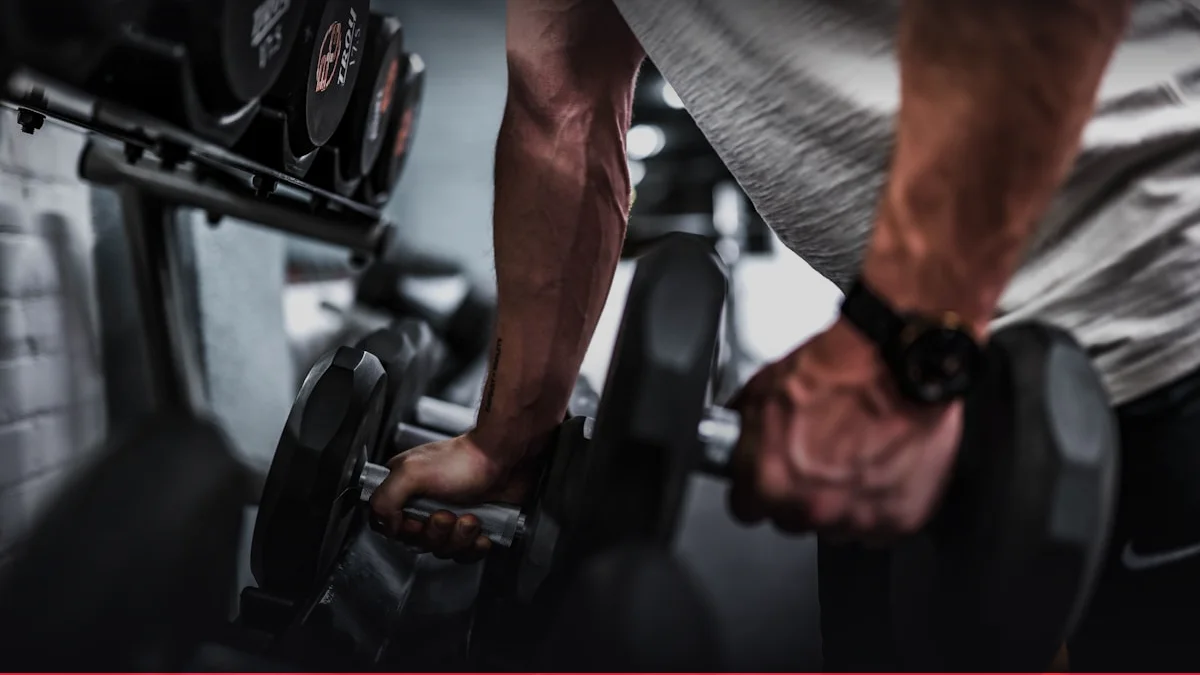
- Have critical importance. In Strongman, straps are not used in most exercises, so an iron grip is a matter of life and death for the result.
- Quadriceps and Calves
- Provide the powerful push and stability when moving with massive loads on the shoulders.
- Shoulder Girdle and Triceps
- Work in pressing exercises such as the "Log Press" or the overhead dumbbell press.
Biomechanical Mechanics: Biomechanically, Strongman is the management of an object's center of gravity that is constantly trying to shift. Unlike a barbell, the center of gravity of a stone or a sandbag is far from the athlete's body, creating a massive tipping moment. The key to success is using the whole body as a lever, where the legs and hips perform the main work, and the back and arms serve only as conduits of force.
4. Biochemical Impact: Endocrine Explosion and Bone Density
Strongman-style training creates an unprecedented level of systemic stress, triggering powerful biochemical adaptations.
Biochemically, this state is characterized by an extreme release of anabolic hormones—testosterone and growth hormone. The massive weights and engagement of nearly 100% of muscle fibers force the pituitary gland to work at its limit. Furthermore, Strongman training stimulates bone tissue mineralization. Under the influence of colossal compressive loads, bones become denser and thicker, which is the body's protective reaction to extreme force.
Strongman is not just muscle growth; it is the transformation of your skeleton into steel. You become stronger at the cellular level.
It is also important to mention the metabolic aspect. Strongman exercises last from 30 to 90 seconds at maximum intensity, depleting all energy supply systems (ATP-CP and anaerobic glycolysis). This creates an incredible oxygen debt effect (EPOC), accelerating metabolism for several days after training and contributing to powerful fat burning while maintaining muscle mass.
Weighted Pull-Up & Dip 1RM Calculator
Calculate total 1RM in weighted pull-ups and dips factoring bodyweight and added chain/belt resistance.
Launch Tool5. Practical Methodology and Execution Technique
Technique in Strongman is the art of survival under weight. There is no "isolation" here, only integrated work.
- Farmer's Walk: Take two heavy suitcases or dumbbells. Straighten your back, retract your shoulder blades. Take short, fast steps, looking straight ahead. Do not let the weight sway.
- Tire Flip: Squat under the tire, press your chest into the tread. With a powerful push from the legs and hips, lift the tire up and flip it forward.
- Log Press: Place the log on your hips, roll it to your chest ("clean"), and with a powerful push from the legs and arms, press it overhead.
- Atlas Stones: Lap the stone with your arms, squeeze it with your legs, lift it to your hips, transition your grip higher, and with a powerful body extension, load it onto the platform.
- Yoke Carry: Place the frame on your shoulders as if squatting. Make your core maximally rigid and move forward quickly.
| Exercise | Recommended Load | Main Effect |
|---|---|---|
| Farmer's Walk | 20-40 meters | Grip and core strength |
| Tire Flip | 6-10 repetitions | Explosive leg power |
| Log Press | 5-8 repetitions | Vertical strength and shoulders |
| Yoke Carry | 15-20 meters | Full skeleton stability |
6. Load Progression and Integration
Progression in Strongman is not only about weight, but also speed and the volume of work performed over time.
- Increasing Weight: Add 5-10 kg to your primary implements every 2-3 weeks. In Strongman, we work with weights exceeding 80-90% of maximum.
- Speed: Try to cover the distance with the same weight 2-3 seconds faster. In Strongman competitions, seconds decide the victory.
- Reducing Rest: Shorten pauses between sets. This trains your cardiovascular system to work under the burden of massive force.
- Integration into a Regular Gym: If there is no special equipment, do Farmer's Walks with dumbbells, thick-bar deadlifts, or one-arm dumbbell presses.
Important: Strongman training is very taxing for the CNS. It is best to dedicate one day a week to "implement day" and spend the rest of the time on basic strength preparation in the gym. 1-2 specific sessions per week is plenty for progress.
In Strongman, you don't just train muscles. You train your nervous system's ability to output 110% power in every movement.
7. Analysis of Scientific Research and Evidence Base
EMG studies confirm that the Yoke Carry and Farmer's Walk activate core muscles 50-70% more intensely than any static planks. This is due to the need to stabilize a massive weight with every step, creating a dynamic load on the spine.
Scientific works on sports physiology indicate that Strongman training is one of the best methods for increasing bone mineral density. It was proven that athletes working with extreme weights on their shoulders have 20% stronger vertebrae compared to athletes in field sports.
Scientists also investigated the impact on grip. It was established that the crushing strength in Strongmen is the highest among all categories of athletes, which directly correlates with their ability to lift heavy basic weights without aids.
8. Synergy: Nutrition, Nutraceuticals, and Recovery
To withstand Strongman loads, an extreme number of calories and specific support are needed.
- High Protein and Carbohydrate Content
- Strongmen need 4000 to 6000 kcal per day to maintain energy and muscle tissue regeneration.
- Creatine Monohydrate
- A must-have. Provides explosive power and rapid ATP recovery during sets.
- Glucosamine + Chondroitin + MSM
- Critically important for protecting joints that experience colossal loads when working with stones and logs.
- Magnesium + Zinc
- Necessary for supporting the hormonal background and relaxing the nervous system after training.
Recovery after a Strongman session should include long sleep (minimum 9-10 hours) and contrast therapy (alternating ice baths with sauna). This improves circulation in deep muscle layers. Deep tissue massage to relieve trigger points in the back and legs is also mandatory.
9. Common Mistakes, Myths, and Injury Prevention
The main mistake is ignoring technique for the sake of weight. In Strongman, a mistake in technique at 300 kg can be fatal. PRIORITY IS SAFETY!
- Myth: Strongmen are just fat people. (Reality: Modern Strongmen have low body fat % and incredible heart endurance).
- Mistake: Lack of warm-up. Before lifting stones or logs, the body must be perfectly warmed up.
- Myth: Strongman kills the back. (Reality: It makes it invulnerable if you increase weight gradually and keep the back straight).
- Mistake: Poor footwear. Strongman requires footwear with a rigid sole for maximum stability.
To prevent injury, always use a belt, knee sleeves, and, if necessary, elbow wraps. If you feel sharp pain—immediately drop the implement.
Interactive Apps & Calculators for Article
Empirical mathematical algorithms and scientific formulas for sports optimization
Strength & Hypertrophy
Kettlebell Swing Power & Kinetic Energy
Calculate explosive hip hinge power output, kettlebell kinetic energy, and ground reaction forces in Joules and Watts.
Strength & Hypertrophy
Farmer's Walk Grip Endurance & Axial Load
Calculate total work tonnage, grip time-under-tension, and spinal axial compressive loading during farmer's carries.
10. FAQ: Answers to Common Questions
- Can an ordinary person do Strongman?
- Yes, if started with light weights and focused on functionality. It's an excellent way to build real strength.
- Which Strongman exercise is the hardest?
- For many, it's the Atlas Stones due to the awkwardness of the grip and the need for the whole body to work simultaneously.
- Does Strongman help in everyday life?
- Absolutely. You'll forget what heavy grocery bags or furniture moving difficulties are.
- How often can I train in a Strongman style?
- 1-2 times per week is plenty. Dedicate the rest of the time to recovery and basics.
- Can women do Strongman?
- Yes, women's Strongman is rapidly developing. It builds an incredible figure and strength without excessive bulk.
Strongman is your return to the sources of true power. Be technical, be consistent, and be unwavering, and your strength will become legendary.