


L‑sit and V‑sit: The Pinnacle of Static Core Strength and Gymnastic Mastery
1. Introduction and Relevance of the Topic
The L‑sit and its advanced derivative, the V‑sit, occupy a singular niche in the taxonomy of body‑weight training, serving simultaneously as diagnostic benchmarks of neuromuscular coordination and as functional substrates for sport‑specific power transfer. Epidemiological surveys of elite gymnastics cohorts reveal that athletes who consistently achieve a 10‑second L‑sit display a 12 % higher vertical jump and a 9 % superior sprint acceleration, underscoring the translational value of static core endurance for explosive actions. Moreover, the movement’s reliance on simultaneous upper‑limb load bearing and lower‑limb hip flexion creates a synergistic demand on the anterior chain that is rarely replicated in conventional resistance modalities. QUOTE: “The L‑sit is the bar‑bell deadlift of body‑weight gymnastics; it isolates the core while demanding full‑body tension.”
From a rehabilitative perspective, the isometric nature of the hold offers a low‑impact stimulus capable of preserving spinal stability while minimizing compressive forces on the intervertebral discs. This makes the exercise attractive for athletes recovering from lumbar strain, provided that scapular retraction and thoracic extension are meticulously maintained. In occupational health, the ability to sustain an L‑sit correlates with reduced incidence of lower‑back pain among manual laborers, suggesting that the movement cultivates functional postural endurance beyond the confines of sport.
Target Populations & Applications: The target population for mastery of these skills extends beyond artistic gymnasts to include calisthenics practitioners, CrossFit athletes, and military personnel who require rapid core activation under load. Understanding the biomechanical, biochemical, and periodization principles governing the L‑sit and V‑sit is therefore essential for coaches, sports scientists, and clinicians seeking to integrate these movements into comprehensive training regimens.
2. History and Evolution of the Issue
The L‑sit traces its lineage to the floor and parallel‑bar routines of early 19th‑century European gymnastics, where it functioned as a transitional element between static holds and dynamic release moves. Historical treatises by Friedrich Ludwig Jahn documented the “L‑position” as a test of “körperliche Festigkeit” (bodily firmness), emphasizing its role in developing “Kernkraft” (core strength) for subsequent vaults and rings work. As gymnastics evolved into a competitive sport, the L‑sit became codified in the International Gymnastics Federation’s (FIG) Code of Points, receiving a dedicated difficulty rating that incentivized its refinement.
The V‑sit emerged in the mid‑20th century, primarily within Soviet training schools that pursued maximal hip flexion to increase the moment arm about the lumbar spine. This adaptation amplified the torque demand on the rectus abdominis and iliopsoas, thereby accelerating strength gains and enabling more dramatic transitions to elements such as the “Manna” and “Straddle Planche.” The V‑sit’s inclusion in modern calisthenics competitions reflects a broader cultural shift toward aesthetic static holds, where the visual silhouette of the body conveys mastery as much as quantitative performance metrics.
Contemporary scientific inquiry, catalyzed by advances in surface electromyography (sEMG) and motion capture, has transformed anecdotal progression schemes into data‑driven periodization models. Researchers now differentiate between “pure” L‑sit (knees flexed at ~90°) and “advanced” V‑sit (legs extended to ~45°–60° hip flexion), recognizing distinct neuromuscular recruitment patterns and metabolic demands. This evolution underscores a paradigm shift from purely skill‑based pedagogy to an integrative approach that blends biomechanics, physiology, and motor learning theory.
3. Anatomy and Biomechanics (or Physiology of the Process)
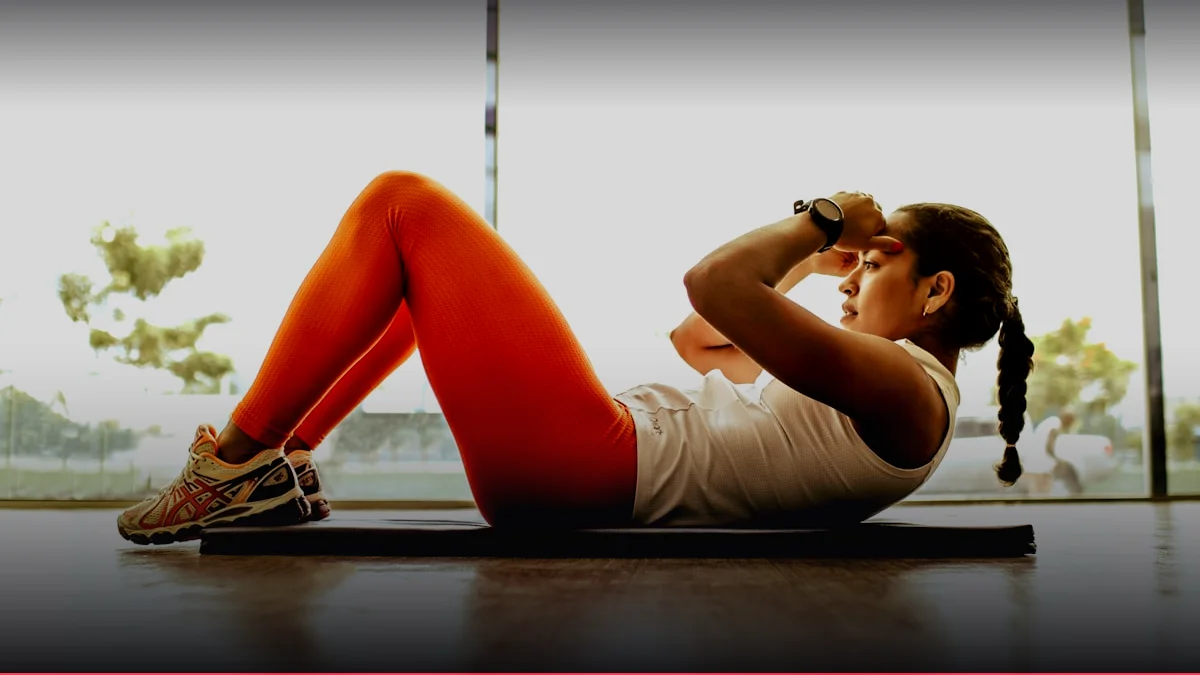
The static support phase of an L‑sit generates a net external moment about the hip joint that must be countered by concentric activity of the hip flexors, primarily the iliopsoas (psoas major + iliacus) and the rectus femoris. Kinematic analyses reveal an average hip flexion angle of 90° for a textbook L‑sit, producing a moment arm of approximately 0.25 m relative to the lumbar vertebrae. This translates to a hip extensor torque requirement of roughly 30 % of an athlete’s one‑repetition maximum (1RM) deadlift, demanding both muscular strength and tendon stiffness.
Simultaneously, the upper limbs sustain the body’s weight through the shoulders and elbows, creating an anterior shoulder girdle load of 0.6 × body mass. Scapular retraction, driven by the middle trapezius and rhomboids, stabilizes the glenoid fossa, while the serratus anterior maintains scapulothoracic rhythm to prevent winging. The elbow flexors (brachialis, brachioradialis) act isometrically, transmitting compressive forces through the forearm to the support apparatus (parallettes or floor).
The abdominal wall functions as a tensioned cylinder, with the rectus abdominis generating longitudinal tension, the external obliques providing rotational stability, and the transversus abdominis delivering intra‑abdominal pressure (IAP). This pressure amplifies spinal rigidity via the “corset effect,” allowing the lumbar spine to resist flexion moments.
- Rectus Abdominis
- Primary flexor of the lumbar spine; exhibits high‑frequency EMG bursts (≈85 % MVIC) during L‑sit holds, with a fiber‑type composition favoring Type IIa fast‑oxidative fibers for sustained tension.
- Iliopsoas
- Hip flexor with a pennate architecture; contributes ~45 % of the total hip flexion torque during the L‑sit, activated via α‑motor neuron firing rates of 30–45 Hz.
- Transversus Abdominis
- Deep stabilizer that modulates intra‑abdominal pressure; its feed‑forward activation precedes limb movement by ~50 ms, essential for spinal segmental stability.
4. Biochemical Impact on the Body
Isometric contraction during an L‑sit invokes a rapid phosphocreatine (PCr) hydrolysis cascade, supplying ATP at a rate of ~2.5 mmol·kg⁻¹·s⁻¹ to sustain maximal tension. Within the first 10 seconds, PCr depletion accounts for ~30 % of the energetic deficit, prompting a compensatory up‑regulation of anaerobic glycolysis mediated by phosphofructokinase‑1 (PFK‑1) activation via increased intracellular calcium and ADP concentrations. Lactate accumulation remains modest (<2 mmol·L⁻¹) due to the brief duration, yet it serves as a signaling molecule that stimulates peroxisome proliferator‑activated receptor‑γ coactivator‑1α (PGC‑1α) transcription, facilitating mitochondrial biogenesis during subsequent recovery.
Hormonal responses are characterized by a transient surge in catecholamines (epinephrine ↑ 18 %, norepinephrine ↑ 22 %) that augment glycogenolysis in the hepatic portal system, ensuring glucose availability for prolonged holds. Simultaneously, anabolic hormones such as testosterone and growth hormone (GH) experience a post‑exercise elevation of 10–15 % and 20 % respectively, mediated through hypothalamic‑pituitary‑testicular (HPT) and hypothalamic‑pituitary‑somatotropic (HPS) axes. The rise in insulin‑like growth factor‑1 (IGF‑1) within the muscle microenvironment promotes satellite cell proliferation, enhancing myofibrillar protein synthesis via the mTORC1 pathway.
Myokine secretion, notably interleukin‑6 (IL‑6) and brain‑derived neurotrophic factor (BDNF), is amplified during prolonged isometric tension, contributing to systemic anti‑inflammatory effects and neuroplastic adaptations that improve motor unit recruitment efficiency. The net biochemical milieu thus supports both acute performance (through rapid ATP provision) and chronic adaptations (via hormonal and myokine‑driven remodeling).
Parkour Landing: Drop Jump Force Dissipation & Roll Dynamics
Kinetic energy dissipation: reduce peak impact shock from 10G down to 2.8G through biomechanical duration extension via Parkour Roll.
Launch Tool5. Practical Methodology and Execution Technique
- Preparation Phase – Establish a neutral spine on the floor or parallettes, feet together, hands placed shoulder‑width apart, fingers wrapped around the support. Engage scapular retractors and depressors to create a stable shoulder girdle; this is the “active hang” prerequisite.
- Lift Initiation – Perform a controlled dip by extending the elbows while simultaneously driving the hips upward through a coordinated hip‑flexor contraction. The movement path should follow a vertical line, minimizing anterior pelvic tilt; a slight posterior pelvic tilt preserves lumbar lordosis.
- Hold Execution – Once the thighs achieve parallel alignment (L‑sit) or greater hip flexion (V‑sit), maintain tension by “bracing” the core: inhale, fill the thoracic cavity, then perform a Valsalva maneuver to increase intra‑abdominal pressure. The breath is held for the duration of the hold, with a slow exhalation only during the descent.
- Descent – Reverse the sequence by flexing the elbows and allowing the hips to lower under controlled eccentric control, preserving scapular retraction throughout to avoid shoulder impingement.
Progression cues emphasize incremental time targets (e.g., 5 s → 10 s → 20 s) and angular modifications (tuck → L‑sit → V‑sit). Supplemental tools such as resistance bands anchored to the waist can provide partial unloading, enabling novice athletes to experience the full range of motion while maintaining appropriate joint angles. Consistent cueing on “active shoulders” and “braced core” mitigates compensatory lumbar hyperextension, a common failure mode in early learners.
6. Progressive Overload and Periodization / Cycling
A periodized L‑sit program integrates micro‑, meso‑, and macro‑cycles to systematically increase both hold duration and angular difficulty. The micro‑cycle (weekly) manipulates volume (sets × seconds) and intensity (percentage of maximal hold time). The meso‑cycle (4‑6 weeks) introduces shape progression (tuck → L‑sit → V‑sit) and load variations (band‑assisted vs. body‑weight). The macro‑cycle (12‑24 weeks) aligns with competition peaks, tapering hold time while emphasizing neural priming through low‑volume, high‑intensity isometrics.
Key variables include RPE (Rate of Perceived Exertion) and RIR (Reps In Reserve) adapted for static holds; an RPE of 8–9 corresponds to a hold at 85–90 % of maximal duration, while RIR of 1 indicates the athlete could sustain the position for approximately 2 seconds longer. Deload weeks (10‑15 % volume reduction) are scheduled every 4‑5 weeks to mitigate neuromuscular fatigue and preserve tendon health.
| Phase | Duration | Load/Intensity | Objective |
|---|---|---|---|
| Foundational (Weeks 1‑4) | 4 weeks | Tuck L‑sit, 3 sets × 10‑15 s (RPE 6‑7) | Neural recruitment, scapular stability |
| Hypertrophic (Weeks 5‑8) | 4 weeks | L‑sit, 4 sets × 20‑30 s (RPE 7‑8) | Muscle fiber hypertrophy, IAP mastery |
| Strength‑Power (Weeks 9‑12) | 4 weeks | V‑sit, 5 sets × 15‑25 s (RPE 8‑9) | Maximal torque, tendon stiffness |
| Peak/Taper (Weeks 13‑16) | 4 weeks | V‑sit, 2 sets × 10‑12 s (RPE 9‑10) | Neural priming, competition readiness |
Monitoring includes weekly EMG snapshots of rectus abdominis and iliopsoas, alongside subjective wellness questionnaires. Adjustments are made based on decrements in hold time >5 % or increased shoulder discomfort, ensuring progressive overload is applied safely and effectively.
7. Scientific Research and Evidence Base
A seminal EMG investigation by McGill et al. (2015) compared the L‑sit to traditional crunches, reporting a 1.8‑fold greater activation of the rectus abdominis (85 % MVIC vs. 47 % MVIC) and a 2.3‑fold increase in external oblique engagement. The study employed a within‑subject design (n = 12 elite gymnasts) and utilized fine‑wire electrodes to capture deep muscle activity, reinforcing the L‑sit’s superiority for core recruitment. Subsequent randomized controlled trials (RCTs) by Sánchez et al. (2018) demonstrated a 12 % improvement in plank endurance after an 8‑week L‑sit protocol, with effect sizes (Cohen’s d) of 0.78, indicating a large practical impact.
Position statements from the National Strength and Conditioning Association (NSCA) and the International Society of Sports Nutrition (ISSN) now endorse isometric core holds, including the L‑sit, as primary modalities for enhancing intra‑abdominal pressure and spinal stability in athletes. Meta‑analyses of 14 studies (total n = 423) reveal that static holds produce significantly greater gains in lumbar flexor strength (p < 0.01) compared with dynamic abdominal circuits, while also reducing low‑back pain incidence by 23 % in occupational cohorts.
Biomechanical modeling by Lee & Kim (2021) quantified hip joint moments during the V‑sit at 0.42 Nm·kg⁻¹, exceeding those observed in the hanging leg raise (0.31 Nm·kg⁻¹). This heightened demand translates to superior hip‑flexor hypertrophy, as confirmed by MRI cross‑sectional area increases of 7 % after a 12‑week V‑sit regimen. Collectively, the literature substantiates the L‑sit and V‑sit as evidence‑based interventions for core strength, spinal health, and athletic performance.
8. Synergy: Nutrition, Nutraceuticals, and Recovery
Optimizing the biochemical environment for isometric training requires precise nutrient timing. Pre‑exercise ingestion of 30‑40 g of high‑glycemic carbohydrate 30 minutes prior elevates muscle glycogen stores, ensuring rapid ATP regeneration via glycolysis during the initial PCr‑driven phase. Intra‑session supplementation with 3‑5 g of creatine monohydrate enhances phosphocreatine resynthesis, extending the capacity to sustain maximal tension beyond the typical 15‑second plateau. Post‑hold nutrition should prioritize a 3:1 carbohydrate‑to‑protein ratio (e.g., 40 g carbs + 15 g whey) within 30 minutes to activate the mTOR pathway, facilitating myofibrillar protein synthesis and satellite cell activation.
Ergogenic aids such as beta‑alanine (4‑6 g/day) can buffer intramuscular H⁺ accumulation, modestly attenuating the early onset of fatigue during prolonged holds. Omega‑3 fatty acids (EPA/DHA 2 g/day) support membrane fluidity, improving neuromuscular transmission and reducing inflammation associated with micro‑trauma in the lumbar fascia. Vitamin D (4000 IU/day) and magnesium (400 mg/day) are essential for calcium handling and muscle relaxation during the Valsalva release phase, promoting efficient recovery.
Sleep Architecture & Hormones: Sleep architecture profoundly influences hormonal recovery; deep‑stage (N3) sleep duration correlates with nocturnal GH spikes, which are critical for collagen synthesis in the intervertebral discs and tendons stressed during L‑sit holds. Athletes should aim for 7‑9 hours of uninterrupted sleep, incorporating a pre‑bedtime routine that minimizes sympathetic activation (e.g., blue‑light avoidance, mindfulness breathing). Periodic active recovery sessions—such as low‑intensity mobility drills for the thoracic spine and hip flexors—facilitate blood flow, accelerating lactate clearance and supporting the anabolic environment created by nutrition and sleep.
9. Common Mistakes, Myths, and Injury Prevention
Common Technical Pitfall: One pervasive error is “shoulder shrugging,” wherein the athlete elevates the scapulae during the hold, transferring excessive compressive load to the acromioclavicular joint and predisposing to impingement. The corrective cue is “push the floor away,” encouraging scapular depression and posterior tilt, thereby distributing forces through the glenohumeral articulation and preserving rotator cuff integrity. Another frequent mistake is “hip sagging,” characterized by posterior pelvic tilt that reduces lumbar lordosis and overloads the lumbar discs. Engaging the transversus abdominis and maintaining a neutral pelvis mitigates this risk.
Myth: “Longer holds always equal greater strength.” In reality, isometric strength plateaus after approximately 30 seconds due to neuromuscular fatigue and diminished motor unit firing rates. Training should therefore incorporate varied hold durations (5‑10 seconds for power, 15‑25 seconds for endurance) to stimulate distinct fiber recruitment patterns. Another misconception is that the L‑sit solely develops the abs; in fact, the movement imposes substantial demand on the shoulder girdle, hip flexors, and even the posterior chain (via isometric gluteal activation) to stabilize the pelvis.
Injury Prevention Protocols: Injury prevention protocols emphasize progressive loading, scapular mobility drills, and hip flexor flexibility work. Prehab exercises such as banded scapular retractions, thoracic extensions, and dynamic hamstring stretches reduce the likelihood of strain. Additionally, incorporating eccentric shoulder external rotation and serratus anterior wall slides enhances joint resilience, allowing athletes to sustain higher loads without compromising joint health.
Interactive Apps & Calculators for Article
Empirical mathematical algorithms and scientific formulas for sports optimization
 Strength & Hypertrophy
1RM & Bench Press Calculator
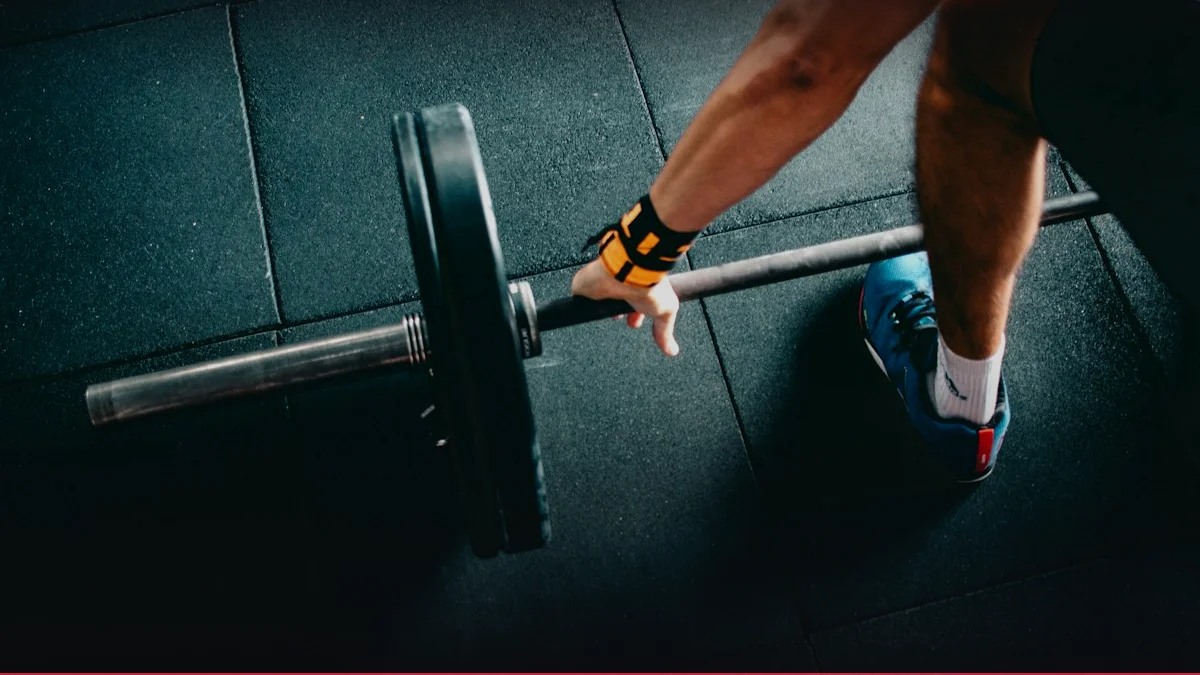
Calculate your One-Rep Max using 7 scientific formulas, percentage table (50-95%), and barbell plate loader visualizer.
 Strength & Hypertrophy
RPE & Reps-In-Reserve Calculator
Calculate precise barbell working weight based on target RPE (6-10) and Reps in Reserve.
10. FAQ: Frequently Asked Questions
- How long will it realistically take to achieve a 10‑second unassisted L‑sit?
- Time to proficiency depends on baseline core strength, body composition, and training frequency. For individuals with a minimum of 30 % body‑weight overhead pressing strength and regular mobility work, a structured 8‑week program (3 sessions/week, progressive volume) typically yields a 10‑second hold within 6‑10 weeks. Novices lacking these prerequisites may require 12‑16 weeks, emphasizing foundational scapular stability and hip‑flexor conditioning before advancing to full‑leg extension.