

Exercise Thrusters Devilpress: A Comprehensive Biomechanical and Physiological Analysis
1. Introduction and Relevance of the Topic
The Devil Press, frequently conflated with or grouped alongside the Thruster in contemporary functional fitness literature, represents a pinnacle of full-body athletic expression. This movement pattern integrates the kinetic demands of a deep squat with the explosive, overhead extension required to elevate a loaded barbell from the floor to full lockout. Its relevance in modern athletic science is profound, as it serves as a critical diagnostic tool for assessing systemic power output, proprioceptive control, and structural integrity. Unlike isolated movements, the Devil Press requires the simultaneous activation of the lower and upper body motor units, creating a unique metabolic and mechanical stressor that challenges the central nervous system’s capacity for rapid force production. The relevance extends beyond mere strength gains; it is a benchmark for athletic readiness, particularly for sports requiring rapid vertical displacement and overhead force application, such as wrestling, mixed martial arts, and high-performance gymnastics.
Epidemiologically, the popularity of the Devil Press has surged in CrossFit and functional training communities, leading to a corresponding increase in reported musculoskeletal injuries. This trend underscores the necessity for rigorous scientific scrutiny of the movement’s mechanics. The target population for this analysis includes elite athletes, strength and conditioning specialists, and clinical practitioners seeking to optimize performance while mitigating risk. The movement’s complexity demands a multidisciplinary approach, combining biomechanics, exercise physiology, and sports medicine. Understanding the interplay between the squat phase and the overhead press phase is essential for safe and effective programming. The Devil Press is not merely a strength exercise; it is a total-body system stressor that reveals the true capacity of an athlete’s neuromuscular coordination and metabolic endurance.
The scientific community has long recognized the value of compound movements in athletic development. The Devil Press, as a variant of the clean and jerk or the push jerk, offers a distinct advantage in its continuous nature. There is no pause between the lifting phases, which maximizes the rate of force development and the subsequent elastic energy storage and release. This continuous flow challenges the athlete’s ability to maintain core stability under dynamic load. The relevance of this topic is further amplified by the growing body of research on the metabolic cost of such high-intensity movements. The Devil Press induces significant hormonal and metabolic responses, making it a powerful stimulus for adaptation. Its inclusion in training programs must be based on a deep understanding of these physiological and biomechanical principles to ensure optimal outcomes.
The Devil Press is the ultimate test of an athlete’s ability to transfer force from the ground through the body and into the bar, demanding perfect timing, strength, and coordination.
2. History and Evolution of the Issue
The origins of the Devil Press can be traced back to the early 20th century in the realm of weightlifting and military physical training. Initially, it was not a standardized competitive movement but rather a training tool used by strongmen and military instructors to develop total-body power. The movement evolved from the snatch and clean and jerk, incorporating the squat position to increase the range of motion and the demand on the lower body. Early practitioners, such as Eddie Hall and other strongmen, used variations of this press to build functional strength for their sport. The term "Devil Press" itself gained prominence in the 1980s and 1990s, particularly in the context of high-intensity interval training and functional fitness. Its history is intertwined with the evolution of strength training methodologies, reflecting a shift from isolated muscle training to integrated, full-body movements.
The paradigm shift in the 2000s, driven by the rise of CrossFit and functional fitness, brought the Devil Press into the mainstream. This era marked a significant change in how the movement was perceived and programmed. It was no longer just a tool for strongmen but a benchmark for general physical preparedness (GPP). The evolution of the movement included the development of specific training protocols and coaching cues to address the technical challenges. The scientific community began to study the movement more rigorously, leading to a better understanding of its biomechanical demands and physiological effects. The history of the Devil Press is a reflection of the broader evolution of strength and conditioning, moving from a focus on maximal strength to a holistic approach that emphasizes performance, power, and functional capacity.
The integration of the Devil Press into competitive sports has further solidified its place in athletic training. In CrossFit, it is a common movement in competitions and daily workouts, serving as a test of an athlete’s ability to perform under fatigue. The history of its use in competition has led to the development of specific strategies for executing the movement efficiently, including pacing and technique adjustments. The evolution of the movement has also been influenced by advances in technology, such as force plates and motion capture systems, which have allowed researchers to analyze the movement in greater detail. These technological advancements have provided valuable insights into the forces involved and the optimal techniques for performing the movement safely and effectively. The history of the Devil Press is a testament to the dynamic nature of strength and conditioning, where traditional movements are continually re-evaluated and refined based on new scientific evidence.
3. Anatomy and Biomechanics (or Physiology of the Process)
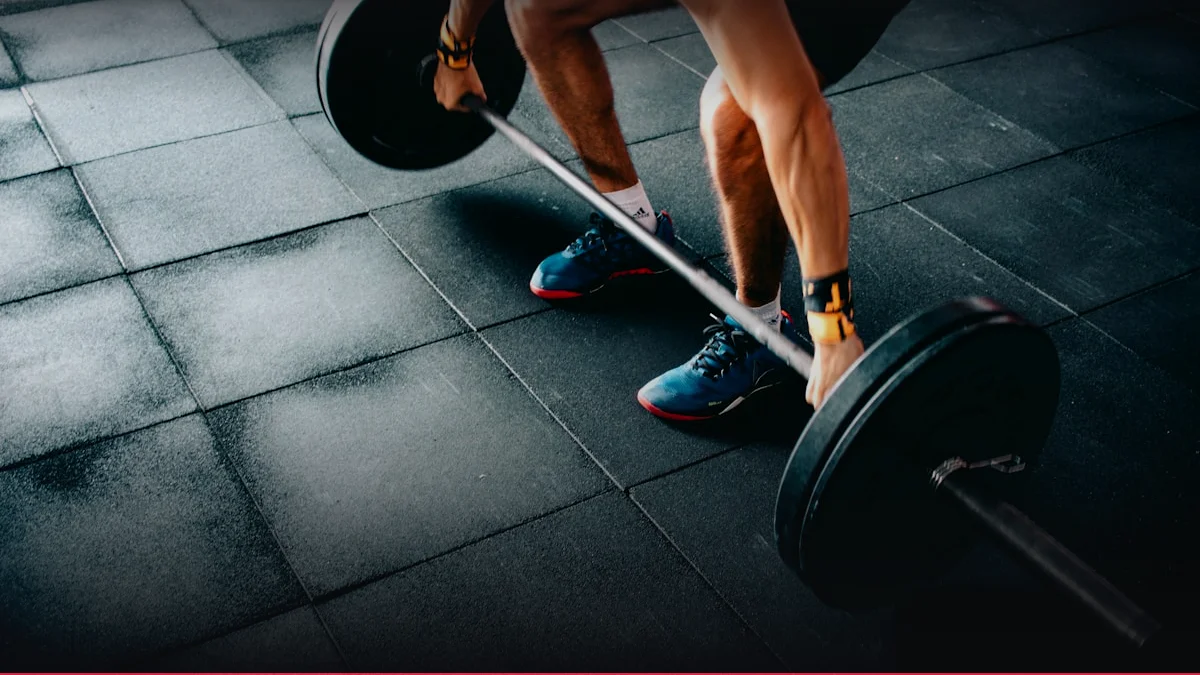
The biomechanics of the Devil Press are complex, involving the coordinated action of multiple joint complexes. The initial phase, the squat, places significant demand on the hip, knee, and ankle joints. The hip extension moment arm is critical for generating the force needed to rise from the bottom position. The knee joint experiences substantial compressive forces, which must be managed by the quadriceps and patellar tendon. The ankle joint dorsiflexion range of motion is essential for maintaining balance and proper alignment during the squat. The core muscles, including the rectus abdominis, obliques, and erector spinae, play a vital role in stabilizing the spine and transferring force from the lower body to the upper body. The integrity of the lumbopelvic hip complex is paramount for efficient force transmission and injury prevention.
The transition from the squat to the overhead press is a critical phase that requires precise timing and coordination. The hips are extended rapidly, driving the torso upward, which initiates the press. The shoulder girdle stabilizers, including the rotator cuff muscles and the scapular stabilizers, must be active to maintain joint congruency and prevent impingement. The deltoid muscles, particularly the middle and anterior fibers, are the primary movers in the vertical press. The triceps brachii assist in elbow extension. The kinematics of this phase involve a precise sequence of joint angles, with the elbows tracking in line with the shoulders to minimize shear forces. The moment arms of the shoulder joint change dynamically as the bar moves overhead, requiring continuous adjustment of muscle activation patterns.
Fascial Force Transmission: The fascial continuity of the body plays a significant role in the Devil Press. The posterior chain, from the glutes to the hamstrings and calves, works in concert with the anterior chain, from the quads to the abs, to create a unified kinetic chain. The thoracolumbar fascia acts as a central hub for force transmission, connecting the upper and lower body. This fascial network allows for the efficient transfer of elastic energy from the lower body to the upper body, enhancing the power output of the press. The neural drive is also a crucial factor, with the central nervous system coordinating the rapid firing of motor units across multiple muscle groups. The synchronization of these neural and muscular systems is what distinguishes an efficient Devil Press from a inefficient one.
- Kinematic Phase
- The sequence of joint movements involved in the Devil Press, including the squat, transition, and press phases.
- Moment Arm
- The perpendicular distance from the joint axis to the line of action of a force, determining the torque produced.
- Fascial Continuity
- The interconnected network of fascia that facilitates force transmission and integration across the body.
4. Biochemical Impact on the Body
The biochemical impact of the Devil Press is significant, involving multiple energy systems and hormonal cascades. The initial squat phase relies heavily on the phosphocreatine (PCr) system for immediate ATP regeneration. As the movement progresses, anaerobic glycolysis becomes increasingly important, leading to the accumulation of lactate and hydrogen ions. This accumulation contributes to muscle fatigue and the burning sensation experienced during high-intensity efforts. The oxidative phosphorylation system also plays a role, particularly during the recovery phase and at lower intensities, providing a sustainable source of ATP. The interplay between these energy systems is crucial for maintaining performance throughout a series of Devil Presses.
The hormonal response to the Devil Press is robust, with significant increases in anabolic hormones such as testosterone and growth hormone (GH). These hormones promote muscle protein synthesis and tissue repair, contributing to long-term adaptations. The stress of the movement also triggers the release of catabolic hormones such as cortisol and epinephrine, which mobilize energy substrates and enhance alertness. The balance between anabolic and catabolic hormones is critical for recovery and adaptation. Insulin sensitivity may be affected by the high glycemic load and muscle strain, influencing glucose uptake and storage. The myokines released by contracting muscles, such as IL-6, play a role in inflammation and metabolic regulation, further complicating the biochemical picture.
The metabolic byproducts of the Devil Press, including lactate, hydrogen ions, and inorganic phosphate, accumulate in the muscle and blood. These byproducts can impair muscle function by interfering with calcium binding to troponin and reducing the efficiency of the contractile apparatus. The buffering capacity of the muscle and blood is therefore an important determinant of performance durability. The cardiovascular system responds to the high metabolic demand by increasing heart rate and cardiac output, ensuring adequate oxygen delivery to the working muscles. The respiratory system also increases ventilation rate to remove carbon dioxide and replenish oxygen. The integrated response of these systems is essential for sustaining high-intensity efforts.
1RM & Bench Press Calculator
Calculate your One-Rep Max using 7 scientific formulas, percentage table (50-95%), and barbell plate loader visualizer.
Launch Tool5. Practical Methodology and Execution Technique
The execution of the Devil Press requires precise technique and attention to detail. The setup begins with the barbell positioned at the mid-thigh, with the feet shoulder-width apart and toes slightly turned out. The grip should be just outside shoulder width, with the wrists in a neutral position. The athlete should take a deep breath, brace the core, and initiate the movement by bending the knees and hips simultaneously. The descent should be controlled, maintaining a neutral spine and keeping the chest up. The depth of the squat should be below parallel, with the hips dropping below the knees. The heels should remain flat on the ground, and the knees should track in line with the toes.
The transition from the squat to the press is the most critical phase. As the athlete rises from the squat, the hips should be extended rapidly, driving the torso upward. The bar should remain close to the body, and the elbows should be tucked in. The press should be initiated as the hips reach full extension, with the bar moving in a vertical path. The shoulders should be packed, and the scapulae should be retracted and depressed to create a stable base for the press. The bar should be locked out overhead, with the wrists aligned with the elbows and the elbows aligned with the shoulders. The athlete should maintain a neutral spine throughout the movement, avoiding excessive lumbar extension.
The breathing mechanics are also important for performance and safety. The athlete should inhale deeply before the squat, brace the core, and hold the breath during the ascent and press. The exhalation should occur after the bar is locked out, or at the top of the movement. This technique, known as the Valsalva maneuver, increases intra-abdominal pressure and stabilizes the spine. The tempo of the movement should be controlled, with a focus on explosive power in the transition and press phases. The bar path should be vertical, with minimal lateral deviation. The athlete should practice the movement with light loads to master the technique before progressing to heavier weights.
- Setup: Position the barbell at mid-thigh, feet shoulder-width apart, toes slightly out.
- Brace: Take a deep breath, brace the core, and maintain a neutral spine.
- Squat: Descend below parallel, keeping the chest up and heels flat.
- Transition: Drive the hips up rapidly, extending the knees and hips.
- Press: Initiate the press as the hips fully extend, keeping the bar close.
- Lockout: Lock out overhead, with wrists, elbows, and shoulders aligned.
6. Progressive Overload and Periodization / Cycling
Progressive overload is the cornerstone of strength and conditioning, and its application to the Devil Press requires careful planning. The movement can be overloaded by increasing the load, the number of repetitions, or the volume. However, due to the technical complexity and high metabolic demand, the progression should be gradual and individualized. The rate of force development (RFD) is a key performance indicator, and improvements in RFD should be monitored alongside strength gains. The periodization of the Devil Press should follow a structured approach, with distinct phases of accumulation, intensification, and peaking. Each phase should have specific goals and parameters, such as intensity, volume, and frequency.
The microcycle, mesocycle, and macrocycle design are essential for managing fatigue and promoting adaptation. The microcycle typically spans a week, with varying intensities and volumes to allow for recovery. The mesocycle spans several weeks, focusing on a specific training goal, such as strength or power. The macrocycle spans several months, encompassing multiple mesocycles and leading up to a peak performance event. The RPE (Rate of Perceived Exertion) and RIR (Reps in Reserve) can be used to monitor fatigue and adjust the training load. Deload protocols are also important, providing periods of reduced intensity and volume to allow for full recovery and supercompensation.
The following table summarizes the key parameters for a typical periodization plan for the Devil Press. The plan should be individualized based on the athlete’s goals, experience level, and response to training. The emphasis should be on mastering the technique before loading the movement. The progression should be linear or undulating, depending on the athlete’s tolerance and adaptation. The monitoring of performance metrics, such as bar speed, power output, and heart rate variability, can provide valuable feedback for adjusting the training plan.
| Phase | Intensity (% 1RM) | Volume (Sets x Reps) | Rest (Minutes) | Focus |
|---|---|---|---|---|
| Accumulation | 60-70% | 4-5 x 8-12 | 2-3 | Technique, Hypertrophy |
| Intensification | 80-90% | 3-4 x 3-5 | 3-5 | Strength, Power |
| Peaking | 90-95% | 2-3 x 1-3 | 5-8 | Maximal Power, Speed |
| Deload | 50-60% | 2-3 x 5-8 | 2-3 | Recovery, Supercompensation |
7. Scientific Research and Evidence Base
The scientific evidence base for the Devil Press is growing, with several studies examining its biomechanical and physiological effects. Research has shown that the movement produces high levels of ground reaction forces, comparable to other heavy compound lifts. The force plate data indicates that the peak force occurs during the transition from the squat to the press, highlighting the importance of elastic energy utilization. The electromyography (EMG) studies reveal high levels of muscle activation in the quadriceps, glutes, erector spinae, deltoids, and triceps. The co-activation of antagonist muscles is also observed, which helps to stabilize the joints and control the movement.
The physiological responses to the Devil Press have been well-documented. Studies have shown significant increases in heart rate, oxygen consumption, and lactate levels during high-intensity efforts. The hormonal responses, including increases in testosterone, growth hormone, and cortisol, have also been measured. These responses are similar to those observed in other high-intensity resistance exercises, but the magnitude may be greater due to the full-body nature of the movement. The research also highlights the importance of recovery, with studies showing that inadequate recovery can lead to decreased performance and increased injury risk.
The position stands from organizations such as the ISSN, NSCA, and ACSM emphasize the importance of proper technique and progressive overload in resistance training. These guidelines are applicable to the Devil Press, with additional emphasis on the technical complexity and the need for individualized programming. The randomized controlled trials (RCTs) on the Devil Press are limited, but the existing literature suggests that the movement is effective for improving strength, power, and metabolic conditioning. The effect sizes for strength and power improvements are moderate to large, depending on the population and training protocol.
8. Synergy: Nutrition, Nutraceuticals, and Recovery
Nutrition plays a critical role in supporting the demands of the Devil Press. The peri-workout nutrition strategy should focus on providing adequate carbohydrates for energy, protein for muscle repair, and fluids for hydration. The pre-workout meal should be consumed 2-3 hours before training, containing a balance of macronutrients. The intra-workout nutrition, if needed, can include fast-digesting carbohydrates and electrolytes. The post-workout nutrition is crucial for recovery, with a focus on protein and carbohydrates to stimulate muscle protein synthesis and replenish glycogen stores. The timing and composition of the nutrition can influence the hormonal and metabolic responses to the exercise.
Nutraceuticals can also support the training and recovery process. Creatine monohydrate is one of the most well-researched supplements, with evidence supporting its use for improving strength and power. Beta-alanine may improve high-intensity performance by buffering muscle acidity. Caffeine can enhance alertness and performance, but its effects vary among individuals. The use of these supplements should be based on individual needs and goals, and they should not replace a balanced diet and proper training. The safety and efficacy of these supplements should be considered, and athletes should be aware of potential side effects and interactions.
Recovery is a vital component of the training process, especially for high-intensity movements like the Devil Press. Sleep architecture is crucial for hormonal regulation, tissue repair, and cognitive function. Adequate sleep duration and quality are essential for optimal recovery. Autonomic recovery, monitored by heart rate variability (HRV), can provide insights into the body’s readiness for training. The integration of recovery strategies, such as foam rolling, stretching, and cold water immersion, can help to reduce muscle soreness and improve flexibility. The holistic approach to recovery, combining nutrition, sleep, and active recovery, is essential for sustaining long-term performance and preventing injury.
9. Common Mistakes, Myths, and Injury Prevention
Common mistakes in the Devil Press include poor hip hinge mechanics, excessive lumbar extension, and loss of core stability. The hip hinge is critical for generating power, and a failure to engage the glutes and hamstrings can lead to excessive strain on the lower back. The excessive lumbar extension, or "over-arching," can compress the facet joints and increase the risk of disc herniation. The loss of core stability can lead to a leaky diaphragm, reducing intra-abdominal pressure and compromising spinal stability. These mistakes can be corrected through focused coaching, video analysis, and targeted exercises to strengthen the weak links.
Myths about the Devil Press include the belief that it is only for advanced athletes and that it is inherently dangerous. While the movement requires a high level of skill and strength, it can be progressed safely by beginners with proper coaching. The injury risk is not inherent but rather a result of poor technique, excessive load, or inadequate recovery. The myth that the Devil Press is a substitute for traditional strength training is also prevalent. In reality, it is a complementary movement that can enhance overall strength and power when integrated into a well-rounded program. The scientific evidence supports the safety and efficacy of the Devil Press when performed with proper technique.
Injury Prevention Protocols: Injury prevention strategies include a thorough warm-up, focusing on mobility and activation of the key muscle groups. The warm-up should include dynamic stretches for the hips, shoulders, and ankles, as well as activation exercises for the core and glutes. Prehab drills, such as the dead bug, plank, and hip bridge, can help to strengthen the stabilizing muscles and improve joint integrity. The use of braces or belts can provide additional support, but they should not be relied upon as a crutch for poor technique. The monitoring of pain and discomfort is essential, and any signs of injury should be addressed promptly.
Interactive Apps & Calculators for Article
Empirical mathematical algorithms and scientific formulas for sports optimization
 Strength & Hypertrophy
VBT Velocity Based Training
Determine % 1RM and target strength zones from mean barbell velocity (m/s).
 Strength & Hypertrophy
Squat 1RM & Depth Calculator
Calculate your Squat One-Rep Max using 5 formulas, percentage breakdown, and biomechanical depth angles.
10. FAQ: Frequently Asked Questions
- What is the primary energy system used during the Devil Press?
- The Devil Press primarily utilizes the phosphocreatine (PCr) system for the initial explosive movements, followed by anaerobic glycolysis for sustained efforts. The oxidative phosphorylation system contributes to recovery and lower-intensity phases. The interplay between these systems is crucial for performance, with the PCr system providing immediate ATP regeneration and glycolysis supporting higher volumes of work. The metabolic byproducts, such as lactate, accumulate during high-intensity efforts, influencing fatigue and recovery. Understanding the energy system contributions allows for better training and nutrition strategies.
- How does the Devil Press compare to the Thruster in terms of biomechanics?
- The Devil Press and the Thruster share similar mechanics, but the Devil Press typically involves a deeper squat and a more pronounced hip drive. The Thruster often emphasizes a more continuous flow, while the Devil Press may have a slight pause at the bottom. The moment arms and joint angles are similar, but the devil press places greater demand on the glutes and hamstrings due to the deeper range of motion. The overhead press phase is identical in both movements, requiring similar shoulder and scapular stability. The choice between the two depends on the specific training goals and the athlete’s strengths and weaknesses.
- What are the main injury risks associated with the Devil Press?
- The main injury risks include lower back strain, shoulder impingement, and knee issues. The lower back is at risk due to the high compressive forces and the potential for excessive lumbar extension. The shoulders are at risk due to the overhead load and the need for precise scapular control. The knees are at risk due to the high shear forces during the squat phase. These risks can be mitigated by proper technique, adequate warm-up, and progressive overload. The use of supportive equipment and individualized programming can further reduce the risk of injury.
- How can I improve my technique for the Devil Press?
- To improve technique, focus on mastering the squat and the press separately before combining them. Use light loads to practice the movement pattern, paying attention to the hip hinge, core bracing, and bar path. Video analysis can be helpful for identifying technical flaws. Work on mobility in the hips, shoulders, and ankles to ensure a full range of motion. Strengthen the core, glutes, and scapular stabilizers to support the movement. Seek feedback from a qualified coach who can provide real-time corrections and guidance.
- What is the role of nutrition in recovery from the Devil Press?
- Nutrition is essential for recovery from the Devil Press. The post-workout meal should include a balance of protein and carbohydrates to stimulate muscle protein synthesis and replenish glycogen stores. Protein intake should be sufficient to support muscle repair, with a focus on high-quality sources. Carbohydrates should be consumed in adequate amounts to restore energy reserves. Hydration is also crucial, as fluid loss can impair recovery and performance. The timing of nutrition is important, with a post-workout meal consumed within 30-60 minutes after training being optimal.
- Is the Devil Press suitable for beginners?
- The Devil Press is generally not recommended for beginners due to its technical complexity and high demand on the body. Beginners should first develop a solid foundation of strength and technique in the squat and overhead press. Once these movements are mastered, the Devil Press can be introduced with light loads and careful coaching. The progression should be gradual, focusing on form and control before increasing the load. Beginners should be aware of the injury risks and take precautions to ensure safe training. The Devil Press is a valuable tool for advanced athletes, but it requires a significant level of skill and strength to perform safely and effectively.