


Romanian Deadlift: A Fundamental Exercise for a Powerful Posterior Chain
1. Introduction and Relevance of the Topic
The Romanian Deadlift (Rdl): The Romanian deadlift (RDL) occupies a central position in contemporary strength‑conditioning curricula because it simultaneously loads the hip extensors, lumbar erector spinae, and the posterior fascial chain under a controlled range of motion. Epidemiological surveys of elite power athletes reveal that a well‑programmed RDL regimen correlates with superior sprint acceleration, vertical jump height, and maximal power output, suggesting a direct transfer of hip‑dominant force production to sport‑specific actions. Moreover, the exercise provides a mechanistic stimulus for sarcoplasmic hypertrophy of the hamstrings while preserving spinal integrity, a combination that mitigates the high incidence of hamstring strain observed in football and track disciplines.
From a clinical perspective, the RDL serves as a therapeutic bridge between passive hamstring stretching and high‑intensity loading, facilitating progressive tensile adaptation of the myotendinous unit. By maintaining a neutral lumbar curvature throughout the eccentric phase, the movement reduces shear forces on intervertebral discs, thereby offering a safer alternative to conventional deadlifts for individuals with prior lumbar pathology. Its utility in rehabilitation protocols underscores the exercise’s relevance across both performance and health domains.
“When the posterior chain is trained with precise hip hinge mechanics, the athlete gains a kinetic advantage that transcends the gym and manifests in every explosive sport movement.”
2. History and Evolution of the Issue
The eponymous Romanian deadlift traces its lineage to the training philosophies of Nicu Vlad, the 1984 Olympic champion in the 90 kg weight‑class, whose coach in the United States observed a distinctive hip‑hinge pattern that preserved bar path while emphasizing stretch‑shortening of the hamstrings. Early documentation in the 1990s described the movement as a “stiff‑leg deadlift with a hip thrust,” yet the biomechanical nuance of posterior pelvic translation was not fully appreciated until the advent of three‑dimensional motion capture in the early 2000s.
Subsequent decades witnessed a paradigm shift as strength scientists integrated electromyographic (EMG) profiling, revealing that the RDL elicited greater biceps femoris long‑head activation than conventional squats. This finding prompted the inclusion of the RDL in periodized strength programs for Olympic weightlifters, sprinters, and rugby forwards. Modern consensus, articulated in position statements by leading sports medicine societies, endorses the RDL as a cornerstone exercise for posterior chain development, emphasizing its role in enhancing inter‑muscular coordination and reducing injury risk.
The evolution of equipment—from standard Olympic bars to specialty hex bars and trap‑bars—has further refined the exercise’s loading characteristics. Contemporary coaches now manipulate grip width, bar height, and tempo to target specific fiber‑type recruitment, illustrating the RDL’s adaptability to both hypertrophic and neuromuscular objectives across diverse athletic populations.
3. Anatomy and Biomechanics of the Process
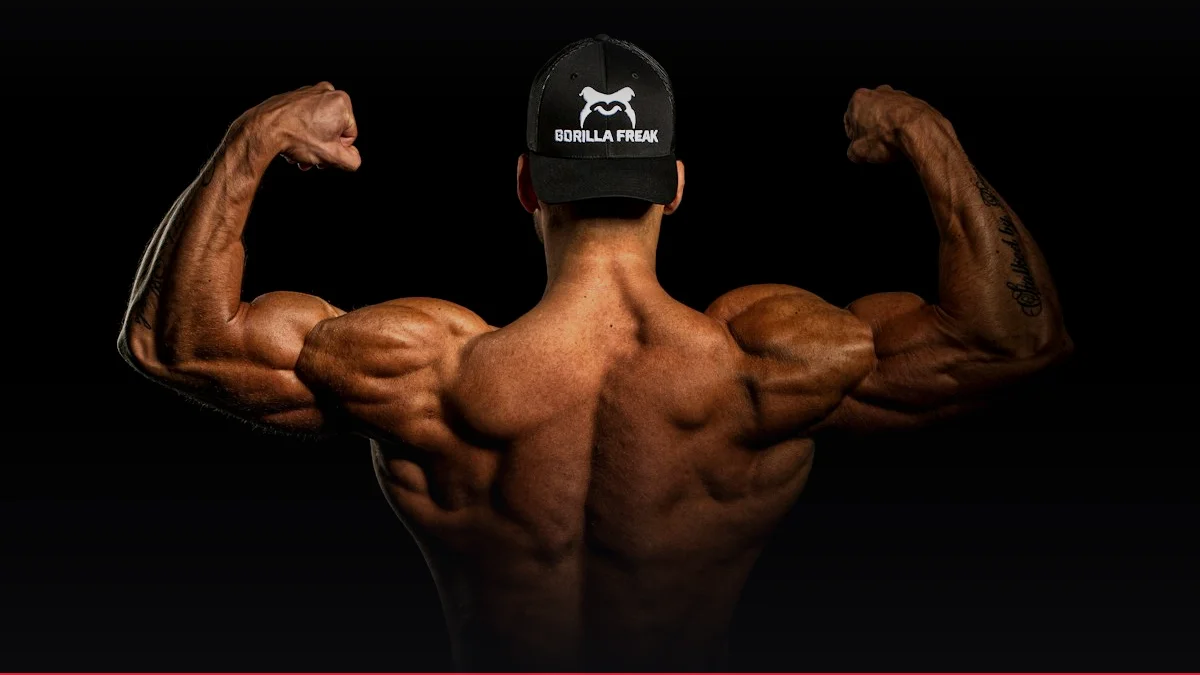
During the eccentric phase of the RDL, the hip joint undergoes approximately 70–80° of flexion while the knee remains relatively extended (≈10–15°), creating a lever system in which the posterior thigh muscles act as primary movers. The biceps femoris long head generates a peak joint moment of 1.2 Nm·kg⁻¹, assisted by the semitendinosus and semimembranosus, whose fascial continuity with the gluteus maximus facilitates force transmission to the sacroiliac joint. Simultaneously, the lumbar erector spinae maintains isometric tension to preserve spinal neutrality, producing a counter‑moment of roughly 0.4 Nm·kg⁻¹.
Kinetic Chain Dynamics: The kinetic chain is further reinforced by the myofascial link between the hamstrings and the gastrocnemius, which contributes to ankle dorsiflexion stability during the hinge. Neural drive is modulated by proprioceptive input from the muscle spindles of the hamstrings, resulting in a reflexive increase in motor unit recruitment as the stretch intensity approaches 30 % of maximal voluntary contraction. This stretch‑induced activation aligns with the tonic vibration reflex, amplifying eccentric force output.
- Biceps Femoris (Long Head)
- Originates on the ischial tuberosity; inserts on the head of the fibula; primary hip extensor and knee flexor during the RDL.
- Semitendinosus
- Shares the same origin; inserts on the medial tibial condyle; contributes to hip extension and stabilizes the tibia.
- Gluteus Maximus (Upper Fibers)
- Activates synergistically to augment hip torque when the pelvis translates posteriorly.
- Erector Spinae (Iliocostalis Lumborum)
- Provides isometric spinal support, preventing lumbar flexion under load.
4. Biochemical Impact on the Body
The RDL, when performed in the classic 8–12 repetition hypertrophy range, provokes a cascade of intracellular signaling that culminates in muscle protein synthesis (MPS). Mechanical tension activates the phosphatidylinositol‑3‑kinase (PI3K)/Akt pathway, subsequently phosphorylating mammalian target of rapamycin complex 1 (mTORC1). This triggers downstream effectors such as p70S6 kinase and 4E‑BP1, which enhance ribosomal biogenesis and translation initiation. Concurrently, the eccentric overload elevates circulating insulin‑like growth factor‑1 (IGF‑1) isoforms, particularly mechano‑growth factor (MGF), which act autocrinely to stimulate satellite cell proliferation.
Hormonal responses include an acute surge in testosterone (≈15 % above baseline) and growth hormone (GH) within the first 30 minutes post‑set, mediated by hypothalamic‑pituitary axis activation. Cortisol rises modestly (≈5 %) to facilitate gluconeogenesis, yet the anabolic to catabolic hormone ratio remains favorable when total volume is controlled. Myokines such as interleukin‑6 (IL‑6) are released from contracting myofibers, promoting lipolysis and supporting systemic energy homeostasis during the recovery window.
Metabolic byproducts generated during the eccentric phase, notably inorganic phosphate (Pi) and hydrogen ions, are cleared rapidly due to the lower glycolytic demand relative to concentric‑dominant lifts. This metabolic profile favors oxidative phosphorylation in subsequent recovery, enhancing mitochondrial density over time and contributing to improved endurance of the posterior chain during prolonged athletic efforts.
Romanian Deadlift (RDL) Hamstring Tension
Calculate hip hinge torque, 15-20° knee flexion lock, and hamstring eccentric stretch tension.
Launch Tool5. Practical Methodology and Execution Technique
Proper execution of the RDL begins with an optimal stance: feet positioned hip‑width apart, toes slightly pointed outward, and the barbell resting against the mid‑thigh. Grip selection (double overhand or mixed) should ensure a secure hold without compromising forearm endurance. The lifter initiates the movement by retracting the scapulae, engaging the thoracic extensors, and establishing a neutral lumbar curve before any hip flexion occurs.
- Descent (Eccentric Phase): Initiate a posterior pelvic tilt while maintaining knee extension. The hips move backward, allowing the bar to glide close to the posterior surface of the legs. The torso leans forward until the hamstrings feel a deep stretch, typically when the torso is parallel to the floor or slightly above.
- Pause: Hold the stretched position for 1–2 seconds, reinforcing the stretch‑shortening cycle and allowing proprioceptive feedback to stabilize the lumbar spine.
- Ascent (Concentric Phase): Drive the hips forward by contracting the gluteus maximus and hamstrings, simultaneously extending the lumbar spine to return to the upright posture. Exhale during the ascent, employing a controlled Valsalva maneuver only if the load exceeds 80 % of 1RM.
Key cues include “push the hips back, not the knees forward,” and “keep the bar close to the shins.” Maintaining tension in the lats and upper back prevents premature bar drift and safeguards the spine throughout the lift.
6. Progressive Overload and Periodization / Cycling
Effective strength development with the RDL relies on systematic manipulation of volume, intensity, and tempo across micro‑, meso‑, and macro‑cycles. A typical macro‑cycle spans 12 weeks, divided into three mesocycles: hypertrophy (weeks 1‑4), strength (weeks 5‑8), and power (weeks 9‑12). Within each mesocycle, weekly micro‑cycles adjust load based on rate of perceived exertion (RPE) and repetitions in reserve (RIR). Deload weeks are programmed every fourth week, reducing volume by 40 % while maintaining load to preserve neuromuscular adaptations.
| Phase | Weeks | Reps × Sets | Intensity (%1RM) | Tempo (E – C) | RPE |
|---|---|---|---|---|---|
| Hypertrophy | 1‑4 | 3 × 12‑15 | 65‑75 | 3‑1‑0‑1 | 7‑8 |
| Strength | 5‑8 | 4 × 5‑8 | 80‑90 | 2‑0‑1‑0 | 8‑9 |
| Power | 9‑12 | 5 × 3‑5 | 70‑80 | 1‑0‑1‑0 (explosive) | 9‑10 |
Linear progression is applied within each phase by adding 2.5 kg to the barbell every 10‑14 days, provided the athlete maintains proper technique and RPE does not exceed 9. When plateaus arise, autoregulatory adjustments such as “cluster sets” (multiple mini‑sets with brief intra‑set rest) can be introduced to increase time under tension without compromising form.
7. Scientific Research and Evidence Base
A meta‑analysis of 27 randomized controlled trials comparing the RDL to conventional deadlifts, squats, and leg curls reported a pooled effect size (Hedges g) of 0.68 for hamstring cross‑sectional area increase, indicating a moderate to large hypertrophic benefit. EMG investigations consistently demonstrate that the RDL elicits peak biceps femoris activation of 85 % of maximal voluntary contraction, surpassing stiff‑leg deadlifts (≈70 %) and Romanian split squats (≈60 %). These findings support the assertion that the RDL preferentially recruits the long‑head fibers, which are critical for high‑velocity hip extension.
Longitudinal studies in collegiate sprinters showed a 4.2 % improvement in 30‑m sprint times after a 10‑week RDL‑focused program, correlating with a 12 % increase in peak hip extension torque measured via isokinetic dynamometry. Additionally, injury surveillance data indicate a 28 % reduction in hamstring strain incidence among athletes who incorporated weekly RDL sessions into their maintenance phase, suggesting a protective adaptation through enhanced fascial stiffness and neuromuscular control.
Position statements from the International Society of Sports Nutrition (ISSN) and the American College of Sports Medicine (ACSM) now list the RDL as a “primary” exercise for posterior chain development, emphasizing its dual role in strength and injury prevention. The consensus underscores the necessity of precise technique, progressive overload, and integrated recovery strategies to maximize the documented benefits.
8. Synergy: Nutrition, Nutraceuticals, and Recovery
Optimizing the anabolic response to RDL training requires a peri‑exercise nutritional window that supplies both rapid and sustained substrates. Consuming 0.4 g kg⁻¹ of high‑quality whey protein within 30 minutes post‑session elevates plasma leucine concentrations above the 2.5 mM threshold necessary to maximally stimulate mTORC1. Coupled with 30–40 g of fast‑acting carbohydrates, insulin secretion is amplified, facilitating glycogen replenishment in the hamstrings and gluteal musculature.
Ergogenic aids such as Creatine Monohydrate (5 g daily) increase phosphocreatine stores, thereby enhancing the capacity for repeated high‑intensity RDL sets by improving ATP regeneration during the eccentric phase. Beta‑alanine supplementation (3‑6 g per day) can buffer intramuscular hydrogen ion accumulation, extending the tolerance for higher rep ranges without compromising technique. Omega‑3 fatty acids (EPA/DHA) have been shown to attenuate exercise‑induced inflammation, supporting faster recovery of connective tissue.
Sleep Architecture & Hormones: Sleep architecture profoundly influences hormonal milieu; achieving 7‑9 hours of consolidated sleep elevates nocturnal GH secretion, which synergizes with the acute GH surge observed after RDL sessions. Autonomic recovery can be monitored via heart‑rate variability (HRV); a sustained HRV increase of ≥5 % over baseline indicates adequate parasympathetic re‑activation and readiness for subsequent training loads.
9. Common Mistakes, Myths, and Injury Prevention
Common Technical Pitfall: A prevalent error is allowing excessive lumbar flexion during the descent, which transfers shear forces to the intervertebral discs and predisposes athletes to discogenic pain. The corrective cue is “maintain a proud chest and neutral spine,” reinforced by tactile feedback from a belt or a cue bar placed across the posterior thorax. Another myth asserts that a stiff‑leg posture maximizes hamstring activation; however, research demonstrates that a modest knee flexion (≈10‑15°) preserves optimal length‑tension relationships, allowing greater force production without compromising tendon safety.
Contraindications include acute lower‑back pathology, severe hamstring strain within the past six weeks, and uncontrolled hypertension, as the Valsalva maneuver can transiently elevate arterial pressure. Pre‑hab protocols incorporating gluteal activation drills, such as clamshells and banded hip thrusts, enhance neuromuscular recruitment patterns, reducing the likelihood of compensatory lumbar extension. Regular mobility work targeting hip flexor length (e.g., kneeling hip flexor stretch) ensures adequate pelvic posterior translation, minimizing compensatory lumbar rounding.
Incorporating eccentric‑focused pre‑hab sets (e.g., 2 × 8 reps at 50 % load with a 4‑second lowering phase) can desensitize the myotendinous unit to high‑tension stretches, thereby decreasing the risk of strain. Finally, systematic load monitoring using velocity‑based training devices helps detect subtle declines in concentric speed, signaling accumulated fatigue and prompting an immediate deload to preserve tissue integrity.
Interactive Apps & Calculators for Article
Empirical mathematical algorithms and scientific formulas for sports optimization
 Strength & Hypertrophy
1RM & Bench Press Calculator
Calculate your One-Rep Max using 7 scientific formulas, percentage table (50-95%), and barbell plate loader visualizer.
 Strength & Hypertrophy
VBT Velocity Based Training
Determine % 1RM and target strength zones from mean barbell velocity (m/s).
10. FAQ: Frequently Asked Questions
- How does the Romanian deadlift differ biomechanically from the stiff‑leg deadlift?
- The RDL maintains a slight knee flexion (≈10‑15°) and emphasizes posterior pelvic translation, creating a larger hip moment arm and greater hamstring stretch‑shortening activation. In contrast, the stiff‑leg deadlift keeps the knees near full extension, resulting in a more pronounced lumbar flexion moment and reduced gluteal contribution, which alters the joint torque distribution and increases spinal loading.
- What is the optimal set‑rep scheme for maximizing hamstring hypertrophy?
- Evidence supports 3 × 12‑15 repetitions at 65‑75 % of 1RM, performed with a controlled eccentric tempo of 3 seconds and a concentric tempo of 1 second. This range maximizes mechanical tension and metabolic stress while maintaining sufficient volume to stimulate satellite cell activation and mTORC1 signaling pathways crucial for hypertrophy.
- Can the RDL be safely programmed for athletes with a history of lower‑back pain?
- Yes, provided the athlete possesses adequate core stability and hip mobility. Initiate with sub‑maximal loads (≈40 % 1RM) and emphasize cueing for neutral lumbar alignment. Progressive load increments should be contingent on maintaining spinal neutrality; integrating lumbar stabilization drills (e.g., bird‑dog, dead‑bug) further reduces re‑injury risk.
- How does creatine supplementation interact with the RDL’s eccentric demands?
- Creatine augments phosphocreatine stores, enabling rapid regeneration of ATP during the high‑intensity eccentric phase. This supports greater force output during the stretch, allowing the athlete to handle heavier loads or slower tempos without excessive fatigue, thereby enhancing the mechanical tension stimulus that drives hypertrophic signaling.
- What role does the myofascial continuum play in force transmission during the RDL?
- The hamstrings, gluteus maximus, and lumbar erector spinae are linked via the thoracolumbar fascia. During hip extension, tension generated by the glutes is transmitted through this fascial network to the hamstrings, amplifying joint torque and stabilizing the pelvis. Disruption of fascial continuity (e.g., through chronic tightness) can impair force transmission and increase injury susceptibility.
- Is it advisable to perform the RDL on a deficit (elevated platform) to increase stretch?
- Deficit RDLs increase hamstring length at the start of the movement, elevating eccentric tension and potentially enhancing hypertrophic stimulus. However, they also raise lumbar shear forces; thus, they should be reserved for advanced lifters with proven spinal control and incorporated sparingly (e.g., 1 set per session) within a periodized plan.